- Home
- 75th Independence Day
- India @75

A Nation in the Making
Economy and business are determined, entwined twins that power the chariot called India. This timeline is a testament to their pull, which has led us to where we are as a country today. On India's 75th Independence Day, an exhaustive timeline of the milestone events in the realm of business and economy.
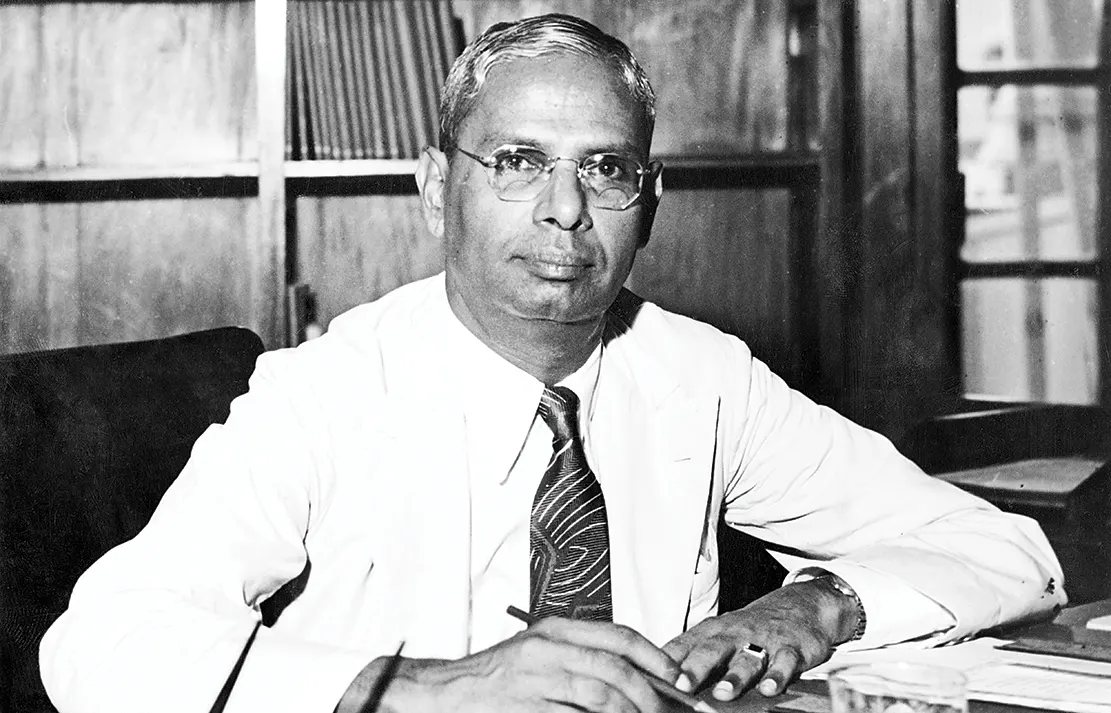
India's first Budget is drafted
Independent India's first finance minister RK Shanmukham Chetty tables the first Union budget in Parliament on November 26, 1947. He reportedly begins his speech with: "I rise to present the first Budget of a free and independent India. This occasion may well be considered as a historical one, and I count it as a rare privilege that it has fallen to me..."
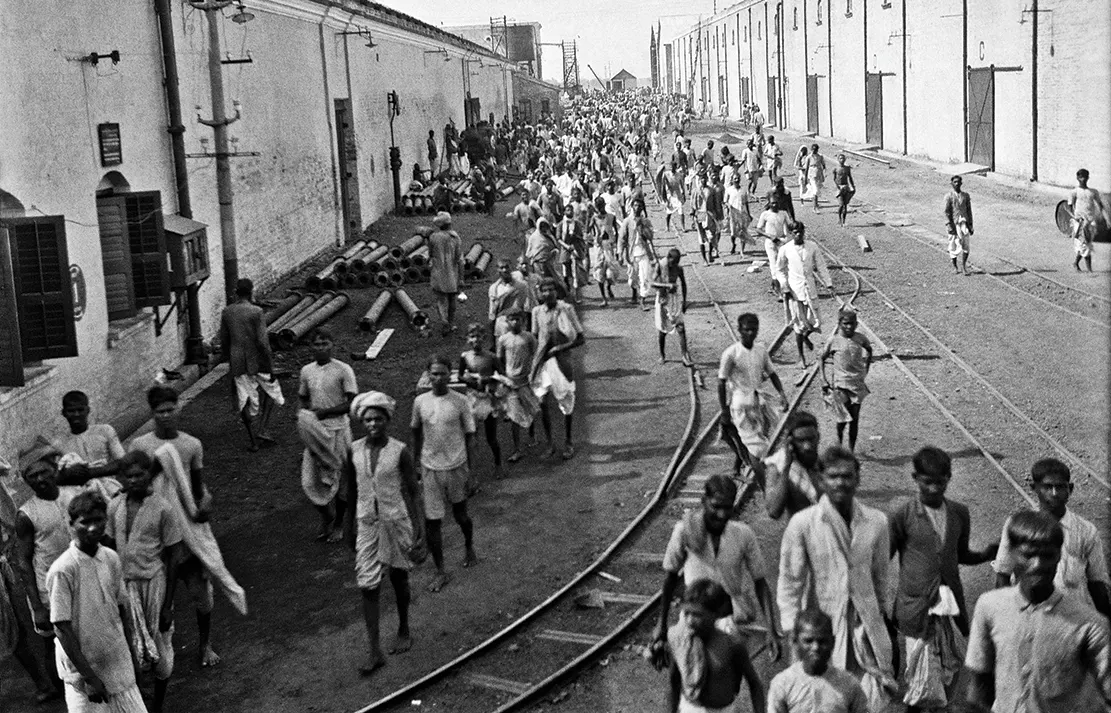
Industrial Policy is framed
The Jawaharlal Nehru-led government declares the Industrial Policy 1948 on April 6, paving the way for a mixed economy. Industries are classified into: Public sector, public-cum private, controlled private sector, and private and cooperative sector. Foreign capital is encouraged as long as Indians have control. Eight years later, the policy is revisited to factor in fundamental rights guaranteed in the Constitution.
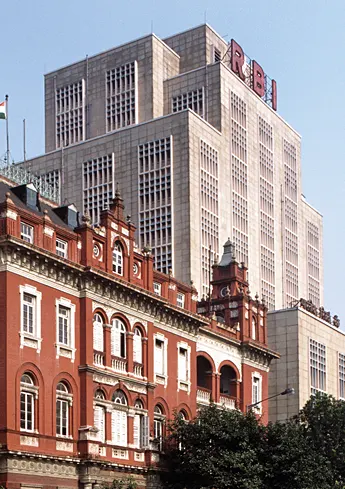
The RBI is nationalised
The Reserve Bank is nationalised with effect from January 1. All shares are deemed transferred to the central government for a suitable compensation. In March of the previous year, RBI governor Chintaman Deshmukh had commented that the move was premature in India's development cycle, although he did say the bank would cooperate with the government whenever the decision was taken.
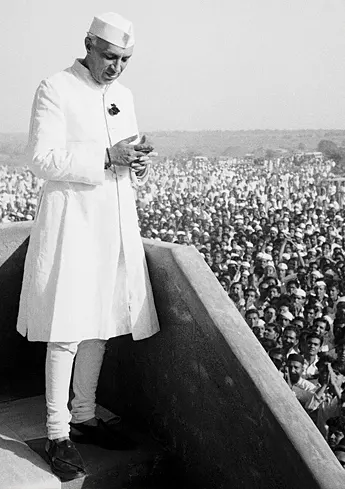
Planning Commission is set up
The objective is to efficiently exploit resources, increase production and create jobs. Nehru is the first chairman of the Commission, which launches the first Five Year Plan in 1951. The country has 12 five-year plans before the Modi-led NDA government replaces the Commission with the Niti Aayog as the country's apex public policy think tank in 2015.
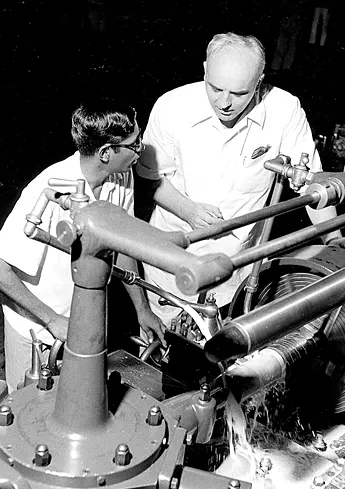
India's first IIT is inaugurated
The first Indian Institute of Technology took shape in May 1950 in Hijli, Kharagpur; it is formally inaugurated on August 18, 1951 by Abul Kalam Azad, India's first minister of education. IIT Kharagpur is born in the Hijli Detention Camp (now Shaheed Bhawan), a rare instance of an institution that originated in a prison house.
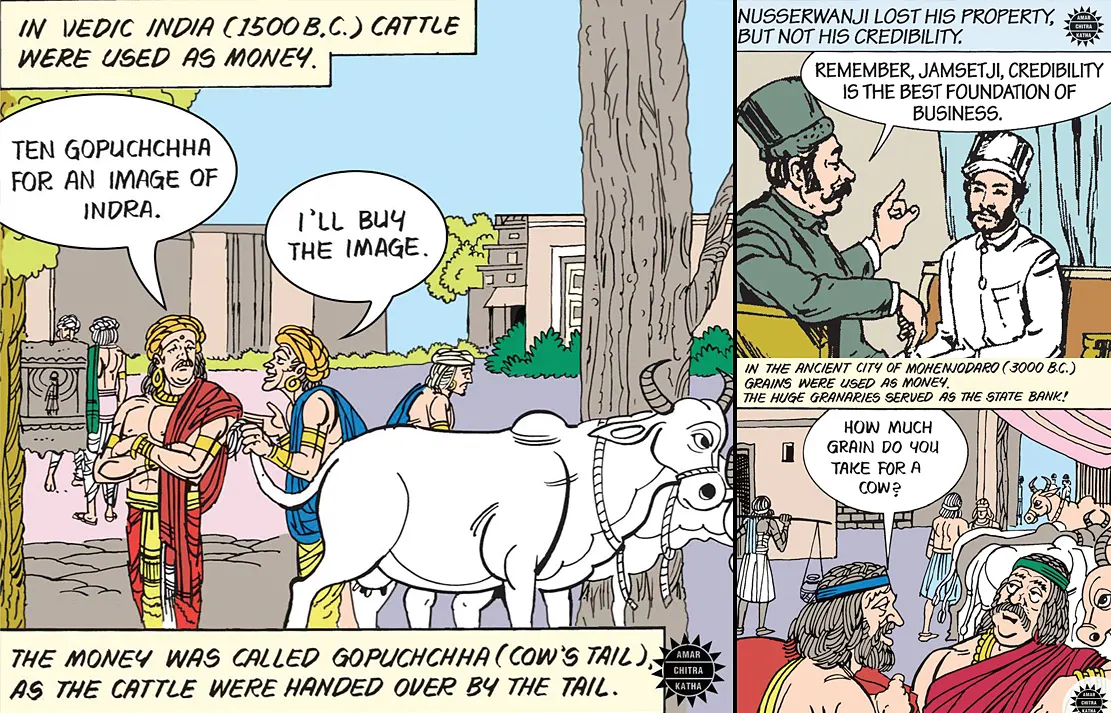
India Book House (IBH) is Founded
Besides publishing paperback editions of Enid Blyton and Frederick Forsyth, and comics such as The Adventures of Tintin and Asterix, IBH is best known for the Amar Chitra Katha comics that retell stories from Indian epics and mythology. In 2007, ACK Media acquired the comic brand, along with Tinkle. IBH is today one of India's largest book wholesalers.
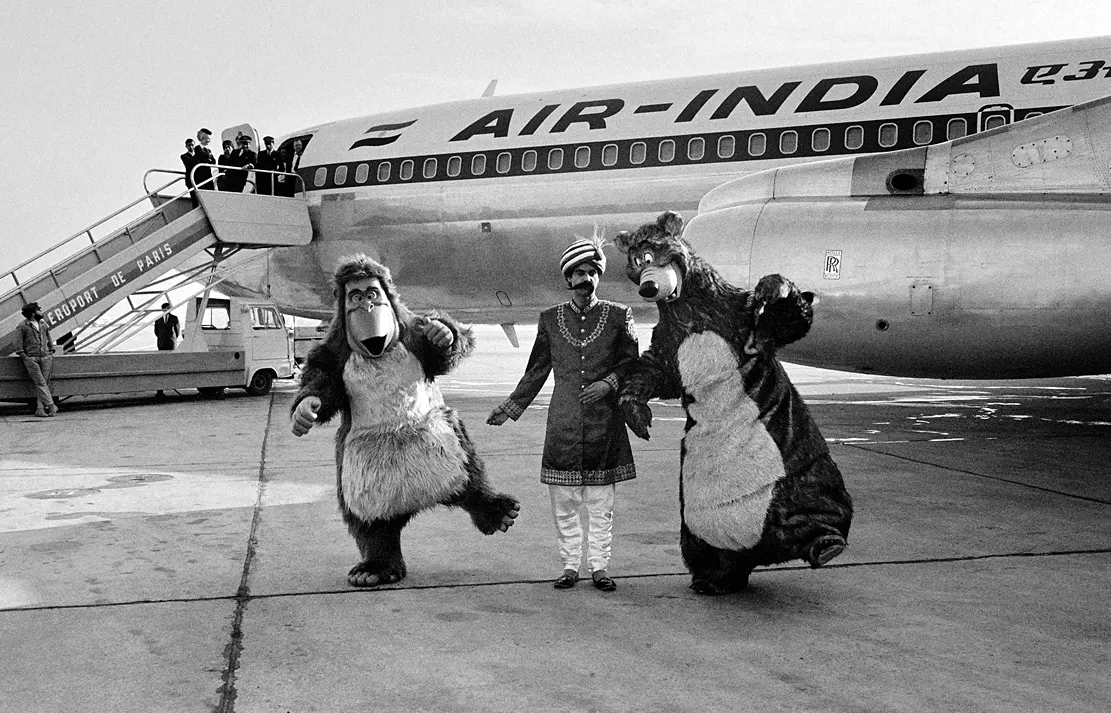
Air India is nationalised
The airline founded in 1932 by JRD Tata, the first Indian to receive a commercial pilot's licence, had launched with an airmail service from Bombay to Karachi via Ahmedabad. The pioneer is disappointed with the government's decision to nationalise the airline, in line with its decision to nationalise all modes of transport. Sixty-nine years later, Air India re-enters the Tata fold.
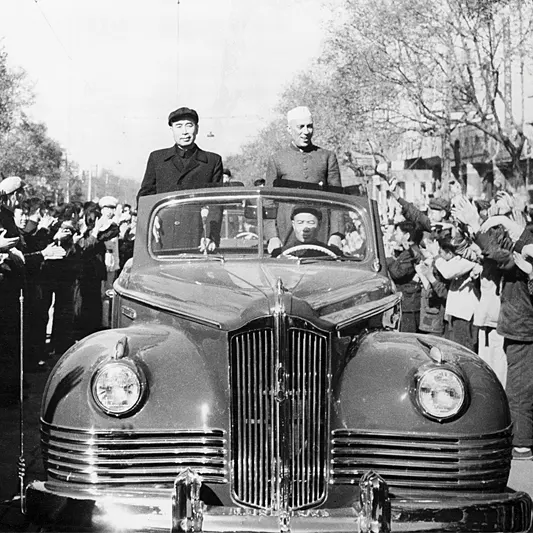
Nehru visits China for the first time
As the New York Times points out, Nehru's meeting with chairman Mao Zedong is the first visit by a non-communist head of state since the People's Republic of China. Nehru holds talks with China's first premier Zhou Enlai; he calls it "the most important foreign mission of his life" but, eight years later, the two countries will be at war.
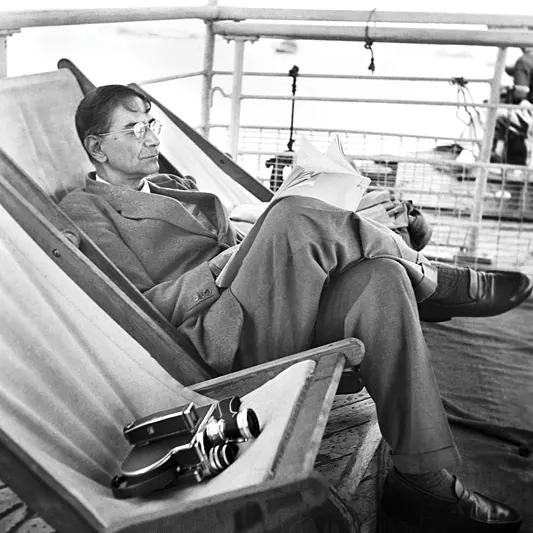
India implements the Mahalanobis Plan
Professor Prasanta Chandra Mahalanobis, who founded the Indian Statistical Institute back in 1931, is chief advisor to the Planning Commission. The second Five Year Plan, which is the Mahalanobis Plan, prioritises building a domestic consumption goods sector via capacity creation in capital goods. Meanwhile, the State Bank of India is created, replacing the Imperial Bank of India, British India's central bank.
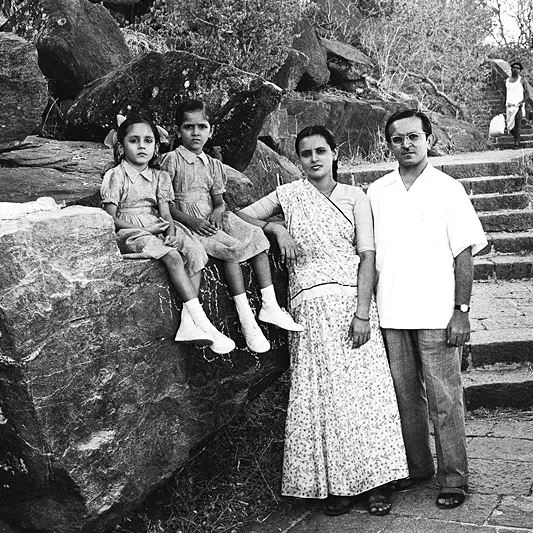
LIC established
Life Insurance Corporation of India is established under the LIC Act, 1956, which nationalised the insurance sector in India. The central government merged 245 Indian and foreign insurers and provident societies to form the behemoth and contributed a capital of ₹5 crore on incorporation of the company. One of the reasons for the nationalisation of the insurance business was to give control of 17 crucial sectors of the economy, including life insurance, to the state.
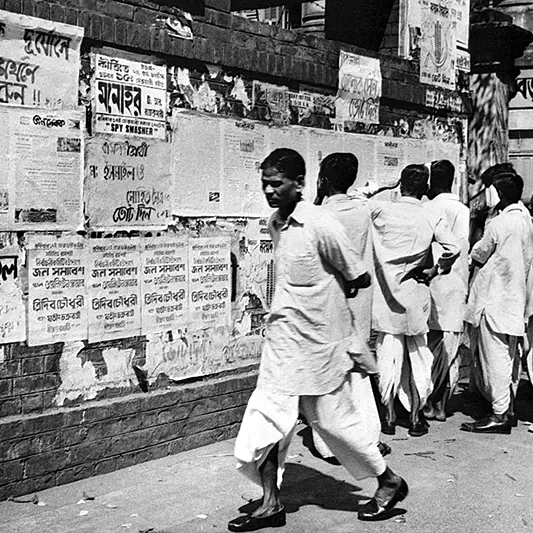
Mundhra scandal, India's first financial scam
Feroze Gandhi, son-in-law of Jawaharlal Nehru, initiates a debate in the Lok Sabha on the Mundhra scandal in December 1957. Gandhi had found evidence that under governmental pressure, LIC had bought shares worth ₹1.24 crore, a large investment by the newly-formed public sector entity, in six companies owned by a Kolkata-based businessman Haridas Mundhra, without required consultation with its investment committee. Nehru set up a judicial inquiry and it led to the resignation of the then finance minister TT Krishnamachari in February 1958.
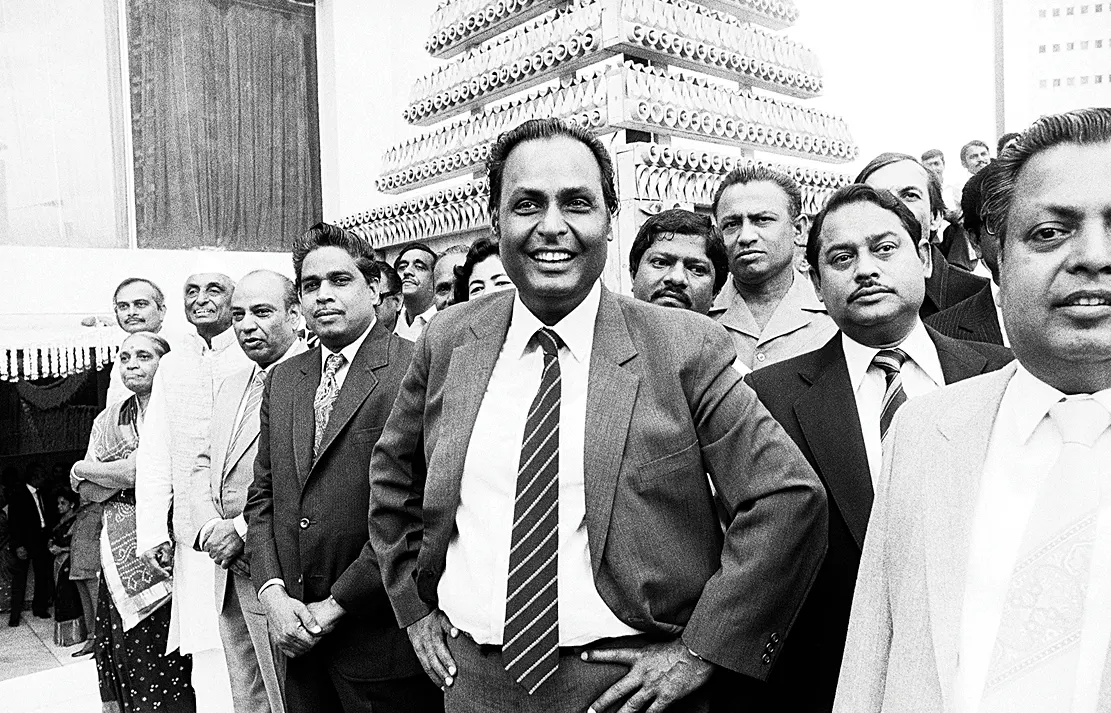
Reliance Is Born
Dhirubhai Ambani starts a yarn trading business-Reliance Commercial Corporation-from a 500 sq ft office in Masjid Bunder in Mumbai in 1958 with a dream to establish India's largest company. In 1966, Reliance Textile Industries is incorporated, the company takes the IPO route in 1977, and it is renamed Reliance Industries in 1985. The rest, as they say, is history. In 2000, Reliance also commissioned the world's largest grassroots refinery-the Jamnagar petrochemicals and integrated refinery complex-in a record 36 months.
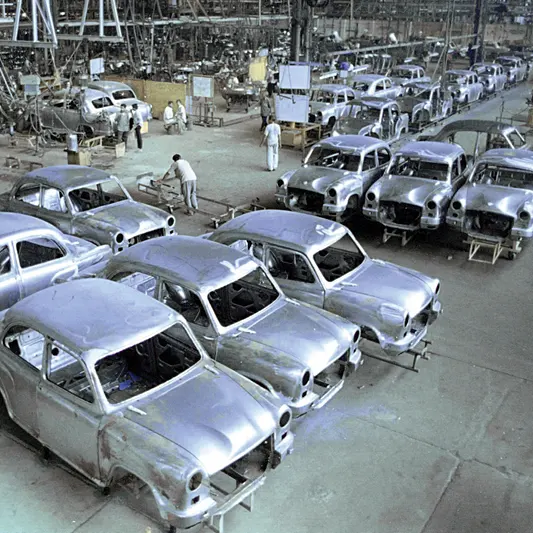
Ambassador rolls out
Hindustan Motors introduces the first Ambassador. In 1957, the BM Birla-owned company had entered into an agreement with British Motor Corporation to manufacture the 1956 Morris Oxford series III in India. The car-the first in India to have a diesel engine-was manufactured at the company's Uttarpara plant in West Bengal. It remained in production for 56 years, going up in price from ₹14,000 in 1958 to a little over ₹5 lakh in 2014.
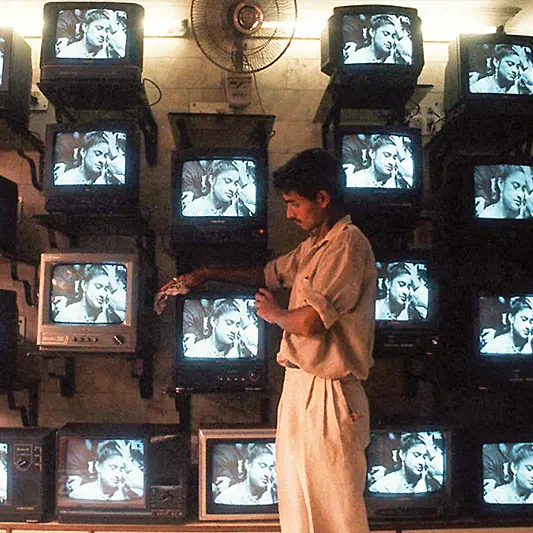
Doordarshan launched
With a small 5KW transmitter and an improvised studio, the government of India launches Doordarshan, India's public service broadcaster, in Delhi. It all began with the help of Unesco and 180 Philips TV sets, while All India Radio provided the engineering and programme professionals. The coverage area was 40 km around the national capital and community television sets were set up in Delhi's rural areas and schools around Delhi. The shows, aired twice a week for an hour each, covered community health, citizens' responsibilities and rights, and traffic and road safety.
-wikipedia.webp "RBI issues Gulf Rupee")
RBI Issues Gulf Rupee
President Rajendra Prasad gives his assent for the Reserve Bank of India (Amendment) Act 1959, allowing RBI to issue the Gulf Rupee-special notes with the same value as the Indian rupee but intended for circulation only in the Gulf region. Until 1959, the Indian rupee was legal currency in the Gulf, and smugglers had a field day purchasing gold from the Gulf leading to a crisis in 1957-58 with, according to a New York Times report, India having to pay the “equivalent of $92.4 million in sterling for rupees presented through traders and banks in the Persian Gulf in 1957 alone”.
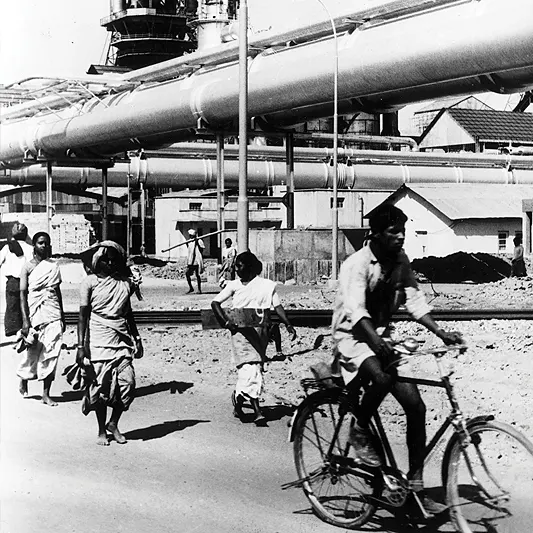
Rourkela Steel Plant inaugurated
The first ever integrated steel plant under the public sector, the Rourkela Steel Plant (RSP) becomes operational after President Rajendra Prasad inaugurates RSP's first blast furnace named Parvati. The plant was set up in collaboration with several German firms and had an installed capacity of 1 million tonnes in the 1960s. RSP subsequently became a unit of the Steel Authority of India (SAIL).
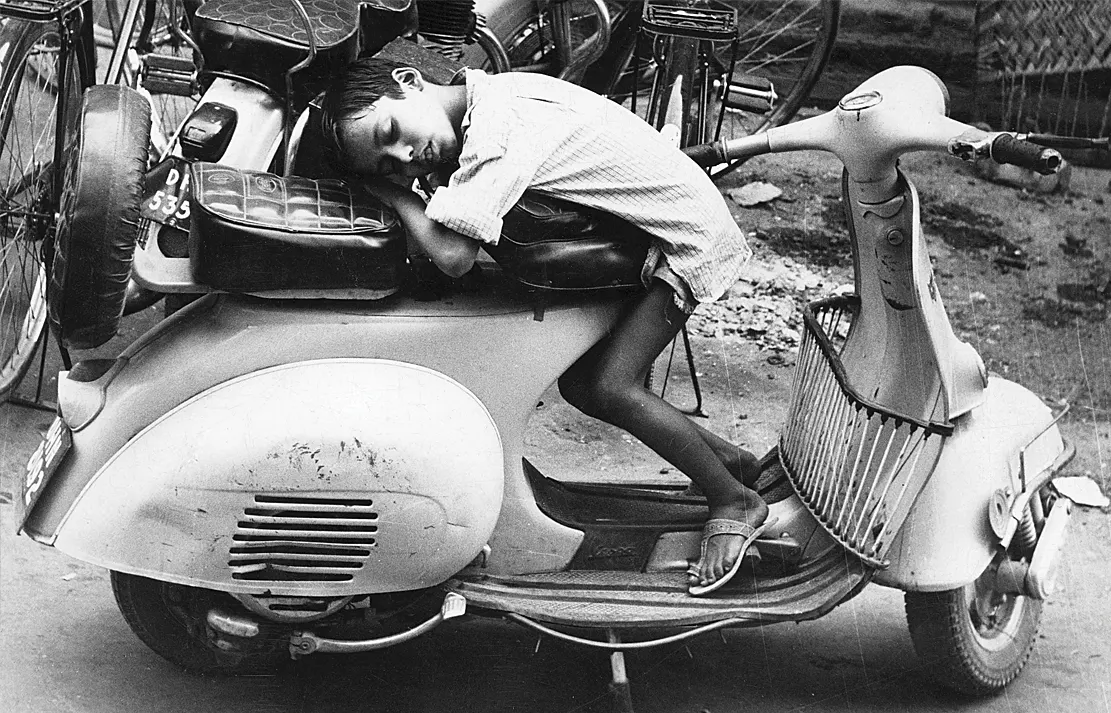
Bajaj Auto becomes public limited company
Bajaj Auto, established in 1945, becomes a public limited company. It initially imported and sold two- and three-wheelers in India and, in 1959, obtained a licence to manufacture two- and three-wheelers. It was also the year it got a licence from Piaggio to manufacture Vespa scooters and launched the Vespa 150, which became an instant hit.
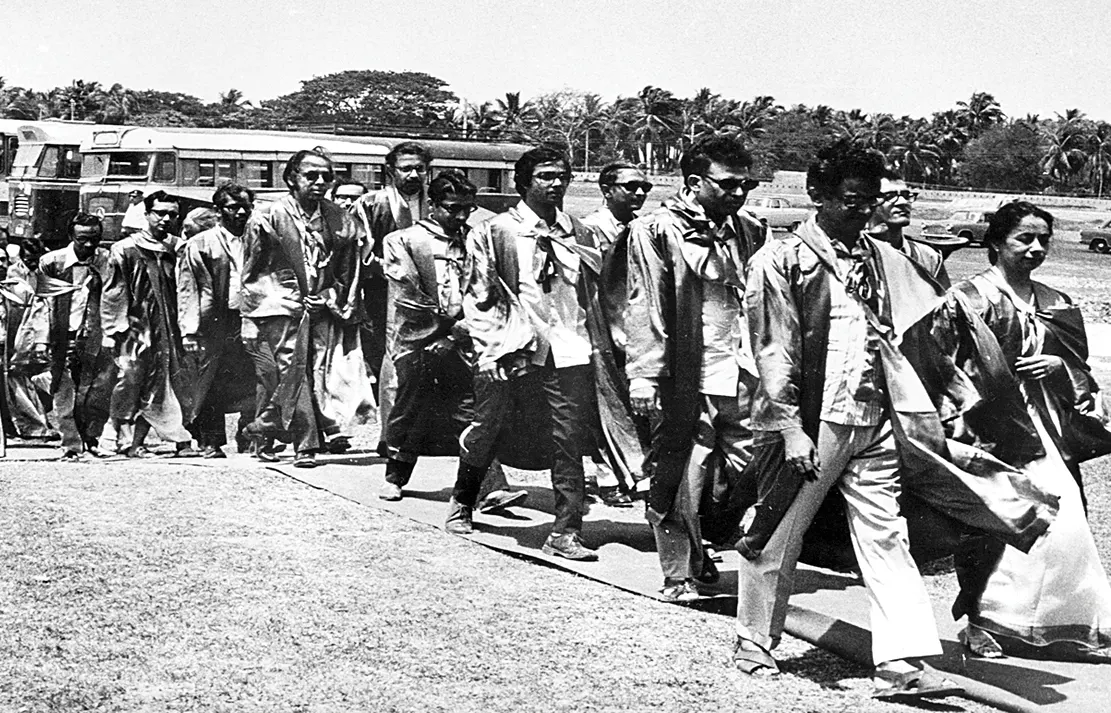
IIM is born
IIM Calcutta is established in collaboration with the MIT Sloan School of Management, the government of West Bengal, the Ford Foundation, and the Indian industry. The management institute is to be counted among the top MBA colleges in India and is the alma mater of some of the most prominent and influential CEOs in the country.
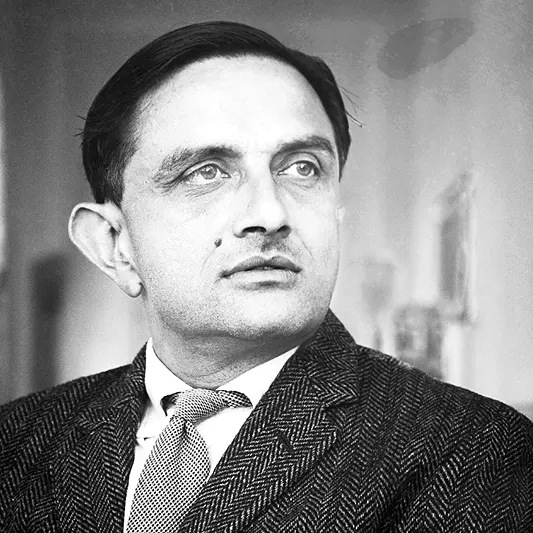
Reaching for the stars
India takes steps to explore space and joins ranks with countries like Russia and the US. Vikram Sarabhai of Physical Research Laboratory leads the newly-formed Indian National Committee for Space Research to formulate and plan India's space programme in the coming decades.
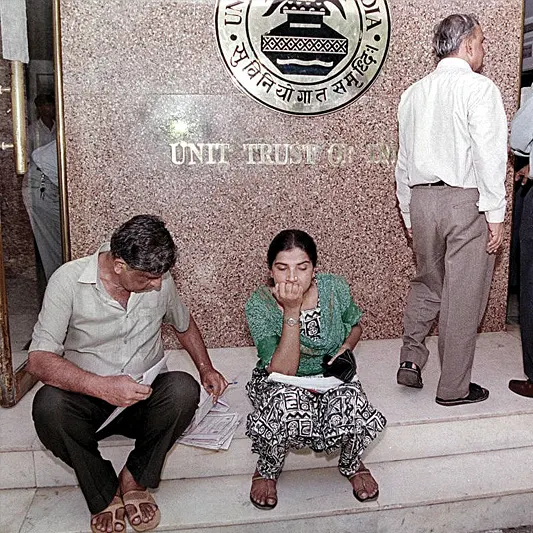
MFs open for business
The Unit Trust of India is set up by the Reserve Bank of India through an Act of Parliament, opening up the mutual fund industry to commence operations in India. The UTI falls under the regulatory and administrative control of the central bank for the next 15 years.
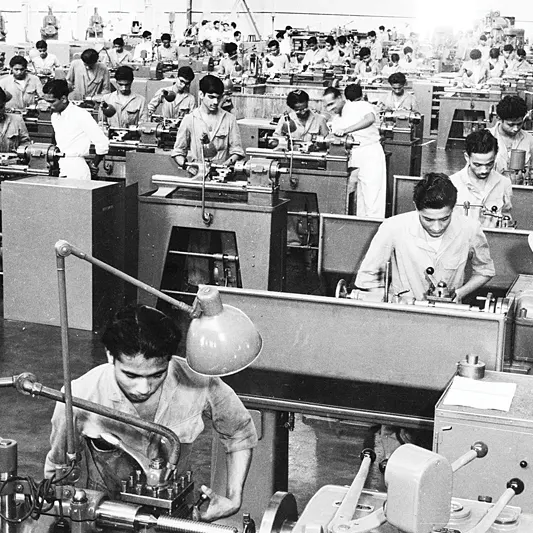
Government forms IDBI Bank
The Industrial Development Bank of India is set up as a development financial institution to finance industrial projects across sectors and states for inclusive growth and evolution of a vibrant capital market.
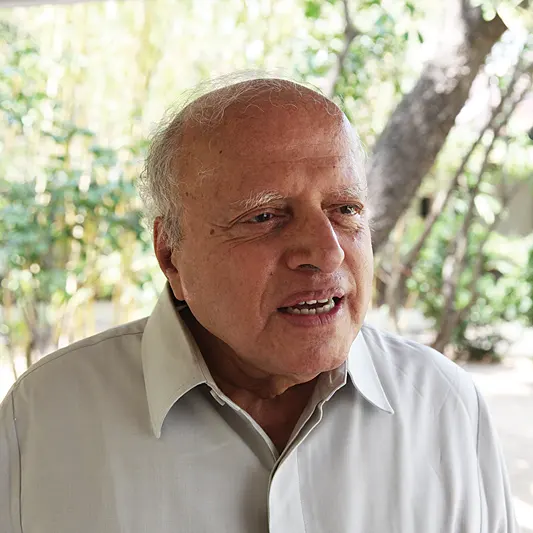
Seeds of a revolution
MS Swaminathan rescues his countrymen from the clutches of a mass famine by developing high-yielding varieties of wheat seeds. This marks the beginning of the Green Revolution in India which helps the nation strengthen its objective of food security to feed a growing population.
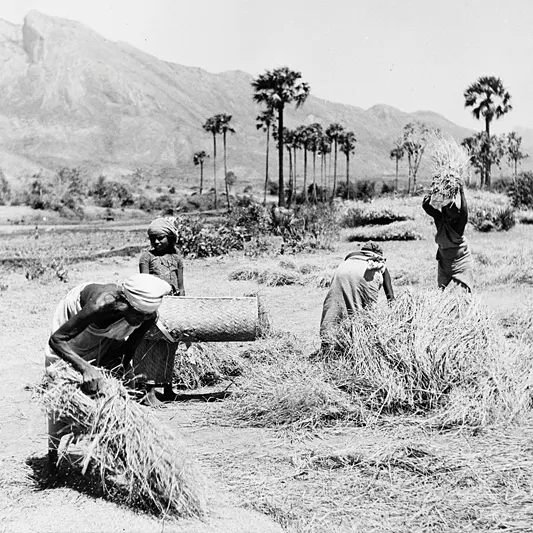
Food Corporation of India set up
The Food Corporation of India is formed under the Food Corporations Act 1964 to support poor farmers, effectively distribute food grains in all parts of the country, maintain adequate buffer stocks for National Food Security, and to regulate market prices of food grains to ensure no one sleeps hungry.
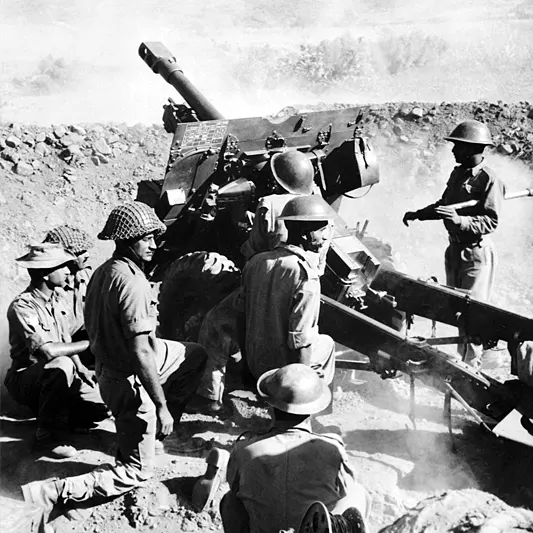
India devalues the rupee
Till now, India has been holding the rupee quite constant at 4.76 to the US dollar. But on June 6, the government decides to devalue the rupee to ₹7.5-down by 57 percent-due to severe inflation and increased deficit spending from the recent wars with China and Pakistan and drought situations in 1965-66. It makes the then Prime Minister Indira Gandhi publicly unpopular, but, from a macroeconomic perspective, there is little debate on this decision.
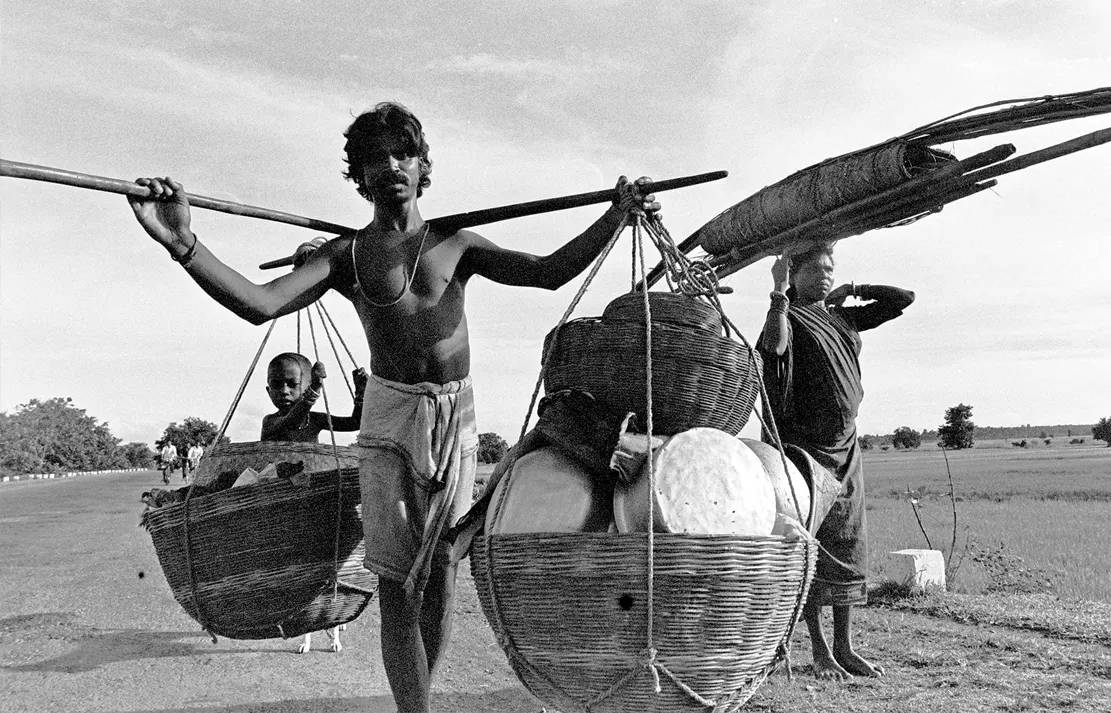
The birth of an armed Marxist movement
Spurred by famine, indebtedness and feudal exploitation of the farming community, the armed peasant movement (led by tribals and select Communist leaders from West Bengal) takes shape. It spreads to the states of Andhra Pradesh, Maharashtra, Orissa and Madhya Pradesh, as the conditions of illiterate, unemployed and impoverished peasants and their exploitation by money lenders become apparent. The guerrillas operate among the peasants groups, fighting the local state government security forces and private paramilitary groups funded by wealthy landowners.
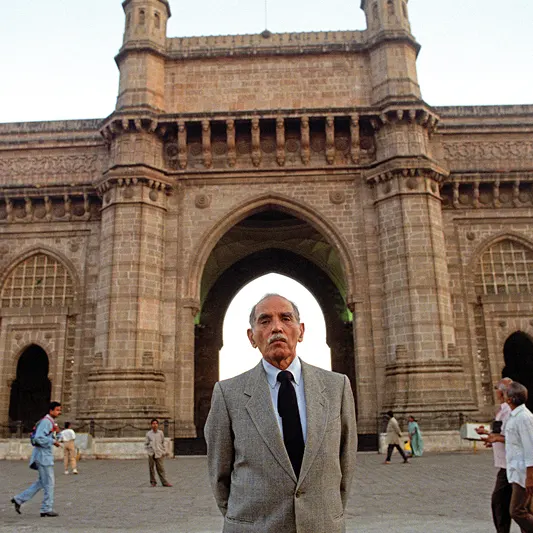
TCS is founded
Tata Consultancy Services is created and is launched as a division of Tata Sons on April 1, 1968. It is a management and technology consultancy firm that will create demand for downstream computer services. Technocrat FC Kohli is brought in from the Tata Electric Companies as a general manager to run this startup. Over the next 10 years, TCS goes on to partner with US business equipment maker Burroughs to export India's IT services. Today, TCS is India's largest IT services firm by revenue, with a consolidated revenue of ₹52,758 crore for the FY23 June-ended quarter.
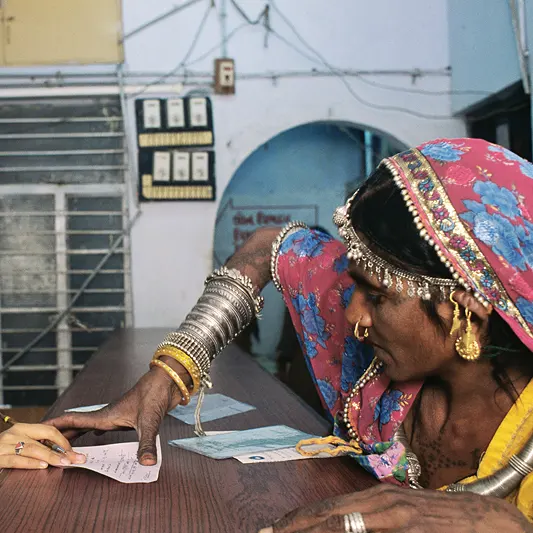
Nationalisation of banks
On July 19, 1969, the then Prime Minister Indira Gandhi announces nationalisation of 14 large commercial banks, which then controlled 85 percent of bank deposits. This move, which includes banks such as Bank of Baroda and Bank of India-and which is followed by another round of nationalisation in 1980-is an effort to take banking services to rural India. Till now most of India's private and foreign banks are largely concentrated in providing services in the main cities. The move for financial inclusion, through various banking and technological solution continues.
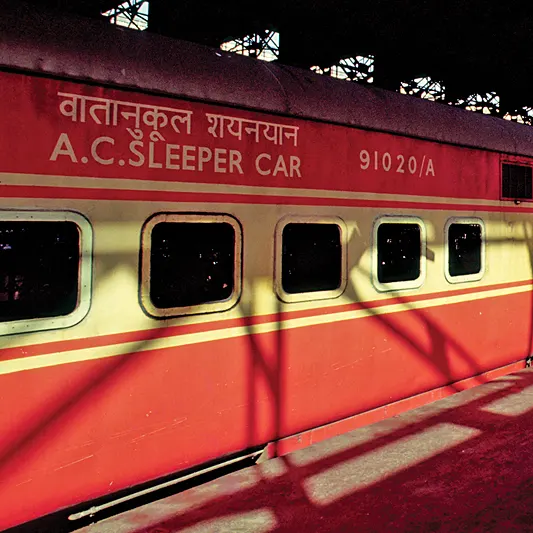
Rajdhani Express flagged off
Train services in the 1960s have been largely functional, with no frills. So there is excitement and caution when, in 1969, Indian Railways flags off the Rajdhani Express from New Delhi to Howrah-completing the distance in 17 hours at a top speed of 120km/hr. The aim is to introduce the country's fastest train to the public by connecting the capital, New Delhi, with other major cities. This premium service continues to get the highest priority on our rail network and is still one of the country's fastest trains.
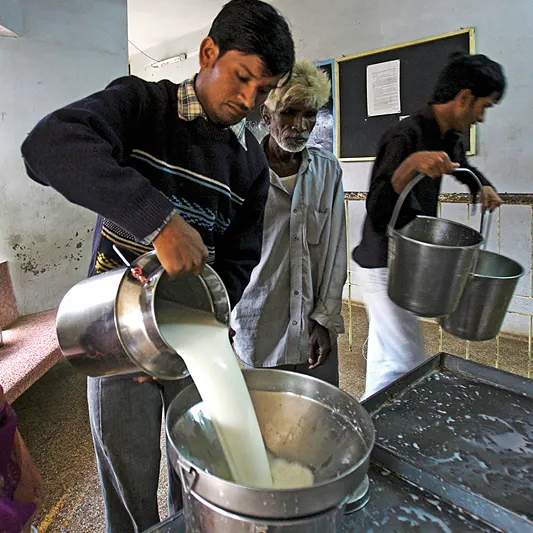
Operation Flood
A landmark project of the National Dairy Development Board (NDDB) headed by social entrepreneur Verghese Kurien, the Operation Flood (White Revolution), is announced. It will go on to make India the world's largest milk exporter by 1998, from being a milk-deficient country. Through this move, India creates a national milk grid, improves organisation of the private sector in the main cities, boosts procurement, production of milk from dairy animals and veterinary health care services and expands production centres -all in phases till 1996.
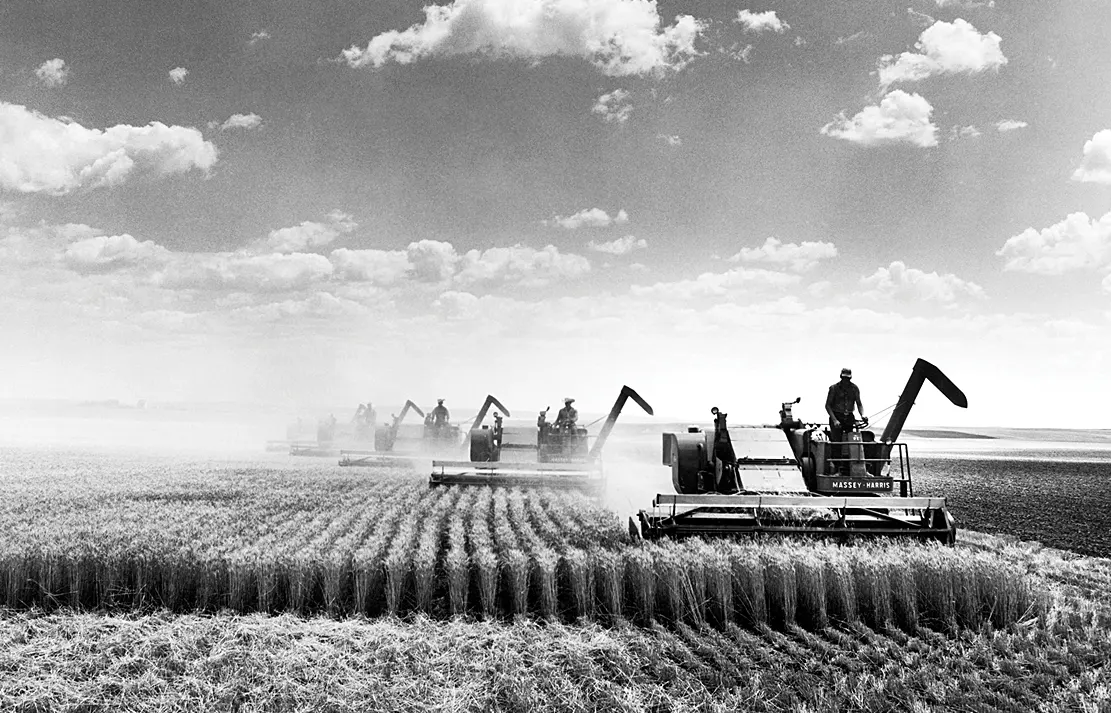
India stops wheat imports from the US
The government decides to stop wheat imports from the United States under their Public Law 480 (PL-480), which had helped India import food grains using the rupee instead of dollars. Although the PL-480 was said to be established by the US for the distribution of foreign food aid, the key objective was to reduce agricultural surpluses of farmers in America who were over-producing commodities and could not find markets for sale.
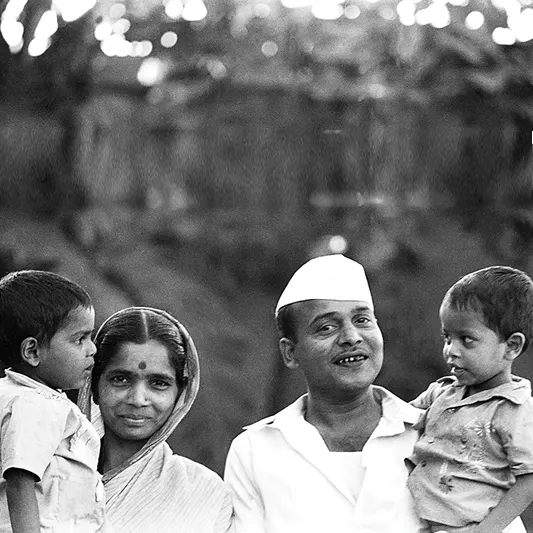
General Insurance Corporation of India is set up
The General Insurance Corporation of India is set up under the General Insurance Business (Nationalisation) Act, 1972. The Act nationalises all private companies undertaking general insurance business in India. The businesses of the companies nationalised under the Act are restructured in four subsidiary companies of the GIC: National Insurance, New India Assurance, Oriental Insurance and United India Insurance.
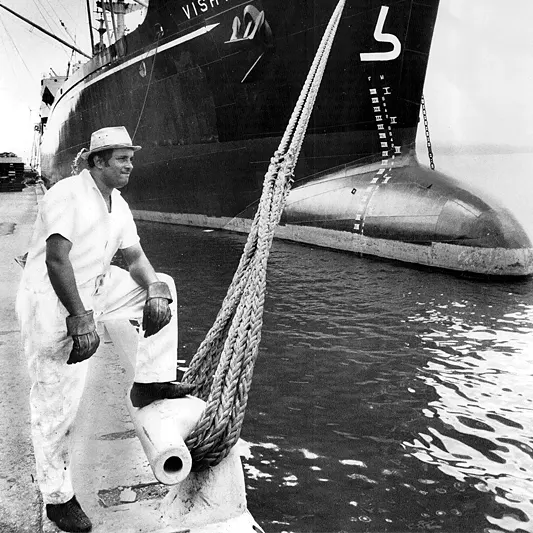
Foreign Exchange is regulated
The Foreign Exchange (Regulation) Act minimises dealings in foreign exchange and securities. The Act regulates transactions impacting foreign exchange, import and export of currency and certain payments. Other objectives include conserving foreign exchange and utilising it efficiently for economic development.
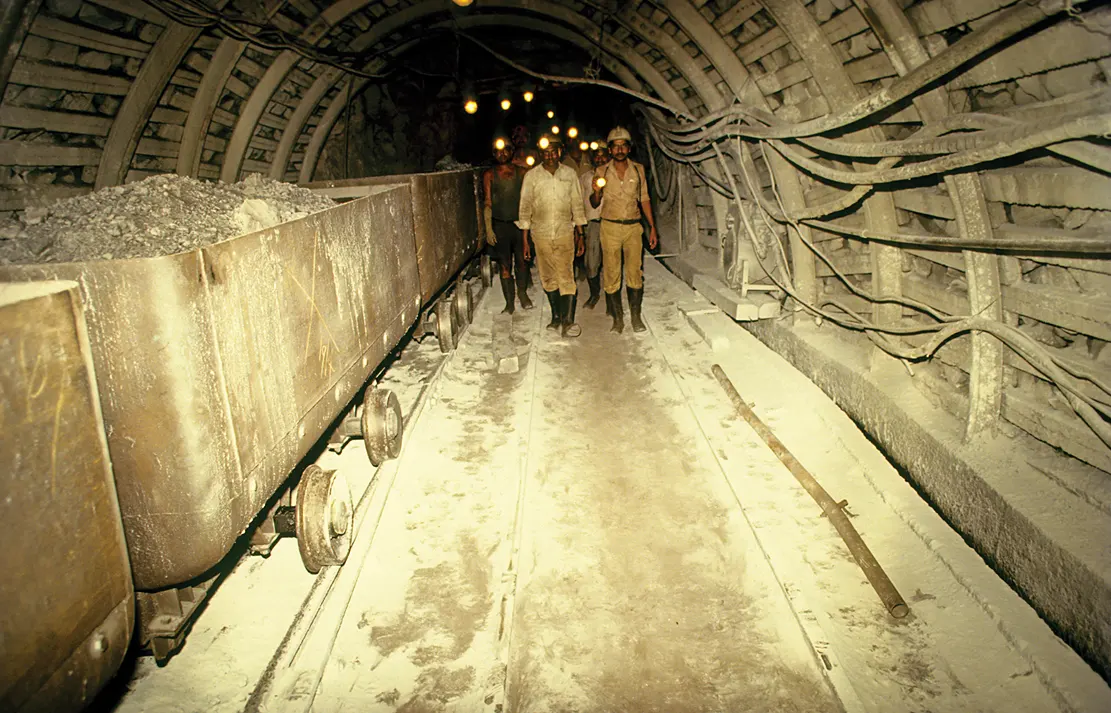
Government nationalises private coal mines
The Indira Gandhi administration nationalises coal mines because it finds that the private sector has not been providing adequate capital investment toward meeting the growing energy needs of the country, apart from concerns around unscientific mining practices and poor working conditions of labour practiced by some private mines. This results in the enactment of the Coal Mines (Nationalisation) Act, 1973, which becomes the central legislation that determines the eligibility of coal mining in India.
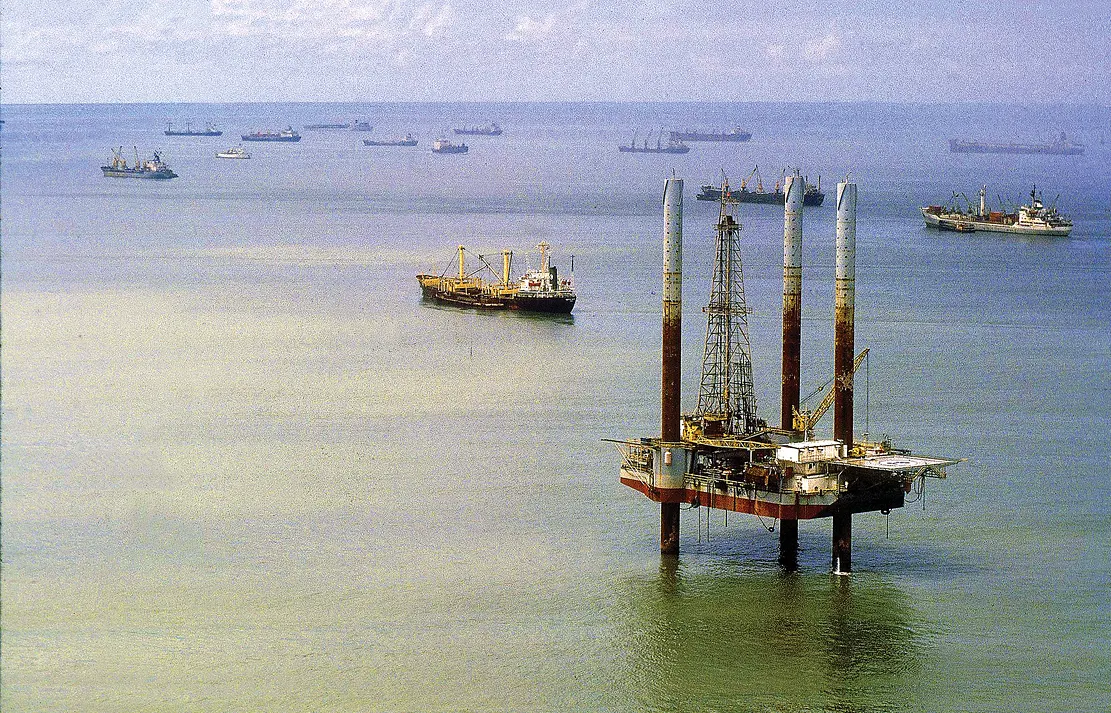
Sagar Samrat strikes oil
Sagar Samrat, the oil drilling platform a little over 170 kilometres off the coast of Mumbai, drills its first well in a year when the world economy is reeling under the effects of an oil crisis. Working under the supervision of the Oil and Natural Gas Corporation (ONGC), Sagar Samrat was made by Japanese firm Mitsubishi in 1973. The primary purpose of the drillship and merchant vessel is preliminary offshore drills for new sources of oil and gas, probing and investigating for scientific purposes.
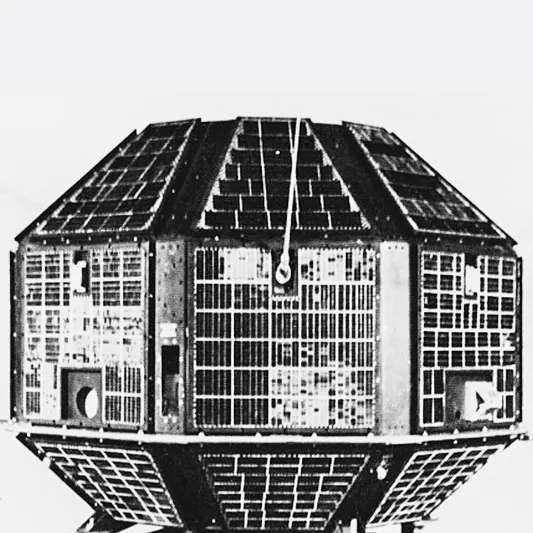
Aryabhata launches into Earth's orbit
India's first unmanned Earth satellite, named after astronomer and mathematician Aryabhata, is launched from the Soviet Union in a Russian-made rocket. Weighing about 360 kg, it is equipped to explore the Earth's ionosphere, perform investigations in X-Ray astronomy, and measure neutrons and gamma rays from the sun.
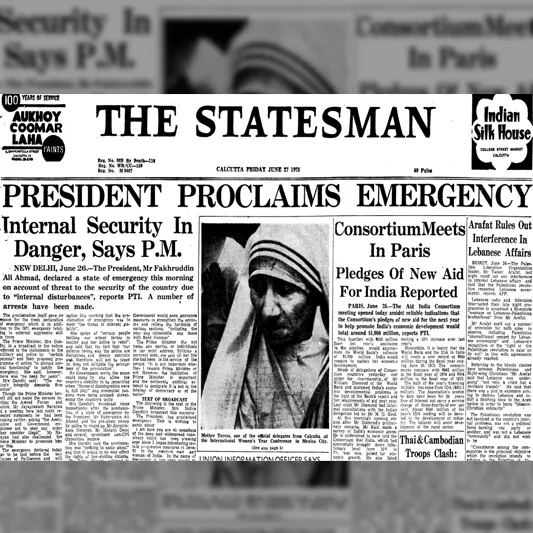
Indira Gandhi declares Emergency
Prime Minister Indira Gandhi persuades President Fakhruddin Ali Ahmed to declare a national emergency-citing threats to internal security due to “internal disturbances”, and in the wake of skyrocketing international oil prices and rising domestic consumer goods inflation. All powers are vested in the hands of the Union government. This results in the suspension of fundamental rights, media censorship, stifling of dissent and crackdown on civil liberties. Gandhi announces her Twenty-Point Program, aimed at reducing inflation and energising the economy.
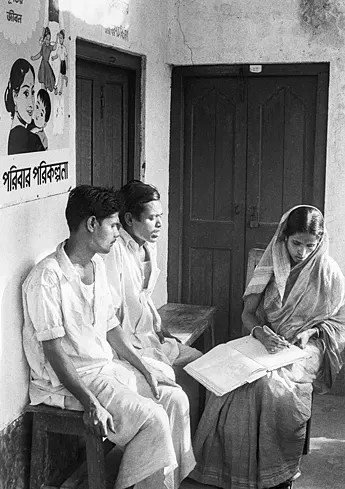
India enforces mass sterilisation
In what's perhaps India's darkest days, millions are forced into sterilisation in an attempt to curtail rapid population growth. With below average rainfall, shortage of food supply, plummeting exports and rising inflation, and an emergency declared by the government, India's political leadership felt that curbing population quickly was the solution, paving way for a mass sterilisation programme.
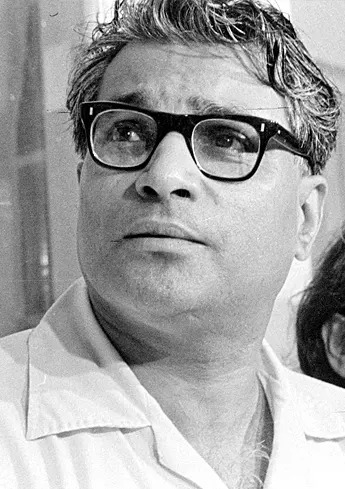
Chaos as trade union leader becomes industry minister
Firebrand socialist leader George Fernandes becomes India's new industry minister and soon turns up the heat on foreign multinationals in the country. In 1974, India had put in place a new Foreign Exchange Regulation Act that required foreign companies to cap foreign shareholdings at 40 percent of equity. Companies such as IBM, Coca-Cola, Kodak and Mobil seek amendments, but Fernandes, who once led the anti-computer agitations in the 1960s, is adamant that rules are to be strictly followed, leading to a mass exodus by foreign multinationals.
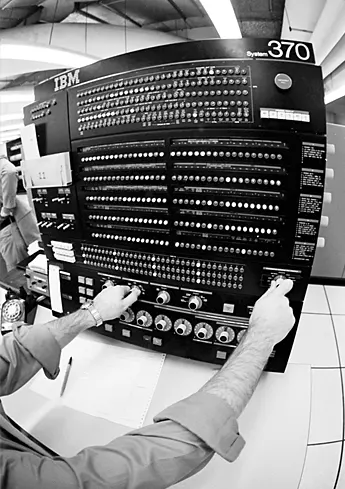
IBM's exit paves way for India's IT boom
A year after Fernandes takes charge, IBM pulls the plug on their Indian operations. Over 800 data processing and computer installations of IBM are taken over by government-owned Computer Maintenance Corp. India also announces a minicomputer policy, and soon, companies such as DCM and HCL begin to make minicomputers, paving way for India's IT revolution. HCL founder Shiv Nadar is one of the pioneers of Indian IT, starting with hardware in 1976 and moving on to software services. Today, the IT sector contributes over 8 percent to India's Gross Domestic Product (GDP).
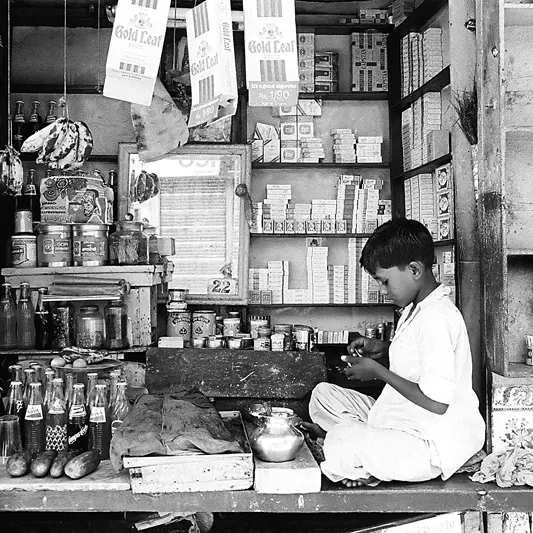
Mandal Commission is set up
The Mandal Commission, officially known as the Socially and Educationally Backward Classes Commission (SEBC), is set up under then Prime Minister Morarji Desai. Parliamentarian BP Mandal is appointed as its chairman. Mandal Commission's chief mandate is to identify the socially or educationally backward classes of India and to consider reservations as a means to address caste inequality and discrimination.
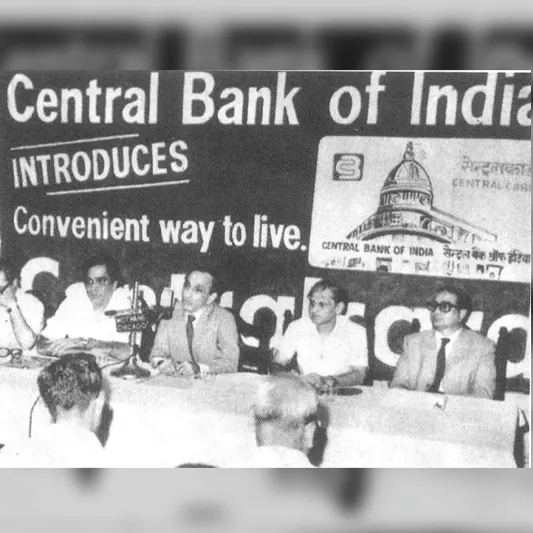
Launch of the first indigenous credit card
The Central Bank of India launches 'CentralCard', introducing credit cards in the Indian economy. The card is given only to those who deposit money in the Central Bank. Before this indigenous card was introduced, Indians would use a 'Diners Club Credit Card' which made its entry in India in the early 60s. In the same year, Andhra Bank also launches a credit card, which, along with the CentralCard, is of the Visa brand.
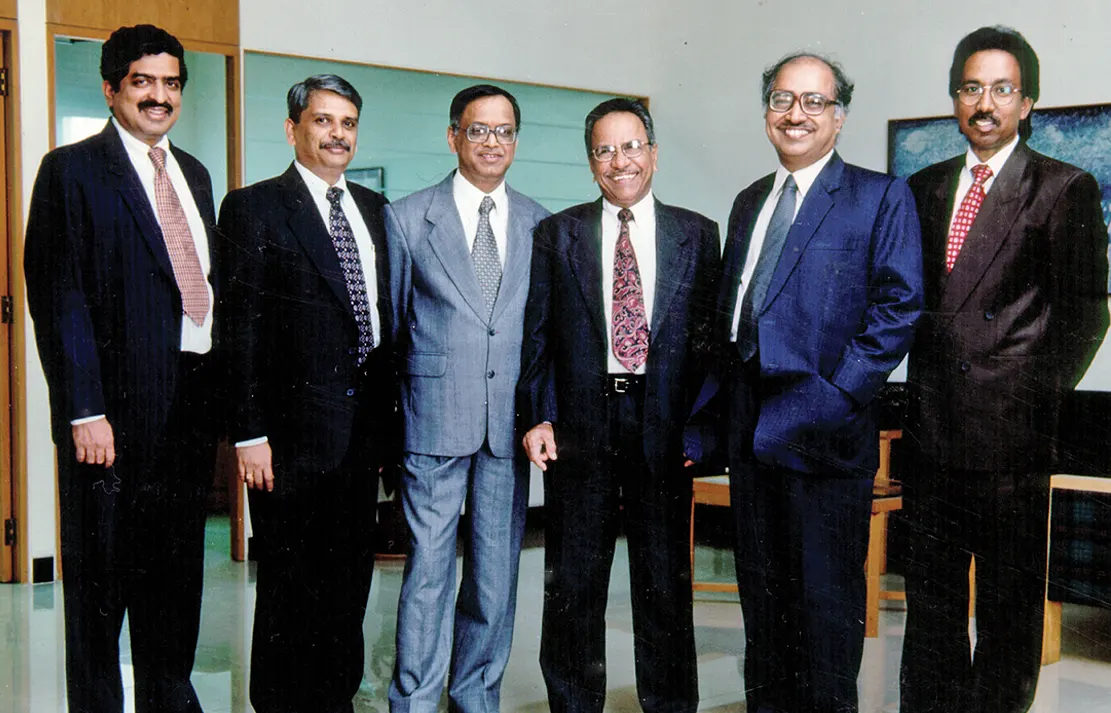
Establishment of Infosys
On July 2, 1981, NR Narayana Murthy (third from left), along with (L-R) Nandan Nilekani, S Gopalakrishnan, K Dinesh, NS Raghavan and SD Shibulal, set up Infosys in Pune. In little over a decade, it becomes a public limited company. What started with $250 in capital has today made Infosys a global IT giant. In the 40 years since inception, Infosys has established a strong position for India on the global IT map, crossing a remarkable milestone of earning ₹100,000 crore in revenue in FY21.
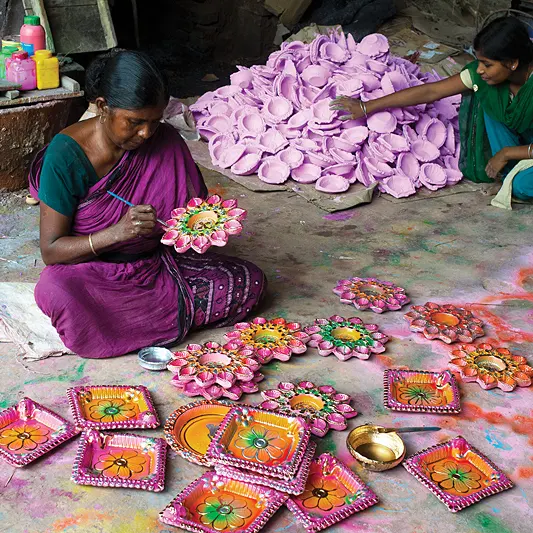
Facilitating finance through NABARD
The National Bank for Agriculture and Rural Development (NABARD) is established. It is built by transferring the agricultural credit functions of the Reserve Bank of India (RBI) and refinance functions of then Agricultural Refinance and Development Corporation. Set up with an initial capital of ₹100 crore, NABARD is now fully-owned by the Government of India, and provides credit and other facilities for the development of agriculture, small-scale industries, cottage and village industries, handicrafts, and other allied economic activities in rural areas.
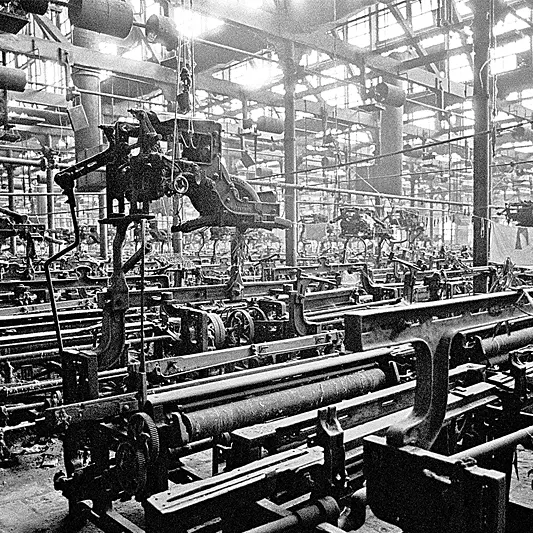
Bombay comes to a standstill
Under leader Datta Samant, popularly known as Doctorsaheb, nearly 250,000 textile mill workers in Bombay go on an indefinite strike until they receive their hike and bonus. Regarded as one of the longest industrial strikes in history, it lasts over a year and has, technically, never been withdrawn. Over the years, with no real solutions in sight, all the textile mills have moved away, leaving many jobless, and bringing an end to the city's famous textile mill industry.
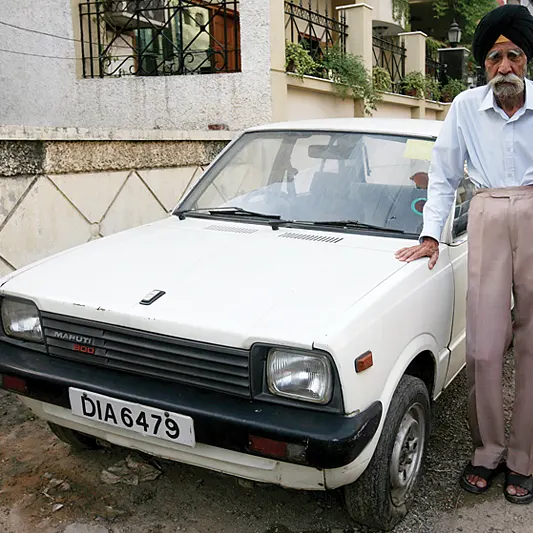
The first 'people's car': Maruti 800
In December 1983, Maruti rolls out the first 'people's car'. The Maruti 800, a 796 cc hatchback, is launched at a price of ₹47,500 so as to pave the way to becoming India's best-selling car in the coming years. Indira Gandhi, then Prime Minister of India, inaugurates the Maruti factory and hands over the keys of the first Maruti 800 to Harpal Singh, the first Indian to own the car. The 800 was an outcome of a joint venture agreement between Maruti Udyog and Japan's Suzuki Motor Corp.
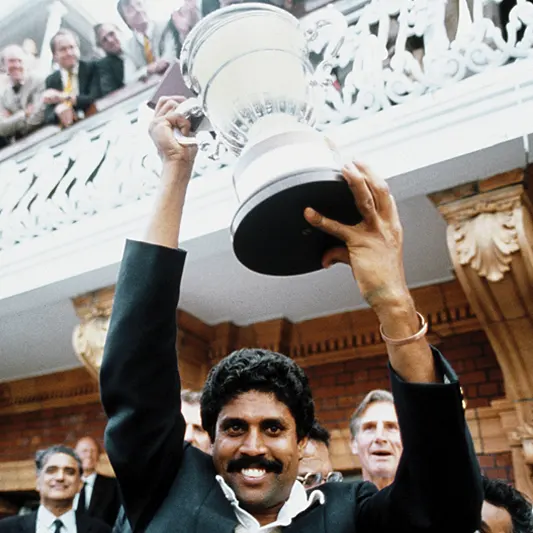
India's first cricket World Cup
The Indian cricket team makes history as it wins its maiden World Cup title after defeating West Indies by 43 runs at Lord's, England, on June 25, 1983. The team clinches the title under Kapil Dev's captaincy. It also marks the first time an Asian nation makes an appearance in a World Cup final. Post the 1983 win, India won the one-day international World Cup only once-in 2011 in Mumbai, defeating Sri Lanka in the finals.
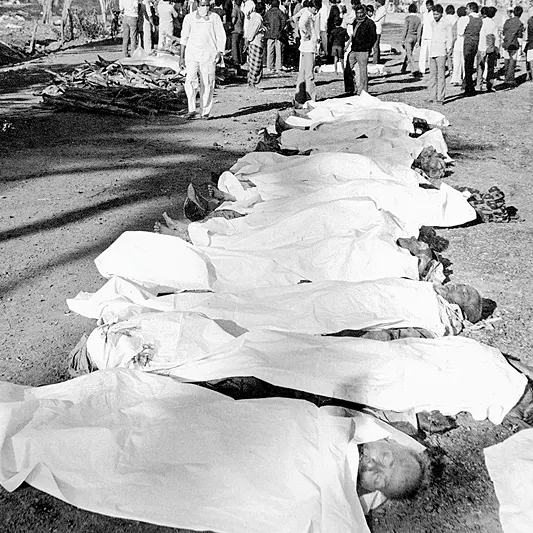
Cloud of smoke at Bhopal
A methyl isocyanate leak from a Union Carbide pesticide plant in Bhopal, Madhya Pradesh, kills more than 2,000 people outright and injures anywhere from 15,000 to 22,000 others (some 6,000 of whom later die from their injuries) in one of the worst industrial disasters in history. Even today, despite continued protests and attempts at litigation, neither the Dow Chemical Company, which acquired the Union Carbide Corporation in 2001, nor the Indian government, has properly cleaned up the site.
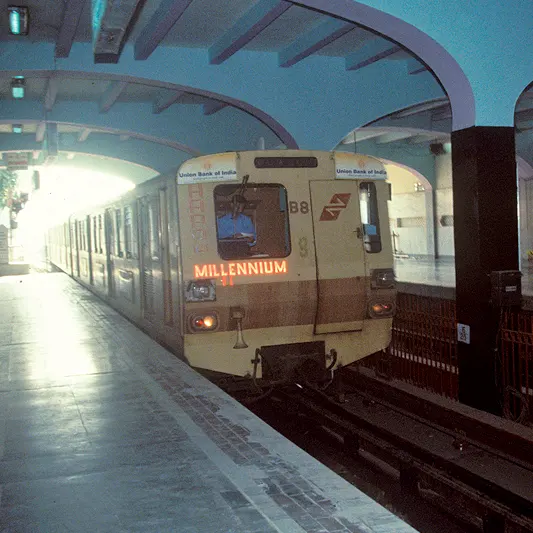
India's first metro rail starts in Kolkata
On October 24, 1984, India's first metro rail begins operations on a 3.4 kilometre stretch between Esplanade and Bhowanipur in Kolkata. Planned as early as in the 1920s, work on the metro only began in 1972. Today, in 2022, the Kolkata Metro Rail Corporation is attempting another feat, the first ever underwater metro. The East-West corridor of Kolkata Metro will be 16.6 kilometres long and span 500 metres under the Hooghly river, which will be 33 metres below the riverbed.
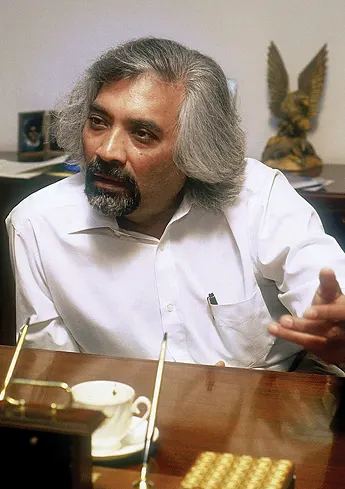
India's telephone revolution
US-returned Sam Pitroda launches the Centre for Development of Telematics (C-DOT). C-DOT focuses on setting up public call offices (PCO) in the country, in addition to laying out a nationwide telecom infrastructure. Soon, Pitroda emerges as the poster boy for single-handedly transforming India's telecom sector. He would later go on to serve as an advisor to Prime Minister Rajiv Gandhi in 1987 on National Technology Missions related to water, literacy, immunisation, oil seeds, telecom, and dairy productions.
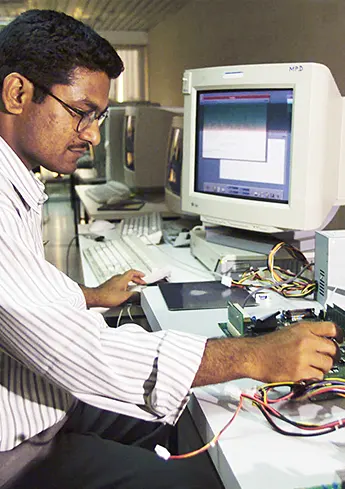
Bullock cart or not, India's IT capital is born
In 1985, Texas Instruments (TI) becomes the first multinational technology firm to set up R&D operations in India, in Bangalore. TI doesn't even care that it has to bring the first satellite dish needed to set up round-the-clock communication link with its US offices on a bullock-driven cart. Many other companies have followed suit, and today, Bangalore is India's IT capital.
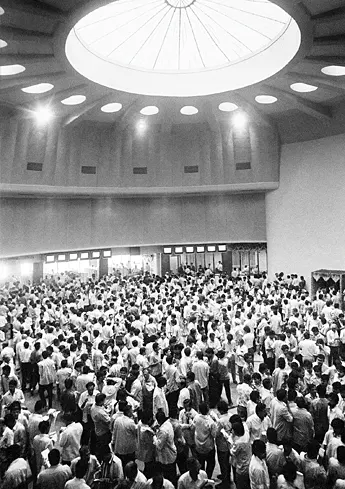
Launch of the Sensex
India's first equity index, the barometer of the country's stock market fortunes, is launched on January 2. A portmanteau of the words sensitive and index, the Sensex would take four years to cross the four-figure mark, but pick up pace with India liberalising its economy in 1991.
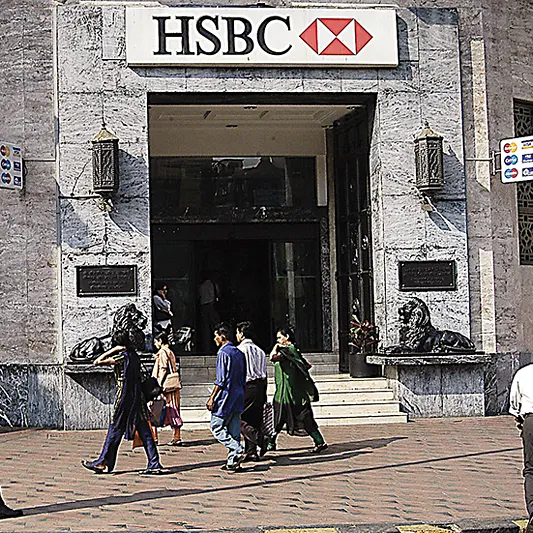
First ATM installed
Financial inclusion takes a leap as HSBC introduces the country's first automated teller machine (ATM) in Bombay. By the end of 2021, the number stands around 2.13 lakh, with 47 percent of those in semi-urban and rural areas.
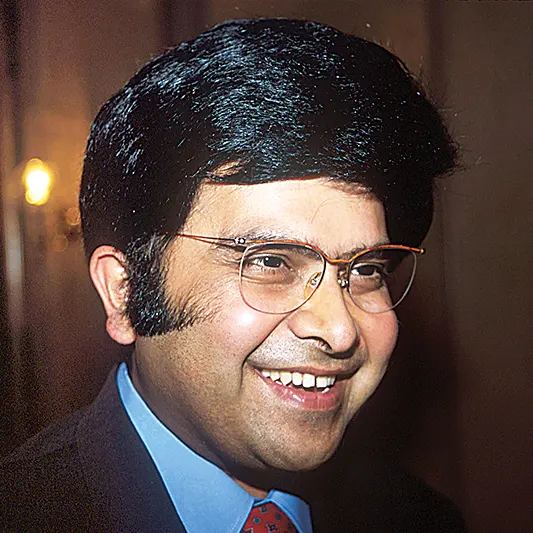
Nasscom kicks off India's software push
Nasscom, a not-for-profit industry association, starts serving as a mediator between India's software industry and the government. Harish Mehta, a founding member in whose office the trade body started, served as the first elected chairman. In 1991, under president Dewang Mehta (in pic), Nasscom would successfully lobby with the government for a tax waiver on software services being exported by Indian companies, creating a turning point for the software industry to explode thereafter.
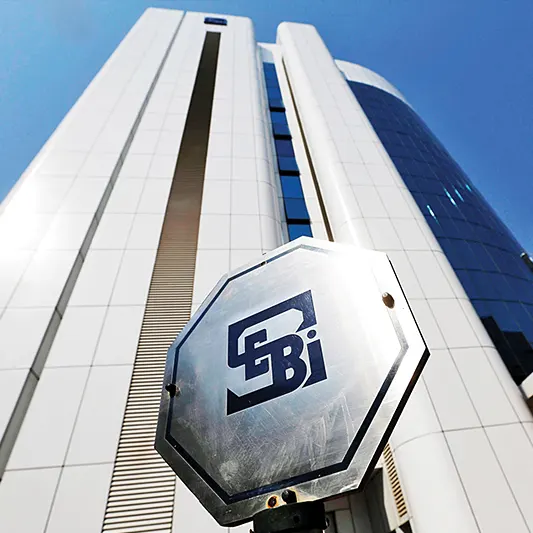
Markets regulator Sebi is set up
The government constitutes the Securities and Exchange Board of India (Sebi) to control capital markets in India and “to protect the rights of the investors in securities”. The board receives statutory powers through an Act in 1992, in a year the ₹5,000 crore Harshad Mehta scam hits the stock markets.
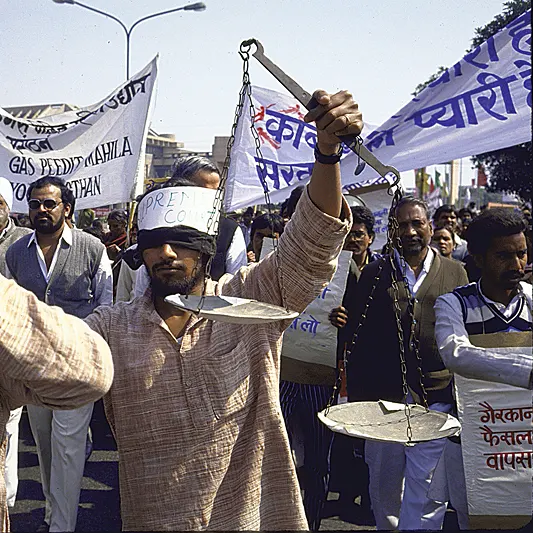
Union Carbide pays up
The Supreme Court (SC) orders Union Carbide to pay $470 million in damages for the toxic gas leak at its plant in Bhopal in 1984 that had till then killed over 3,500 people and affected over 200,000. The SC also dismisses criminal charges and civil suits against the company and its then chairman Warren Anderson.
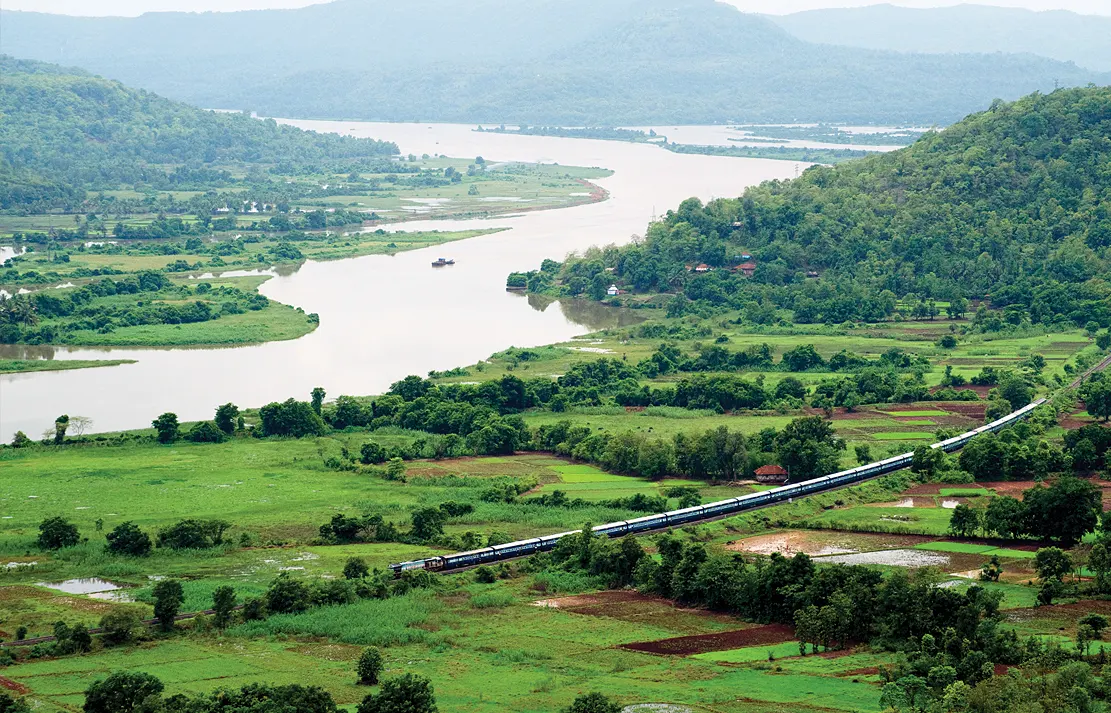
Konkan Railway begins its journey
Pioneered by then railway minister George Fernandes, Konkan Railway is formed to construct a rail link between Mumbai and Mangalore, setting up an engineering challenge for a route that winds through a scenic-yet-difficult terrain. Eight years on, the track is inaugurated by then PM Atal Bihari Vajpayee.
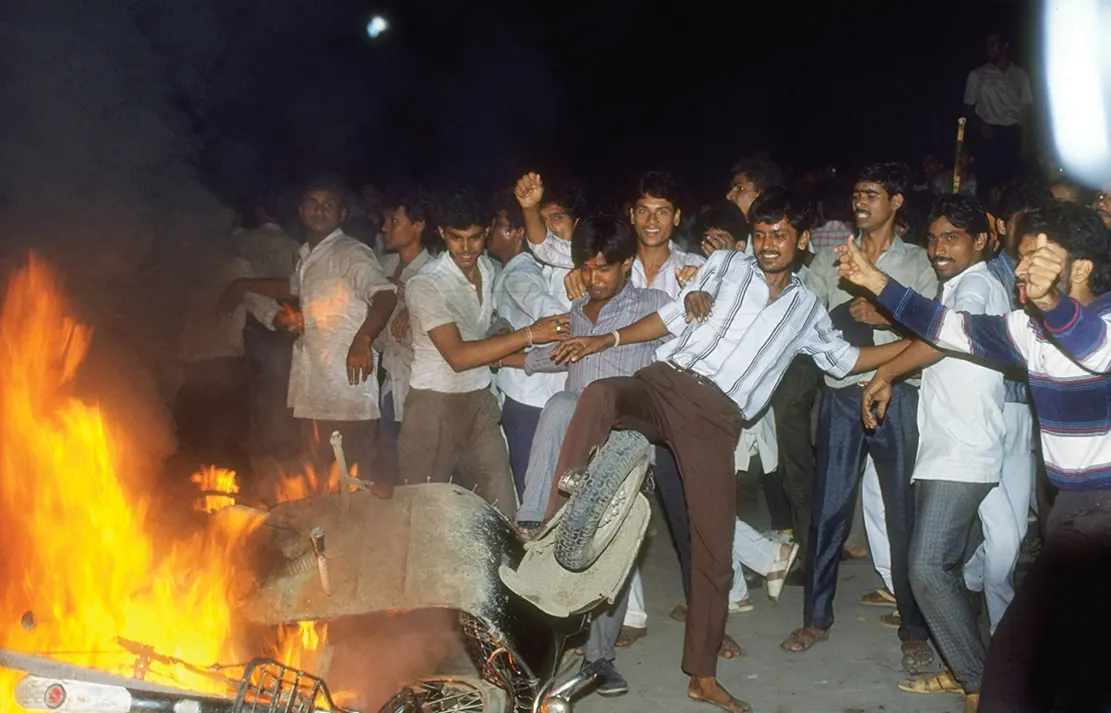
Mandal Commission report triggers protests
PM VP Singh's efforts to implement the recommendations of the Mandal Commission, which had called for a 27 percent quota for Other Backward Classes (OBCs), triggers violent anti-reservation protests. Roads, highways, schools are shut, and a spate of self-immolation attempts by students ensues.
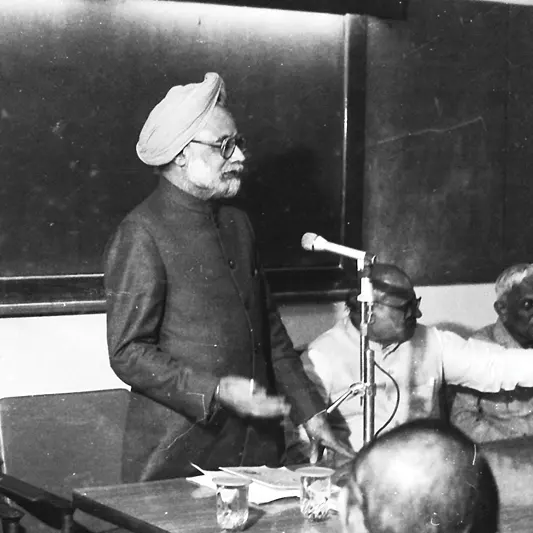
India opens up its economy
Manmohan Singh, finance minister in the PV Narasimha Rao-led government, opens up the Indian economy and rolls out a slew of reforms in his Budget that helps India stave off the impending balance of payment crisis. Singh ends his speech with a quote from Victor Hugo that says: “No power on Earth can stop an idea whose time has come.”
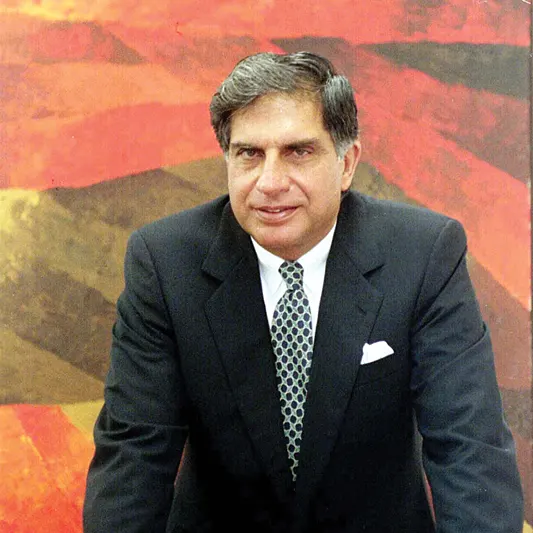
Ratan Tata helms the Tata Group
JRD Tata's nephew Ratan Tata is appointed as the chairman of the Tata Group, and is entrusted with the task of leading the conglomerate into the post-economic liberalisation era. It is a surprise choice that sparks resentment in the upper echelons of the Group, also leading to the ouster of Russi Mody from the top job at Tata Steel in 1993.
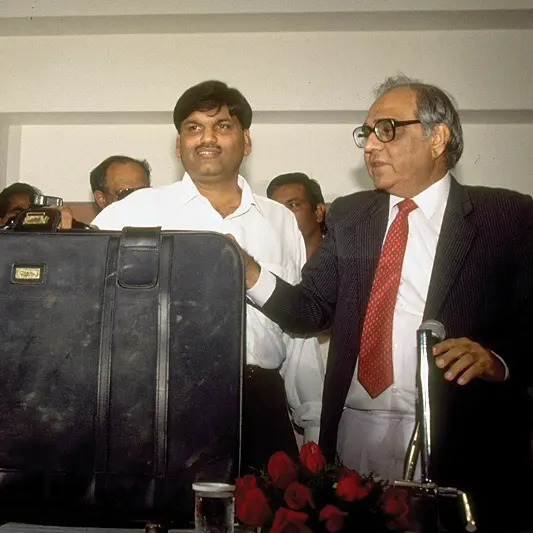
Harshad Mehta scam unravels
Harshad Mehta emerges as the Big Bull on Dalal Street, only to be outed as the scamster behind India's biggest stock market hustle estimated at the time to be as much as ₹4,000 crore. It spawns a best-selling book and the formation of the National Stock Exchange (NSE), which is facing its own governance issues today.
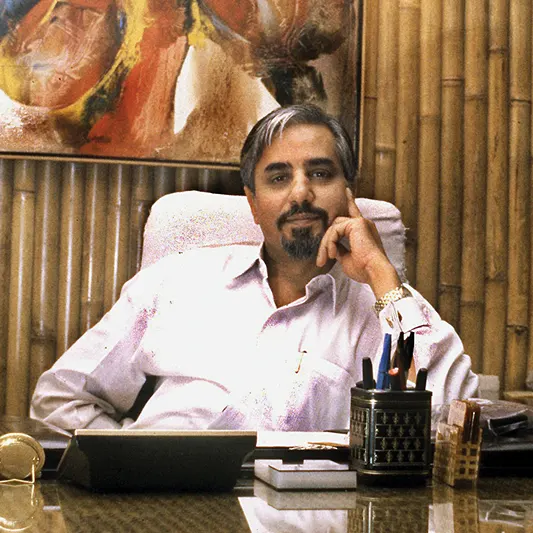
Subhash Chandra launches Zee TV
Inspired by CNN's coverage of the Gulf War, Essel Group Chairman Subhash Chandra launches India's first privately-owned satellite televison channel, Zee TV.
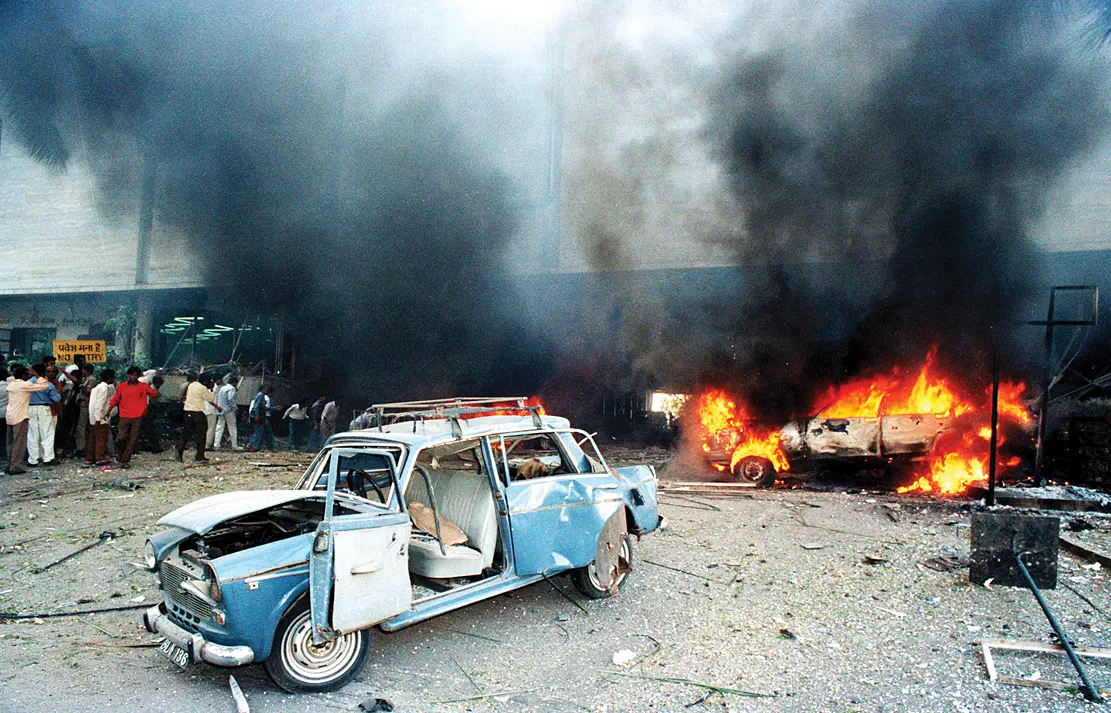
Bomb blasts in Mumbai
On March 12, 1993, 12 coordinated bomb blasts go off in Mumbai, India's financial capital, including at the Bombay Stock Exchange. The blasts kill 257 people and injure more than 700 others. Till date, the Terrorist and Disruptive Activities (Prevention) Act court has convicted more than 100 people for the attacks. The main accused, underworld dons Dawood Ibrahim and Tiger Memon, are still at large.
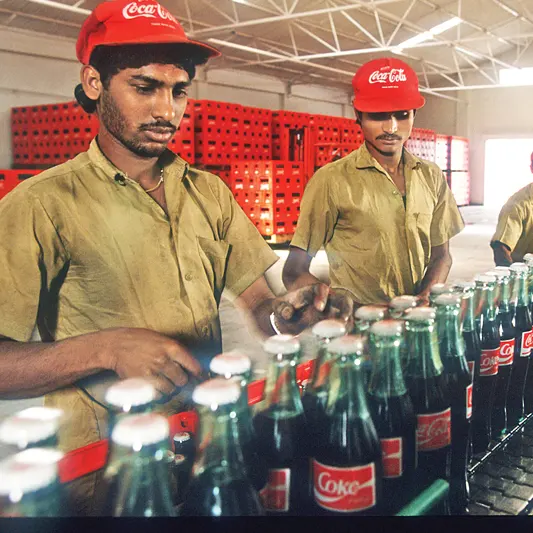
Coke comes back
The Coca-Cola Company starts production in India, re-entering the market after calling it quits 16 years earlier due to a law requiring it to transfer 60 percent of its equity to an Indian company. It returned in October 1993. Black Diamond Beverages, owned by the Goenka Group, begins to make Coca-Cola at a plant in Kolkata the following year.
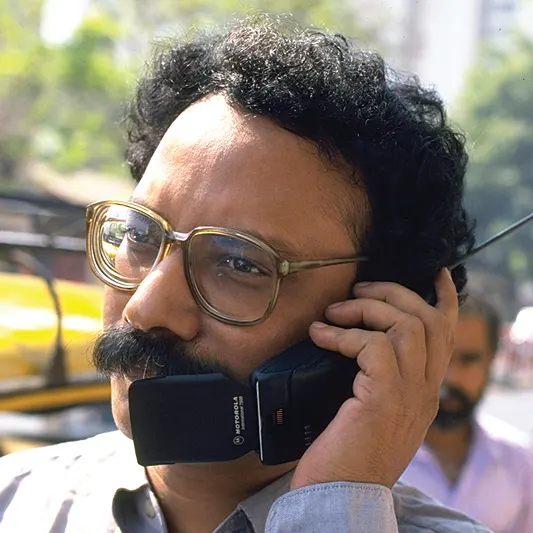
First cellphone call
On July 31, Jyoti Basu, then chief minister of West Bengal, makes India's first cellphone call to Sukh Ram, the communications minister in the PV Narasimha Rao government. Today, India is the world's biggest mobile phone market by users, behind only China. Beyond calls, people catch up and quarrel with friends on social media, and make billions of payments using their phones.
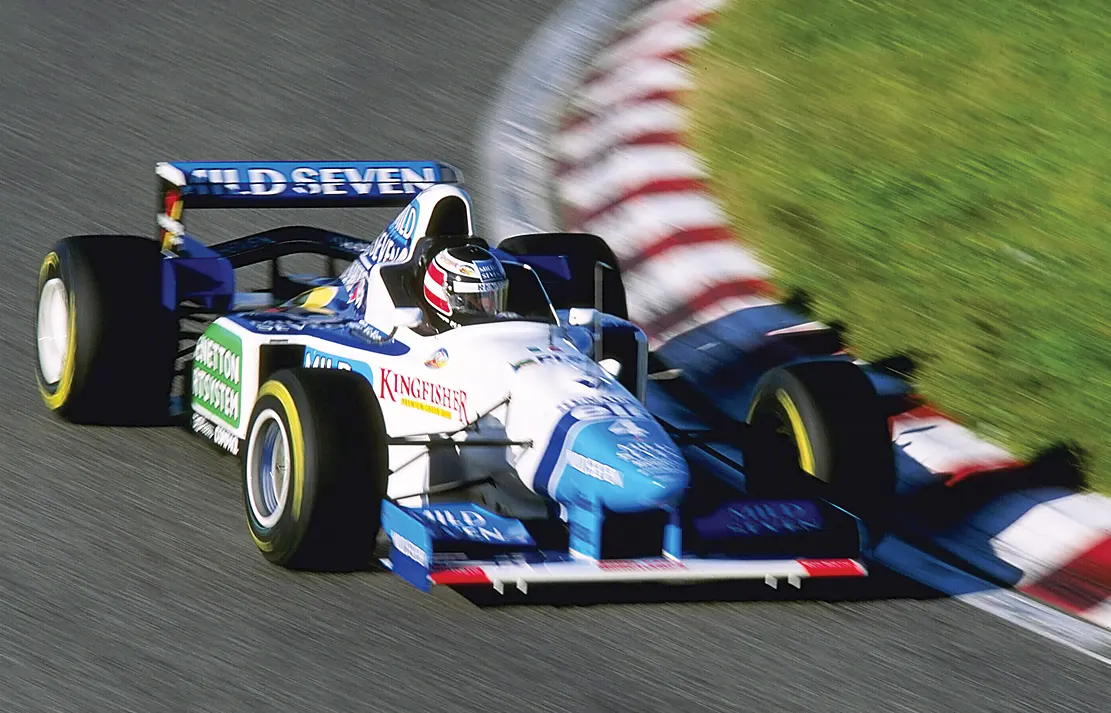
Mallya sponsors F1 team
Vijay Mallya's Kingfisher becomes a major sponsor of the Benetton Grand Prix team during the Formula One World Championship in London. Its logo is visible on the sidepods of the Benetton during the team's post-Michael Schumacher era, making it the first Indian firm to have its branding on an F1 car. Mallya pays $200,000 for the branding that subsequently lands him in trouble for violating the Foreign Exchange Regulation Act.
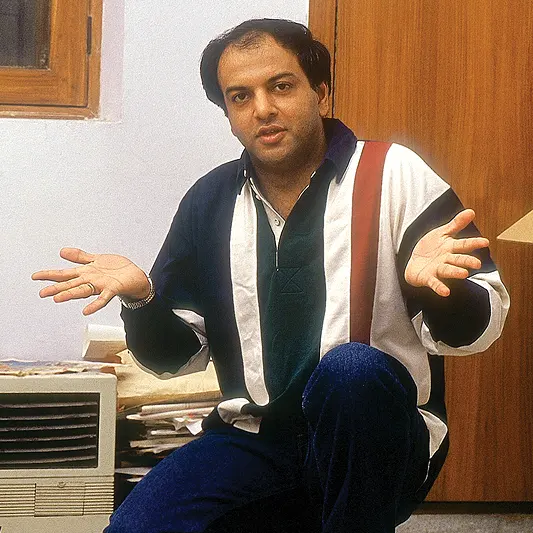
Sanjeev Bikhchandani launches Naukri.com
In 1996, Sanjeev Bikhchandani comes across the concept of the 'world wide web' or the internet at an IT Expo in Delhi. Immediately, he decides to set up a job aggregation website. A year later, Bikhchandani rents a server in the US for $25 per month and launches Naukri.com. Today, Naukri is India's largest employment website, and Bikhchandani wears many hats, including those of an investor, mentor and philanthropist.
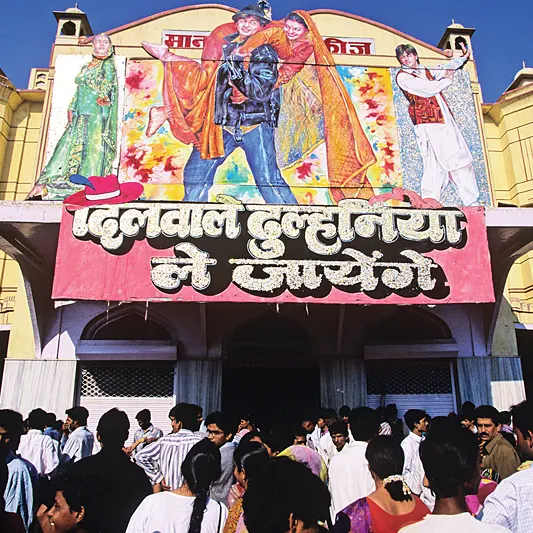
Birth Of the Film 'Industry'
Eighty-five years after India's first film, Raja Harishchandra, released in 1913, the National Democratic Alliance government grants the Indian film industry 'industry' status. The 'legitimacy' paves the way for corporatisation of the industry, which previously relied on money-borrowed at exorbitant interest rates-from moneylenders, businessmen, as well as the underworld to finance films.
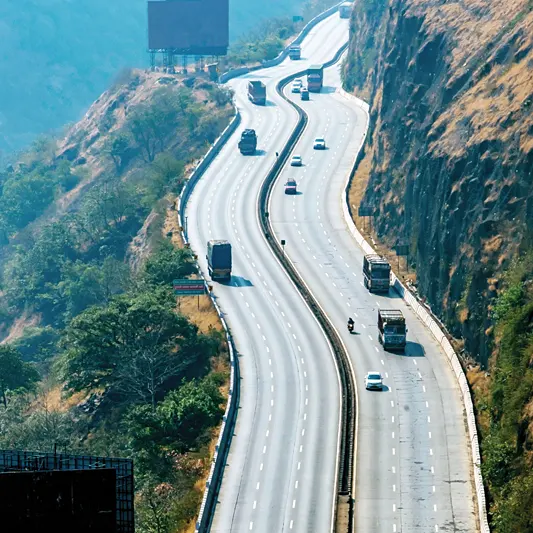
Golden Quadrilateral project is launched
Prime Minister Atal Bihari Vajpayee lays the foundation stone for the Golden Quadrilateral project-a network of four- and six-lane highways connecting India's top four metropolitan cities, Mumbai, Delhi, Chennai and Kolkata-on January 6. The 5,864-km project officially began in 2001 and was completed by 2012 at about half (₹308.5 billion) the estimated cost (₹600 billion). The Mumbai-Pune Expressway, the first controlled-access toll road to be built in India, is a part of the Golden Quadrilateral project.
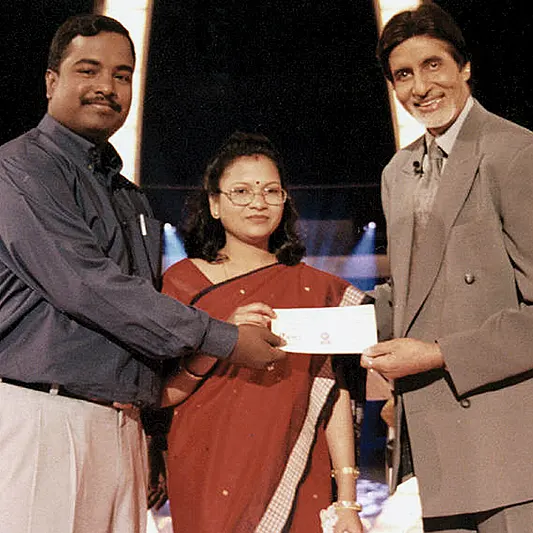
Kaun Banega Crorepati gets Bachchan to the small screen
Kaun Banega Crorepati-the Indian adaptation of Who Wants to be a Millionaire?-premieres on Star Plus on July 3. Hosted by megastar Amitabh Bachchan, the game show redefines prime-time television-viewing in India, as common citizens stand a chance to become millionaires in minutes. It also proves to be a lifeline for the superstar-who transitioned from 70 mm to the small screen-who admits that he was compelled to host the show as he wasn't getting any film offers then. Kaun Banega Crorepati completed 1,000 episodes last year.
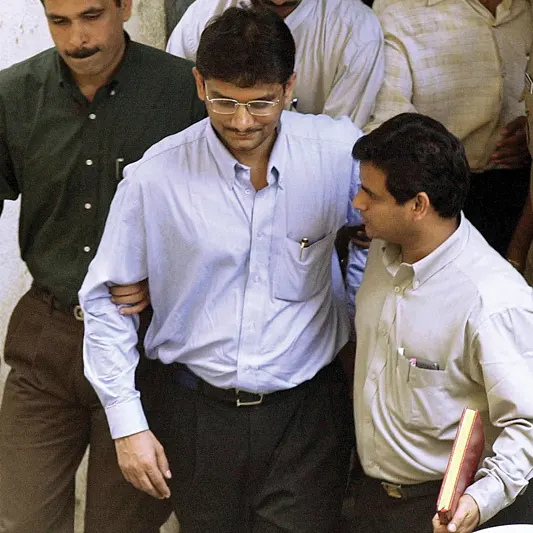
Ketan Parekh stock market scam
Nearly two decades after Harshad Mehta rocked the Indian stock market with the 1992 securities scam, his protégé Ketan Parekh is involved in a fraud that eventually leads to his conviction in 2008. The 'Bombay Bull', as he is known, deceives investors, banks and the market by manipulating facts, and bribing company directors to enable him to do insider trading. A CA by profession, he takes advantage of the loopholes in the stock market and siphons off public funds to the tune of ₹1,200 crore. The Serious Fraud Investigation Office estimates the extent of the fraud could touch ₹40,000 crore.
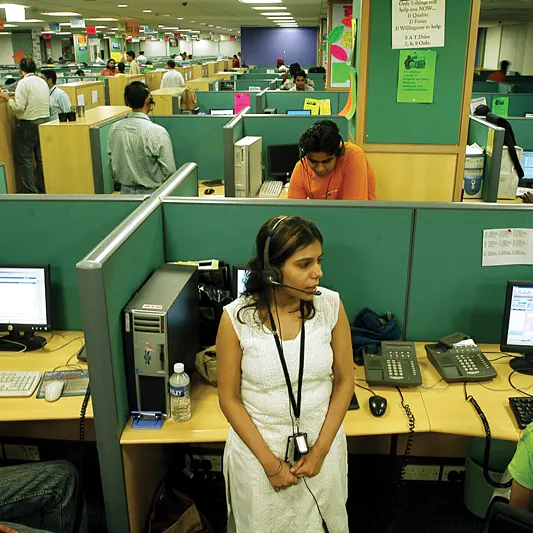
The BPO industry takes off
Close on the heels of the dotcom bubble burst in 2000, the business process outsourcing (BPO) industry takes off in India. With big multinationals and esteemed names such as GE and HSBC setting up back offices in the country, it is proving to be a lucrative employment option for the youth. Today, the BPO sector in India is a $47.5 billion industry, and it is expected to grow at a compound annual growth rate of over 10 percent. The ITES-BPO industry in India currently employs nearly four million people and is likely to create almost six million jobs by 2025.
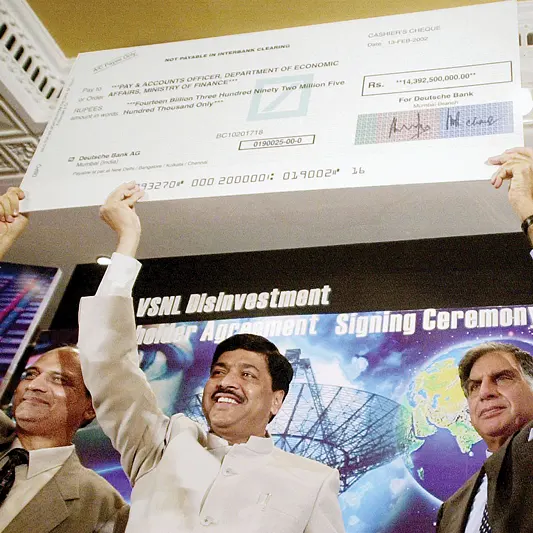
Finding hope in disinvestments
For the first time since the government's 1991 announcement of plans to disinvest stake in public sector companies, almost a fourth of the annual disinvestment target of ₹12,000 crore is realised in the first quarter of the fiscal. In 1999-2000 and 2000-01, the government had targeted ₹10,000 crore of disinvestments but got only ₹1,584 crore and ₹1,868 crore, respectively.
Ratan Tata (right), chairman of the Tata Group, Pramod Mahajan, Minister of Communications and Technology (centre), and SK Gupta, MD of VSNL, hold up a cheque of ₹14.4 billion, as the Tata Group buys 25 percent stake in the state-owned telecom operator.
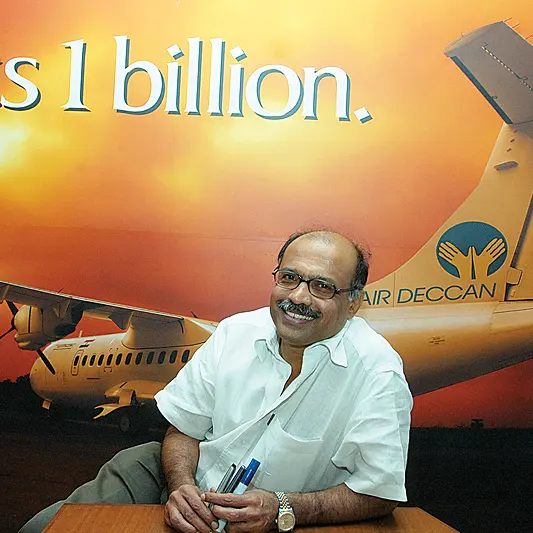
India's first low-cost airline
GR Gopinath, a retired Indian Army captain, launched Deccan Aviation-India's first private helicopter charter service-in 1997. Gopinath wants to make air travel accessible to every Indian, which is when he decides to launch India's first low-cost carrier. In August 2003, Air Deccan-a subsidiary of Deccan Aviation-launches operations with its first flight from Bangalore to Hubli. Tickets cost about 30 percent less than those of other airlines.
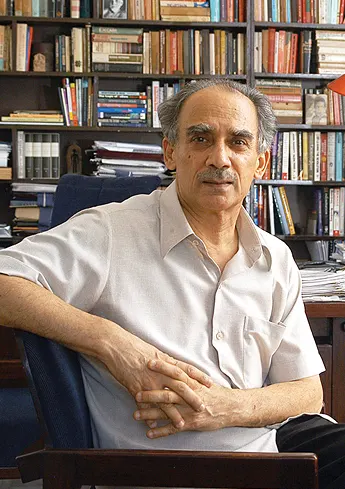
Largest ever public issue in India
Oil giant ONGC's divestment raises ₹10,534 crore in one of the largest-ever public issues in India. According to Disinvestment and Communications Minister Arun Shourie, with the ONGC IPO, the government has exceeded the disinvestment target by about ₹900 crore. The ONGC issue is oversubscribed 5.88 times, with 7.6 lakh retail investors and 350 institutional buyers participating in the public issue.
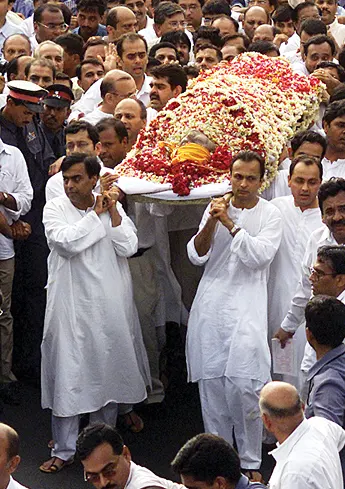
The end of an era... start of a new beginning
After the passing of industrialist Dhirubhai Ambani in 2002, people predict a fallout between the heirs of Reliance Industries. Finally, in 2005, after a bitter public battle, Mukesh and Anil Ambani set out to establish their individual empires. The deal divides the ₹99,000 crore empire built by their father between the two brothers. Mukesh is responsible for Reliance Industries and IPCL, while Anil is to take charge of Reliance Infocomm, Reliance Energy and Reliance Capital, as per an announcement by matriarch Kokilaben D Ambani.
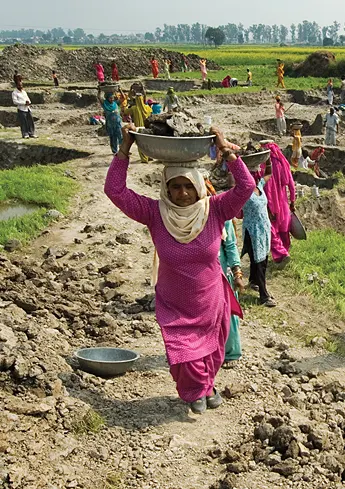
Launch of India's largest rural jobs scheme
The UPA government launches Mahatma Gandhi National Rural Employment Guarantee Scheme (MGNREGS)-India's largest-ever rural jobs scheme-to boost rural economies by providing people with 100 days of semi- or unskilled work, guaranteed public employment and raising wages. The implementation of this programme is monitored by the Ministry of Rural Development (MRD) and state governments. The aim is to improve the purchasing power of rural populations.
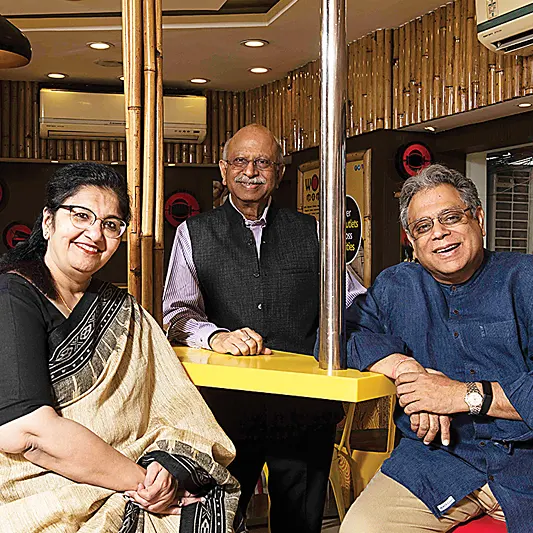
India's first investment network
As early-stage businesses emerge in India, there is a dire need to create the country's largest horizontal platform for seed and early-stage investments. Padmaja Ruparel, Saurabh Srivastava and Raman Roy launch Indian Angel Network (IAN) to transform India's entrepreneurial landscape. The network aims to plug the gap in funding, by connecting entrepreneurs with angel investors and providing strategic mentorship.
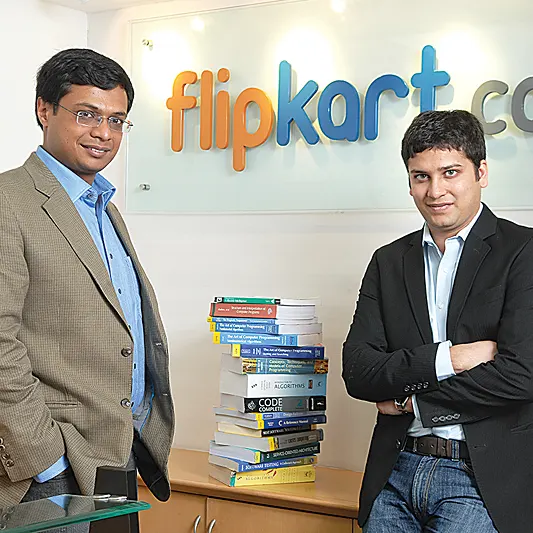
Launch of Flipkart
Two Indian software engineers, Sachin Bansal (left) and Binny Bansal, witness the changing dynamics of technology and realise the power of ecommerce. The Bansals quit their jobs at American retail giant Amazon to launch Flipkart, a similar ecommerce firm of their own for selling books. There are only 50 million internet users in India in 2007, but the duo foresee that more Indians will shop online. The company expands its rapid service, and delivery becomes the company's hallmark. Eventually, Flipkart explodes into a full-blown ecommerce giant, changing the ways Indians shop.
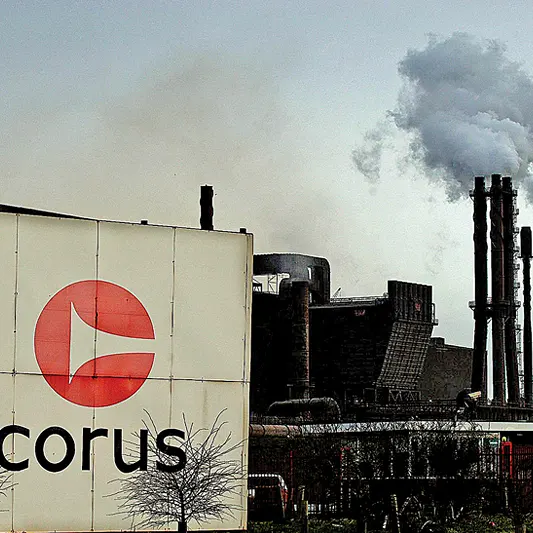
Tata acquires Corus
Tata Steel takes over Anglo-Dutch steelmaker Corus Group, Europe's second-largest and the world's eighth-largest steel producer, in an all-cash deal of $12.15 billion (₹55,000 crore). It is the largest acquisition by an Indian company and the industry's second largest, after Mittal Steel's $38.3 billion acquisition of Arcelor. With this deal, Tata Steel becomes the world's sixth largest steel producer, from the 56th largest, and settles at the 10th position as of 2021.
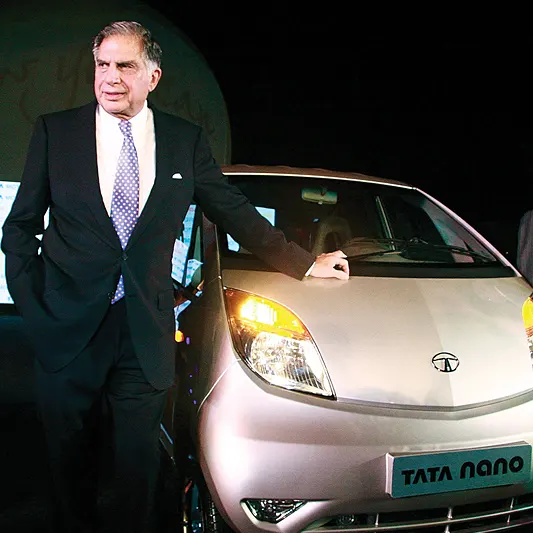
Launch of Tata Nano and acquisition of Jaguar Land Rover
Ratan Tata, chairman of the Tata Group, launches India's most affordable car, Nano. The rear-engine, pod-shaped vehicle will be sold at a base price of ₹1 lakh. Slightly more than 10 feet long and about 5 feet wide, the “people's car” can seat up to five adults. The first Nano hit the road in July 2009. However, it was discontinued in 2018 due to low sales.
In 2008, Tata Motors makes headlines again for entering the luxury car and SUV business, with a signed agreement to buy British brands Jaguar and Land Rover from the Ford Motor Company for $2.3 billion.
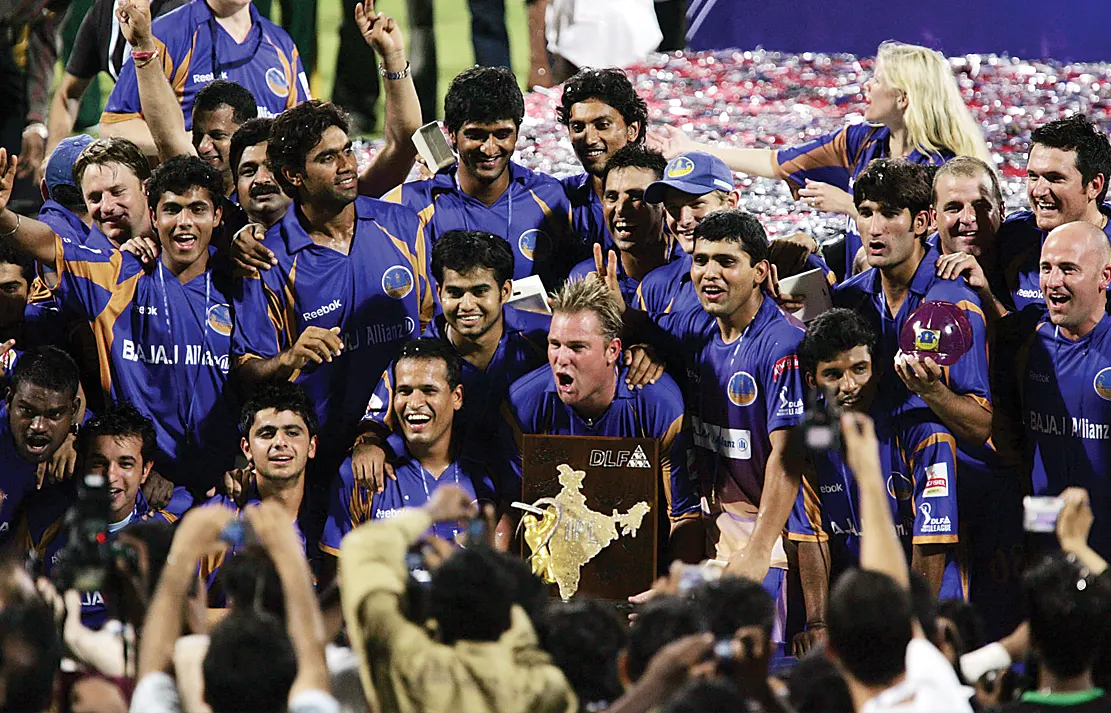
First IPL
The first season of the Indian Premier League (IPL) tournament commences in April, with the Kolkata Knight Riders and Royal Challengers Bangalore playing in the inaugural match. After 52 days and 58 matches, Rajasthan Royals wins the first edition. IPL is a professional Twenty20 league championship hosted in India, under the BCCI. Indian and international players take part in this league, contributing to what is now the world's richest cricket tournament.
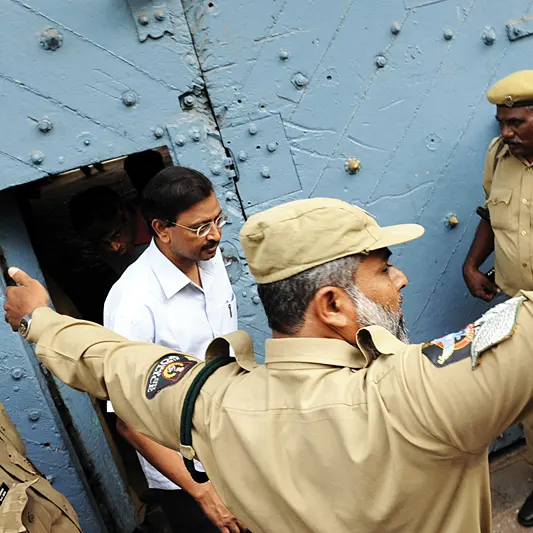
Satyam scam
In January, Byrraju Ramalinga Raju (left in pic), co-founder of India's fourth largest IT company, Satyam, resigns as chairman and writes to Sebi and stock exchanges, admitting to inflating the cash and bank balances of his company. He accepts committing a fraud of ₹7,000 crore. Everyone involved in the scam is subsequently sentenced to prison and charged large sums as penalty.
In 2015, Tech Mahindra purchases Satyam and renames it Mahindra Satyam. In 2015, Raju and all others found guilty are granted bail by a special court in Hyderabad.
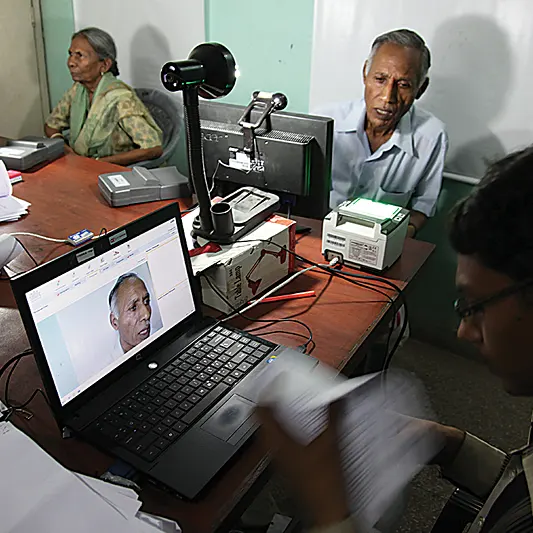
First set of Aadhaar cards issued
On September 29, 10 people in Tembhli, Maharashtra, become the first recipients of the Aadhaar card-a scheme aimed at helping those who are unable to establish their rights to government benefits. Infosys co-founder Nandan Nilekani is credited with building the giant foundational identity system, while serving as chairman of the Unique Identification Authority of India.
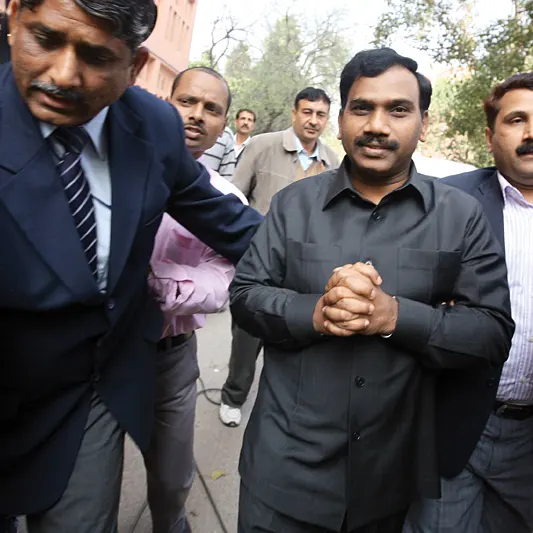
Allegations of 2G Spectrum Scam
After the Comptroller and Auditor General reveals that the exchequer has lost ₹1.76 lakh crore due to unfair distribution of 2G licenses, the CBI files chargesheets, naming Telecom Minister A Raja (in pic) and MP Kanhimozi Karunanidhi. Trial begins in November.
In 2017, a special court acquits all 17 accused for cheating, abuse of public office and other charges. In March 2018, the Enforcement Directorate challenges the verdict in the Delhi High Court, and in January 2021, the CBI begins arguments. With no verdict yet in sight, the CBI moves the HC for daily hearing in order to expedite the case.
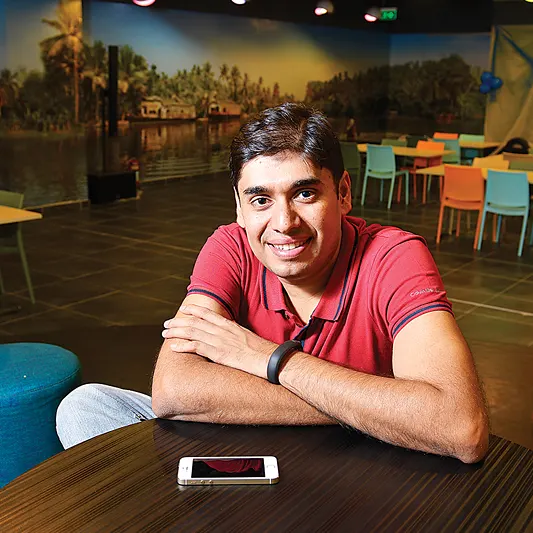
India gets its first unicorn, InMobi
Founders of mkhoj-including CEO Naveen Tewari -a Mumbai-based SMS monetisation company founded in 2007, pivot to focusing on advertising on mobile phones in 2008 and establish InMobi, in Bengaluru. In 2011, it becomes a unicorn, India's first private company and the only tech and homegrown startup to achieve this status.
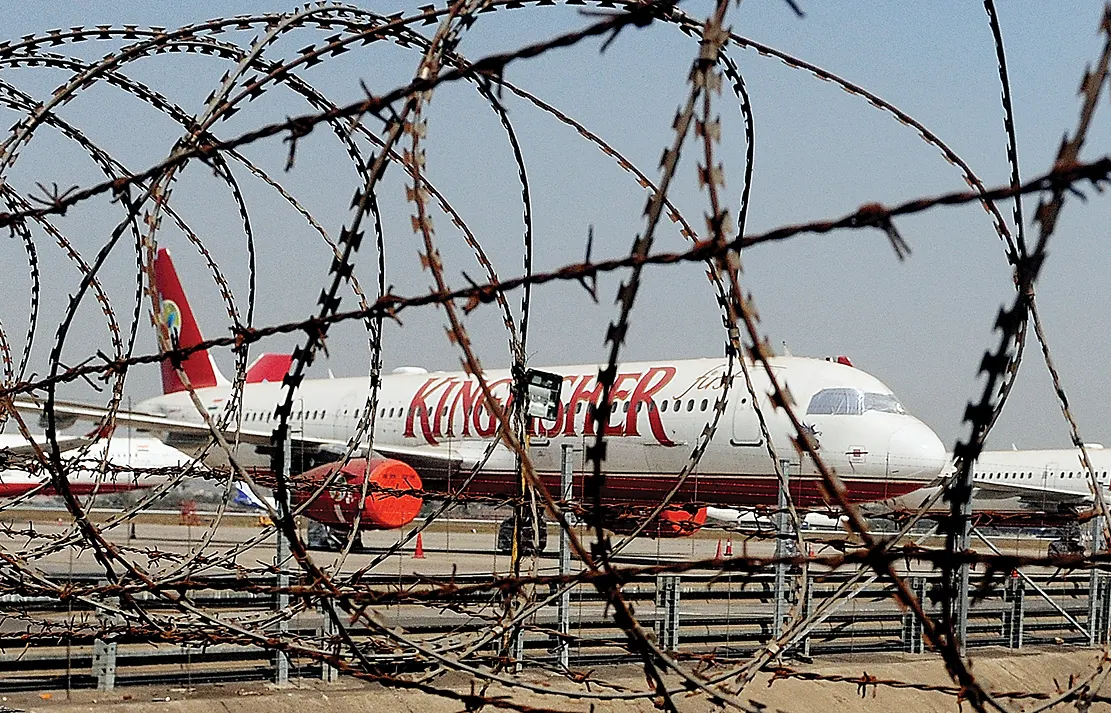
Kingfisher Airlines gets suspended
The Directorate General of Civil Aviation (DGCA) gives Vijay Mallya-controlled Kingfisher Airlines 15 days to reply on why its permit to fly should not be suspended or cancelled since the airline has failed to establish a “safe, efficient, and reliable service”. The airline also hasn't shown profit since its inception in 2005, has a total debt of $2.49 billion, and accumulated losses of $1.9 billion. The DGCA is not satisfied with Kingfisher's replies and suspends its air operating licence on October 20. It never takes off again.
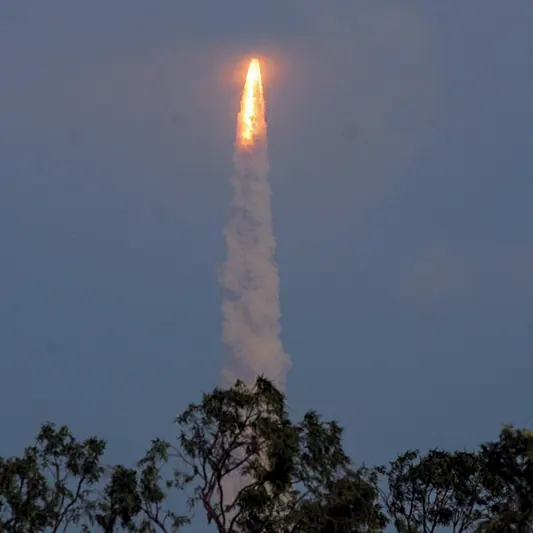
India launches Mangalyaan, the Mars orbiter mission
India's maiden interplanetary mission is launched on November 5. Named Mangalyaan, Isro's space probe takes off from Sriharikota, Andhra Pradesh. Mangalyaan becomes the only satellite that can image the full disc of Mars in one view frame, while also imaging the far side of Deimos, the smaller of Mars' two moons. This makes India the first Asian country to successfully launch a Mars orbiter mission, and also the first to enter the Martian orbit in its first attempt, usually considered the most complex space mission.
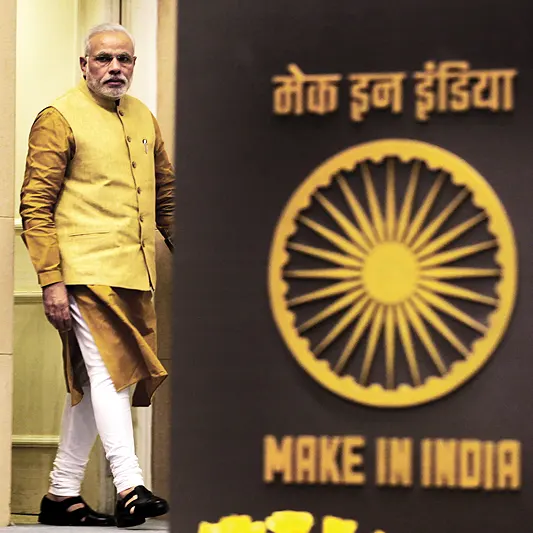
PM launches Make in India campaign
The Bharatiya Janta Party-led National Democratic Alliance comes to power and Narendra Modi is sworn in as prime minister on May 26. In his first Independence Day address, he launches the Make in India campaign, with an aim to revive the manufacturing sector. The plan involves inviting 3,000 global companies to set up manufacturing units in India to supply to the rest of the world.
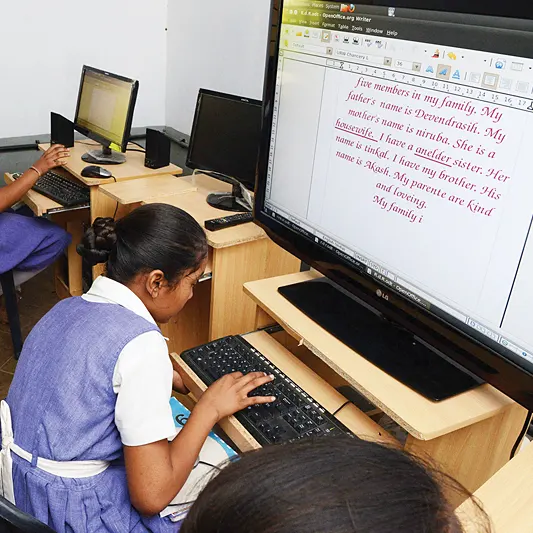
PM launches Digital India mission
On July 1, Prime Minister Narendra Modi launches the Digital India campaign to transform the country into a digital economy. At this point, only 19 percent of the population is connected to the internet, and 15 percent has access to mobiles. The programme is designed to ensure that government services are available to citizens electronically and comprises projects worth over ₹1 lakh crore. The Ministry of Electronics and Information Technology is tasked with implementing the programme that includes projects such as Digital Locker, e-education, and e-health.
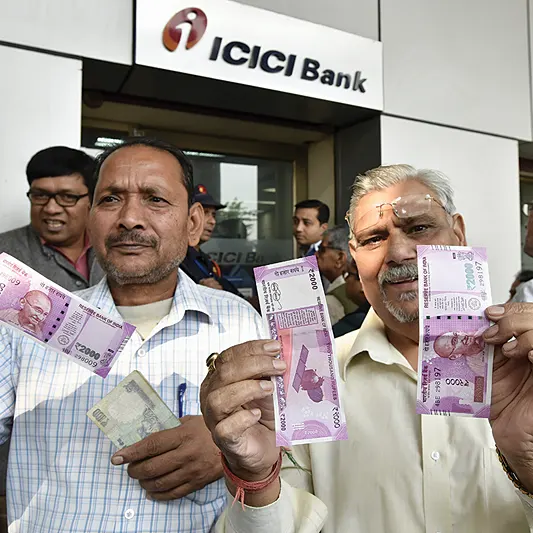
Demonetisation
On November 8, Prime Minister Narendra Modi announces that ₹500 and ₹1,000 notes have been demonetised, thus declaring 86 percent of the country's bank notes invalid. The aim is to crack down on corruption. The jury is still out on whether the aim was achieved, but those who benefited from the move are digital payment companies like Paytm. The government also launches the Unified Payments Interface (UPI), providing a major boost to online payments.
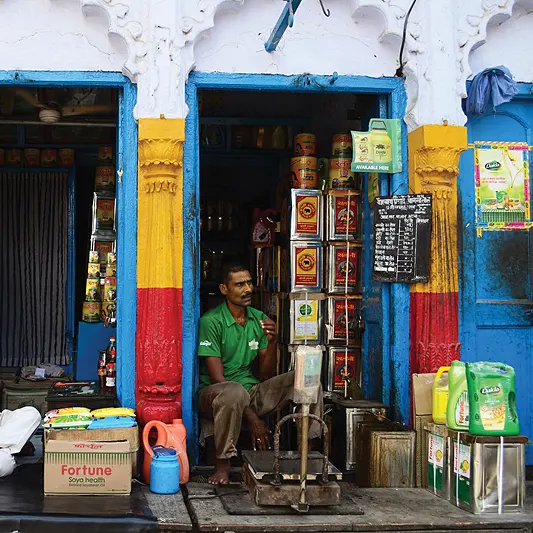
GST is passed
The Goods and Services Tax (GST) is implemented, 11 years after it was first proposed. Hailed as a revolutionary move by Finance Minister Arun Jaitley, the GST replaces a complex web of state and federal levies with a single, value-added tax. Although it is the biggest tax reform in India since Independence, the GST would remain a work-in-progress for the next couple of years. Following grievances, the government moves hundred of items to lower tax brackets and reduces filing requirements for small businesses.
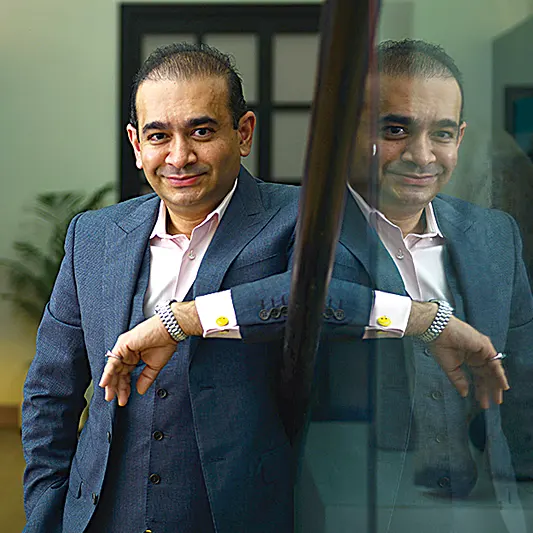
Nirav Modi scam
Punjab National Bank (PNB) files a complaint with the Central Bureau of Investigation accusing Nirav Modi, a billionaire jeweller, of obtaining unauthorised and fake letters of undertaking from a Mumbai branch, and using them to secure $44 million in credit from foreign branches of other Indian banks. Later, PNB releases another stock market notification saying the fraudulent transactions are worth $1.77 billion. Modi flees to the UK, is eventually arrested upon a request from New Delhi to extradite him, and remains in a London prison.
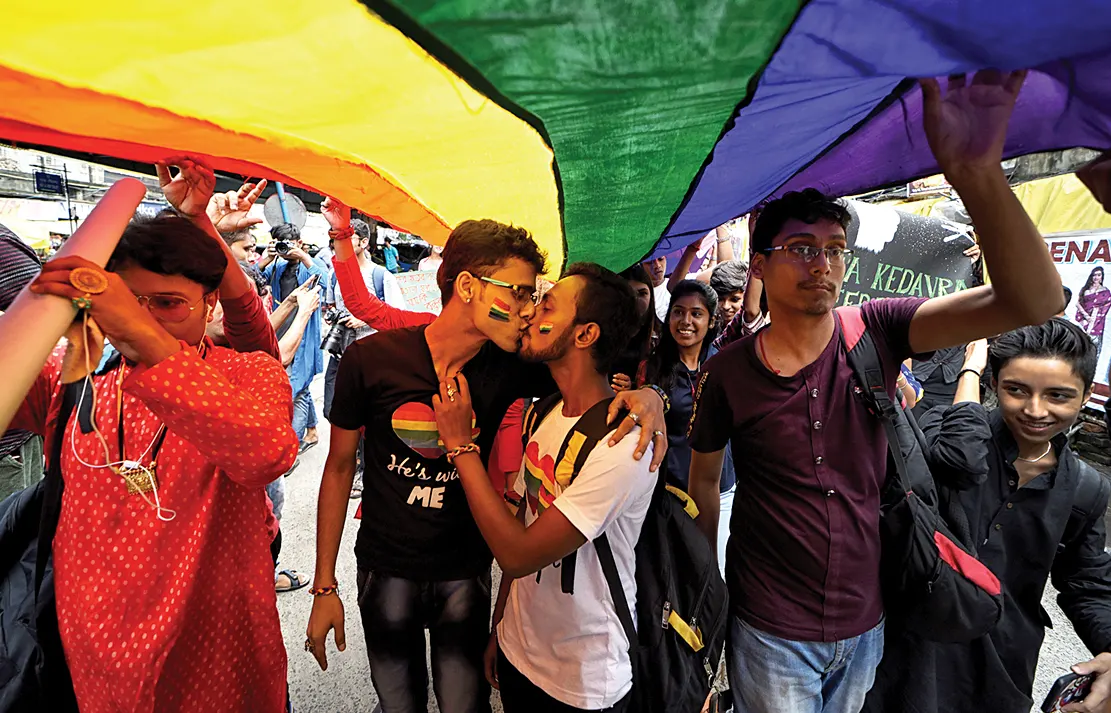
Section 377 decriminalised
In a groundbreaking verdict, the Supreme Court rules that a colonial-era law criminalising homosexual sex is unconstitutional. The five-judge bench unanimously affirms that India's LGBT community has a fundamental right to equality, dignity, self-expression and privacy. After a two-decade long legal battle, this is a huge victory for India's LGBT community.
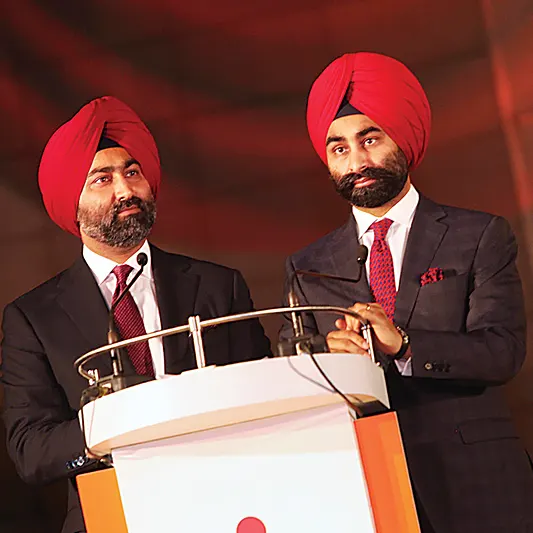
Ranbaxy/Religare scandal
Delhi Police's Economic Offences Wing arrests Malvinder Mohan Singh (left in pic) and his younger brother Shivinder Mohan Singh (right), former promoters of pharma major Ranbaxy Laboratories, hospital chain Fortis Healthcare, and financial services firm Religare, for causing wrongful loss worth ₹2,397 crore to Religare Finvest Ltd. It is a sad turn of events in the high-octane drama of the Singh brothers. The blue-eyed boys of the Indian pharma turn out to be jugaad masters who put a soaring business in the dark pages of history.
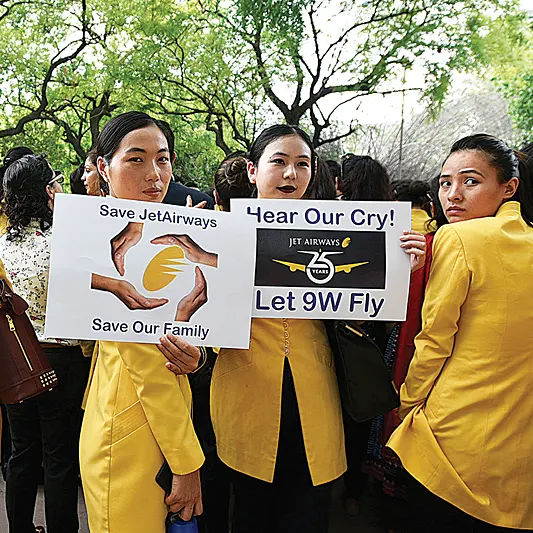
Jet Airways collapse
Jet Airways has finally been grounded. This is a big blow to the Indian aviation industry that is looking for ways to win over the tricky consumer that wants better services at cheaper prices, a struggle Jet Airways tried to triumph for 26 years and finally broke under the mountain of debt. Founder and chairman Naresh Goyal's passion project once ruled the skies of the world's fastest-growing air travel market. Now, it owes more than $1.2 billion to banks, staff, and suppliers.
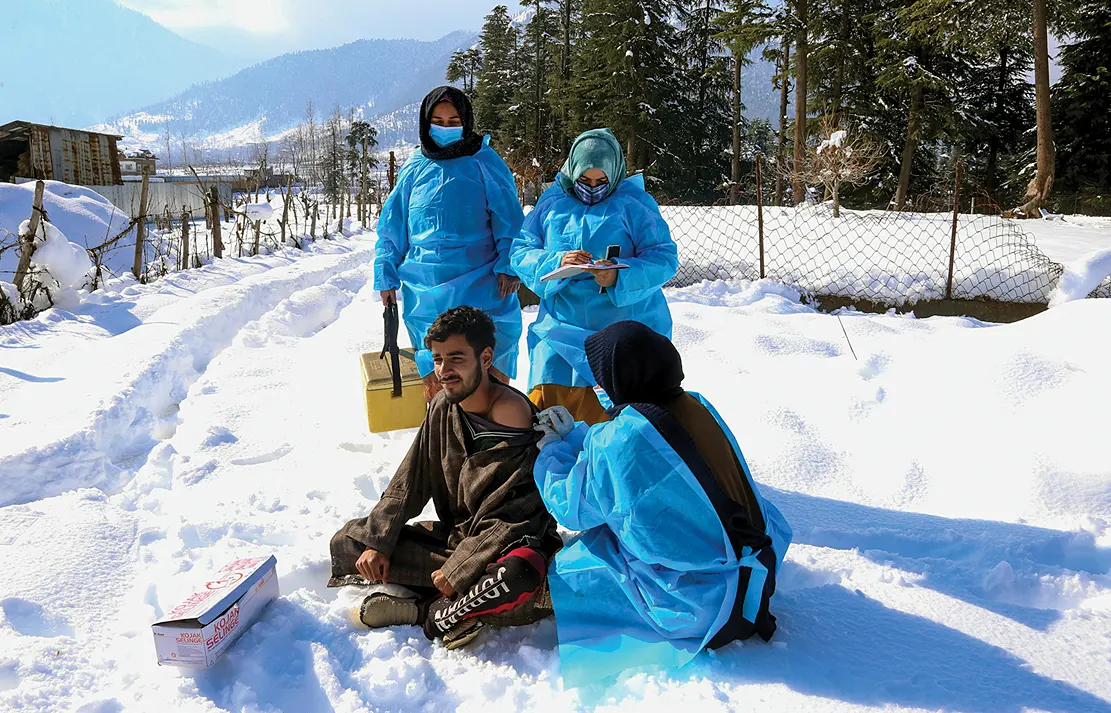
Covid-19 pandemic
On March 24, Narendra Modi announces a 21-day nationwide lockdown to curb the spread of the Covid-19 virus. India's GDP contracts 7.3 percent for FY21, the worst economic performance since Independence. According to the National Statistical Office, 113,998 migrants move to rural areas.
Industrial Relations Code Bill, 2020 is announced, increasing social security for migrant workers, but giving more flexibility to employers to hire and fire workers. Indian pharma companies race to make the Covid-19 vaccine available, leading to the world's biggest vaccination drive. The necessities born out of the pandemic and the push for 'Atmanirbhar Bharat' see a rise in innovation, fintech and ecommerce.
&NeerajKhandelwalCofoundersCoinDCX.webp "The year of unicorns")
The year of unicorns
India has the third-largest ecosystem for startups, as the number of investors and incubators rise nine-fold and seven-fold, as per Invest India. By December 31, 2021, India has 79 unicorns, of which 42 are born in 2021. In sectors like fintech, edtech, proptech or crypto-such as CoinDCX, founded by Sumit Gupta (right in pic) and Neeraj Khandelwal-they have a combined value of $82.1 billion.
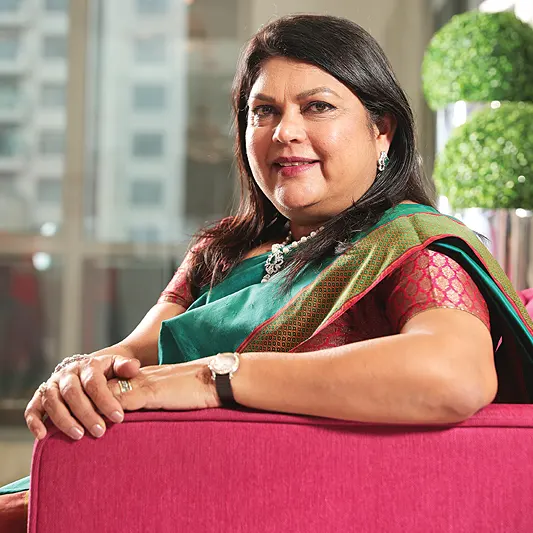
The year of internet IPOs
There's euphoria on Dalal Street as investors start pumping in money. Taking advantage, many companies from emerging sectors such as fintech and consumer tech launch their IPOs. Four digital IPOs-Zomato, Paytm, Nykaa and Policybazaar-make a killing and collectively pick up ₹39,000 crore. While Nykaa's Falguni Nayar becomes the richest self-made woman in India after the IPO, fintech poster boy Vijay Shekhar Sharma's Paytm serves a negative return of 38.24 percent and has not recovered yet.
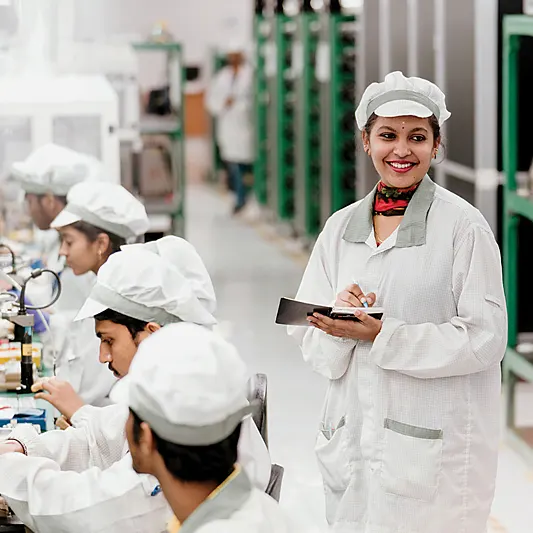
1 million made-in-India iPhones
For the first time since starting manufacturing iPhones in India in 2017, Apple ships out a million units, through its contractors, including Foxconn and Wistron, in Q1 of FY22. The share of made-in-India iPhones within Apple's portfolio increases 50 percent year-on-year. The performance grows in Q2 as the Cupertino company ships 1.2 million iPhones in India in Q2, logging 94 percent growth.
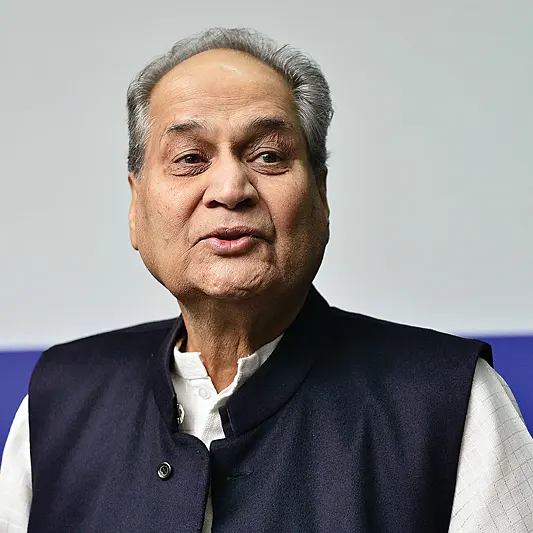
Losing legends
Rahul Bajaj (in pic), the man who afforded mobility to the Indian middle class with scooters like Chetak and Priya, passes away on February 12. Another Indian business legend, Pallonji Mistry of Shapoorji Pallonji Group, which built Mumbai landmarks such as the Reserve Bank of India and The Taj Mahal Palace hotel, dies on June 28.