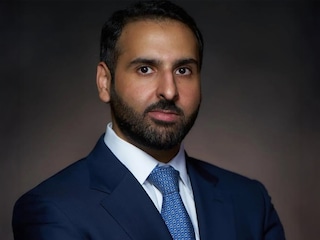
A fresh generational shift is taking shape at the helm of India’s most influential philanthropic institutions. Neville Tata, a key figure in the Tata Group’s retail expansion and the son of Noel Tata, will join the board of the Sir Ratan Tata Trust on January 17, marking another step in the gradual reshaping of governance at Tata Trusts.
The appointment follows closely on the heels of recent changes at the Sir Dorabji Tata Trust where Neville is also a trustee, reinforcing the sense that the Trusts—long known for their quiet continuity—are entering a new phase. Together, the two trusts hold a controlling stake of around two-thirds in Tata Sons, the holding company of the $150 billion Tata Group. As a result, even incremental changes in trustee appointments tend to carry implications far beyond philanthropy.
Neville Tata’s induction into the Sir Ratan Tata Trust board is being read as both symbolic and strategic. Symbolic, because it represents the entry of a younger generation into institutions historically dominated by veteran industrialists and public figures. Strategic, because Neville brings with him operating experience from one of the Tata Group’s fastest growing businesses: Retail.
Over the past few years, Neville Tata has been closely associated with Trent Ltd, where brands such as Zudio have emerged as unlikely mass market winners, reshaping the group’s presence in India’s value fashion segment. He has also been on the board of the Tata Indian Institute of Skills since 2024, giving him direct exposure to the Trusts’ education and skilling priorities. While his role at the Trusts will be fiduciary rather than executive, his exposure to modern consumer businesses adds a different texture to boards traditionally focussed on grants, governance and long-term stewardship.
Read More
The broader context is equally important. Noel Tata, chairman of Tata Trusts, has been consolidating his influence across the Tata ecosystem even as the group maintains a formal separation between operating leadership at Tata Sons and oversight by the Trusts. The induction of Neville Tata into the Sir Ratan Tata Trust strengthens that axis, while remaining within the guardrails of established governance norms.
At the same time, continuity has not been sacrificed. Senior figures such as Venu Srinivasan continue to play a role in the Trusts’ leadership, though recent moves—such as shifting lifetime appointments to fixed terms—signal a more structured and contemporary approach to governance. The message appears to be one of balance: Evolve without disruption.
Historically, the Sir Ratan Tata Trust has been central to the group’s philanthropic legacy, with a focus on education, health care, rural development and social innovation. Decisions taken at its board table ripple outward, influencing not just grant-making priorities but also the values that underpin the Tata Group’s corporate identity.
Neville Tata’s entry on January 17 will not, by itself, herald a dramatic change in direction. But in an institution where change has often been glacial, it is a notable marker. It underscores the Trusts’ recognition that stewardship in the decades ahead will require familiarity with new businesses, new consumers and a rapidly changing India.
For the Tata Group, whose reputation has long rested as much on its social mission as on its commercial success, the evolution of Tata Trusts matters deeply. With Neville Tata stepping into the Sir Ratan Tata Trust boardroom, the next chapter is being written quietly—but deliberately.