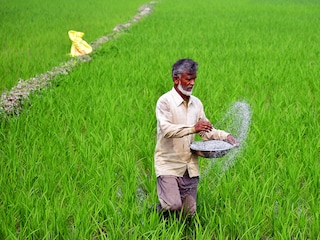
As the West Asia war disrupts trade routes, all eyes are on fertilisers. In a country where agriculture supports nearly half the population, any disruption in fertiliser availability or pricing can result in crop output risk, food inflation and a decline in rural income.
Driven by its vast cropping base and intensive farming practices, India is among the world’s largest fertiliser consumers. Though domestic production has expanded over the years, the sector remains dependent on imports, not just for finished fertilisers such as muriate of potash, but also for intermediates like rock phosphate, ammonia and sulphur.
At the core of this issue lies natural gas. Urea, the most widely used fertiliser in India, is produced using natural gas as a primary component. The fertiliser industry accounts for roughly 30 percent of India’s natural gas consumption. A significant portion of this gas is imported as liquefied natural gas (LNG), much of which is sourced out of West Asia.
Disruptions in shipping routes, higher freight costs and uncertainty in energy markets are beginning to ripple through fertiliser supply chains. Industry experts note that gas availability has already tightened in certain regions, forcing the modification of production planning.
“The fertiliser sector is highly dependent on imported RLNG for the production of urea, with significant supplies of LNG coming from the Middle East,” according to a spokesperson for the Fertiliser Association of India (FAI). He says the industry is working closely with the government to ensure prioritised gas allocation for urea production, especially as some plants undergo scheduled maintenance.
Read More
Domestic limitations are also affecting the supply of gas. The competing demand for natural gas from household gas distribution networks to industrial users has at times restricted the availability for fertiliser manufacturers. This has had a measurable impact: Domestic urea production declined by around 3.2 percent in the first nine months of the current fiscal, increasing reliance on imports to bridge the gap.
In the first 10 months of FY26, India’s total fertiliser production and imports covering urea, DAP, complex fertilisers, single super phosphate and potash increased from 57 million tonnes to about 65 million tonnes, reflecting both higher output and proactive import strategies. “Urea and phosphatic fertiliser supplies remain adequate to meet agricultural requirements for the upcoming kharif season starting June,” the FAI spokesperson says.
India’s strategy to mitigate risk has also evolved with time. Fertiliser companies have diversified sourcing, entering into long-term contracts for raw materials and intermediates with countries such as Morocco, Jordan, Saudi Arabia, Russia and Belarus.
However, diversification does not fully protect the sector from global shocks. Prices of key inputs such as ammonia and sulphur remain closely tied to international energy markets. For now, adequate inventories and coordinated supply management offer reassurance, but the future remains uncertain.