The new blueprint - Designing resilient cities for India’s climate future
Designing for a hotter, harder tomorrow - Why resilience must lead architecture
By
Prefer us on GoogleLast Updated: Jan 23, 2026, 18:30 IST3 min
Homes and cities were once designed for comfort.Now, they must be designed for survival.
As climate extremes intensify, heatwaves, flash floods, pollution spikes, architecture sits at the front line of the fight between human ambition and environmental reality. And that fight calls for a new kind of imagination: one that protects, adapts and thinks ahead.
That’s the conversation Forbes India presents Interface Design Guild unlocked in its latest episode - Designing for Resilience with two leaders who shape how India will build forward:Sanjay Wadhwa, Managing Director, SWBI Architects and Agradeep Mondal, MD - India & SAARC, Interface India
The blueprint of resilience begins right at the drawing board; how a building faces the sun, breathes through facades, shields from dust, or cools without mechanical overload. Cities like Delhi need forms that fight heat islands and filter polluted air, while coastal zones must withstand rain and rising water.
The goal?Buildings that consume less, withstand more, and contribute back.
“Carpet tiles improve insulation and indoor air quality… materials must protect the environment and the people living in it.”— Agradeep Mondal
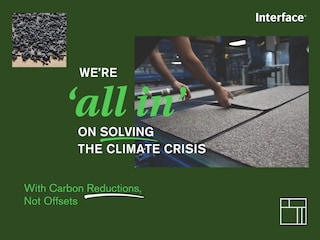
Interface India’s flooring solutions, modular, antimicrobial and reusable, keep spaces comfortable while reducing waste. Their sustainability approach isn’t a marketing line; it’s backed by decades of verified data. As Mondal put it:
“Anything that does not go into a landfill is fundamentally sustainable.”
Wadhwa connects structural resilience to economic dignity:
“Resilience is about ensuring the vulnerable aren’t displaced every time nature reacts.”
He points to the need for good planning to reduce the social and economic vulnerability of people and supports initiatives that give back to public spaces, livelihoods and continuity.
From glass that automatically adjusts to heat and light, to concrete that heals its own cracks, these materials promise buildings that age gracefully; and protect us while doing it.
“It’s in its early stages, but the shift is underway.”— Sanjay Wadhwa
“It is scalable, relocatable, and improves quality because it is factory-controlled… and the speed is something we cannot imagine.”— Sanjay Wadhwa
Less disruption to neighbours.Less stress on labor availability.Less environmental impact.
Mondal adds that modular carpets are ideal for supporting retrofit projects, as they can be installed without causing any negative effects on the existing building stock. This makes them a practical choice for upgrades, allowing for improvements and updates while preserving the integrity and value of what is already in place.
This is resilience designed for expanding cities.
We aren’t designing for the climate of the past.We’re building for a future that demands foresight, empathy, and responsibility.
“Resilient architecture enhances life - socially, economically, environmentally.”— Sanjay Wadhwa
Interface Design Guild reminds us that progress isn’t just taller towers or smarter tech; it’s about keeping communities rooted, safe, and thriving.
First Published: Jan 23, 2026, 18:32
Subscribe Now