Built on commitment: How Kingston turned crisis into 38 years of profitable lead
Committed to building a memory that lasts forever
Last Updated: Jan 07, 2026, 15:40 IST4 min
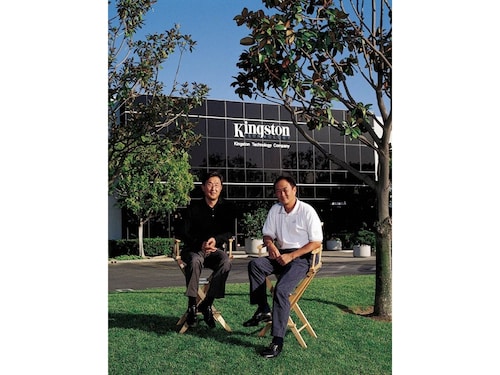
The technology hardware industry moves at a rapid pace, shaped by ever-changing user demands and unpredictable supply chain dynamics. Companies race to innovate, hoping to survive the chaos- but innovation alone isn’t enough to live through this environment. In a market where product cycles are fleeting and competition is never-ending, very few brands manage to stay relevant for decades, let alone thrive. Kingston Technology is one of those rare exceptions.
For 38 years, the company has steadily strengthened its reputation—not through aggressive marketing, but by staying true to a simple principle: Built on Commitment. This unwavering focus on Performance, Quality, Reliability, and Service reflects its deep dedication to customers, partners, and the communities it serves. With profitable growth, it has expanded its presence to 175+ countries and distribution in more than 225,000 locations. Nearly two million units shipped per day is not the result of a single hot product cycle; it’s the outcome of disciplined choices, made year after year.
The story begins post black Monday chaos of 1987. When the founders, Mr. John Tu and Mr. David Sun, started again with an investment of just $2,000, laying the foundation for a fresh vision in the memory business. From the beginning, the company’s focus wasn’t only on technology, but on people as well. After burgeoning growth over the years, in 1996, Kingston reached a pivotal moment when Softbank acquired 80% of the company’s business. Rather than treating the deal as a typical financial exit, the founders used it to reinforce a culture of trust and shared success—distributing $100 million in bonuses to employees from the proceeds, a gesture that became part of corporate legend. Just three years later, in July 1999, the founders repurchased SoftBank’s 80% stake for $450 million, restoring Kingston Technology to full private ownership—an independence it retains to this day as a profitable, privately held company that continues to thrive.
Today, Kingston’s median employee tenure exceeds industry averages, and the internal belief is that investing in employees means better care for customers. Continuity in teams shows up in how inventory planning, quality control, and partner support are managed - small decisions, compounding over time.
Kingston’s people-first philosophy is not just a culture; its strength is rooted in this approach. The company has dominated the DRAM modules in space for over two decades as the No. 1 global third‑party supplier, most recently with an estimated share of around two‑thirds of the market. In SSDs, Kingston led global channel shipments through 2024, owning more than a third of the volume.
In India, where trust and convenience matter to consumers, a vast network of Kingston’s partners and retailers ensures that buyers find the right product and support without friction. India remains one of Kingston’s key APAC markets, where it leads across every category it competes in locally, including being the largest supplier of USB drives in the third‑party market.
How Kingston sustains market leadership through strong operations and resilience
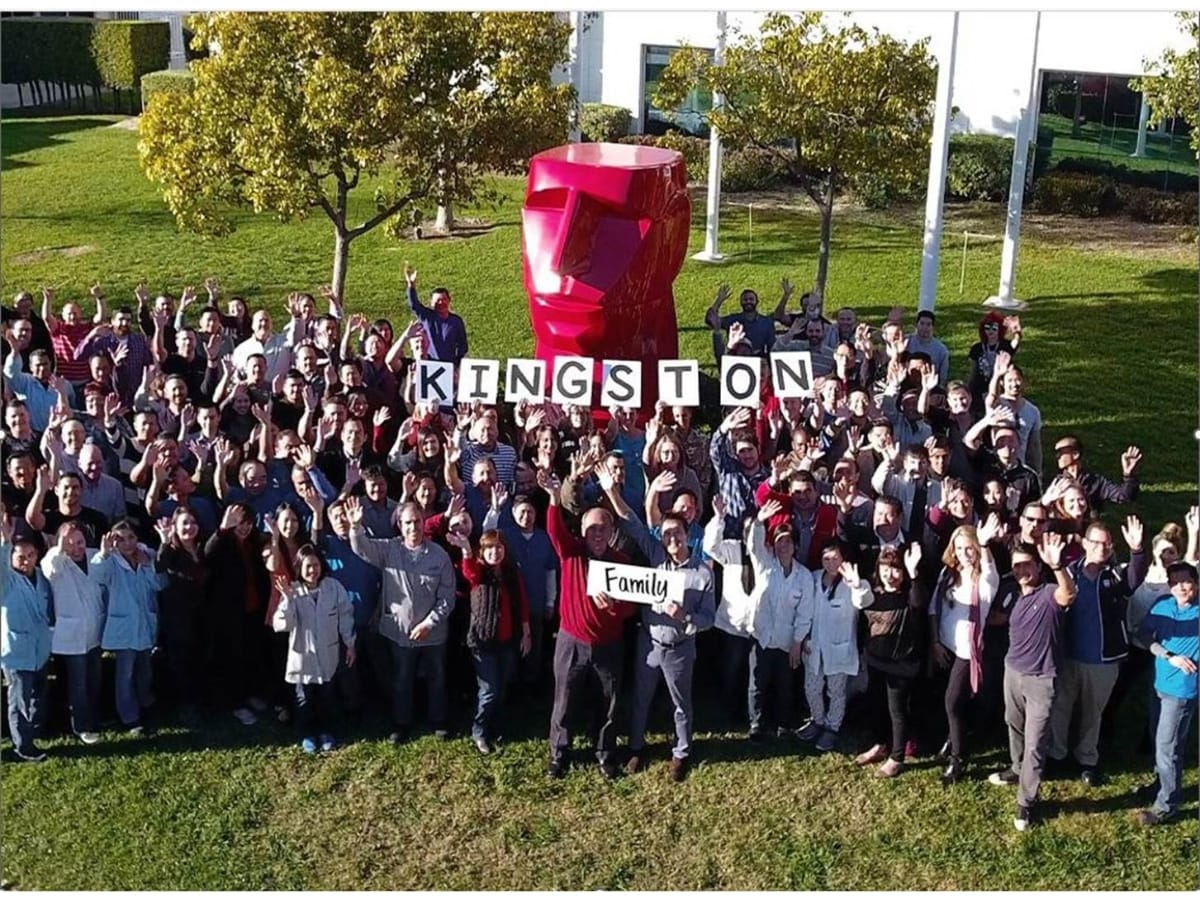
No leadership can last without strong operational support. With 2,980 employees worldwide, a global manufacturing and testing network, and a focused portfolio (memory modules, flash products, technology solutions, and logistics), Kingston paired capability with caution. Healthy inventories and long‑term supplier relationships give the company a buffer when demand shifts abruptly or component allocations tighten. Today, this stability even matters more when the memory market is dealing with multiple challenges like limited DRAM supply, growing NAND costs, and capacity being redirected to AI-driven HBM production, which have disrupted global availability. Kingston has demonstrated resilience through partnership strength by navigating these fluctuations and maintaining a steady supply through long-term supplier relationships and solid channel partnerships.
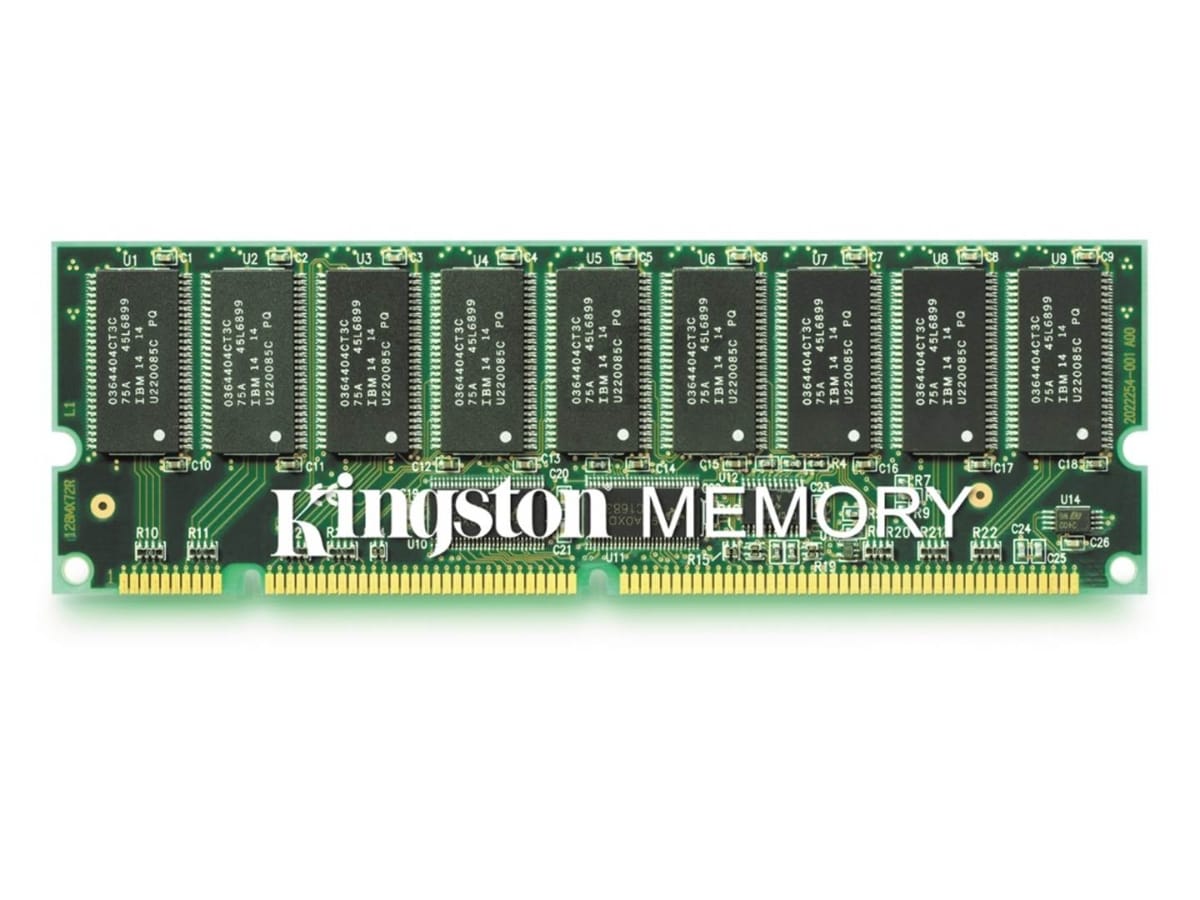
Kingston doesn’t just make memory- the strategy is to serve the full stack: from client to data‑center, from industrial to external storage, the company’s portfolio covers it all.
Kingston’s wide portfolio also gives it a practical advantage in future readiness for the AI era. Memory and storage remain foundational to AI: data must move faster; models need fast scratch‑space, and edge devices benefit from reliable, high-throughput storage. Kingston’s roadmap is planned for three to five years ahead, aiming to anticipate where computer and Input/Output will hit their next limit, and to build accordingly. The outcome for India’s businesses is fewer surprises when adopting AI at the edge, upgrading workstations for hybrid workflows, or scaling storage in distributed environments.
Leadership is easy to claim but difficult to sustain. That sets Kingston apart- it stayed true to its roots- the people-first philosophy that drives consistency in its operating model and produces reliability for partners and customers. In competitive categories, those links are hard to fake. As AI workloads diffuse and demand for memory and storage rises, expect Kingston to keep leaning on the same engine it started with in a garage: commitment to employees, to partners, and to building quietly for the long run.
Kingston has entered 2026 with strong momentum and a clear strategic direction. The company will continue shaping the evolution of memory and storage across India and the wider APAC region, supported by an expanding enterprise portfolio, AI-ready solutions, and a robust partner network. With these foundations in place, the company is well positioned not only to meet future demand, but to lead it. 2026 will mark the beginning of another confident phase in Kingston’s growth story.
The pages slugged ‘Brand Connect’ are equivalent to advertisements and are not written and produced by Forbes India journalists.
First Published: Jan 07, 2026, 15:44
Subscribe Now