How Budget 2026-27 could change your take-home pay
Explained: Slabs, deductions, TDS and the fineprint salaried taxpayers in India must track
By
Prefer us on GoogleLast Updated: Jan 28, 2026, 12:02 IST4 min
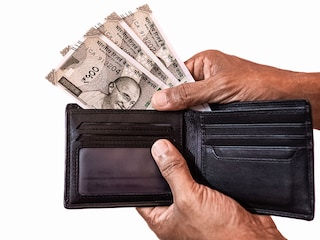
When Finance Minister Nirmala Sitharaman presents the Union Budget 2026-27 on February 1, the headline numbers will be about growth, fiscal deficit and spending priorities. But for India’s salaried class, the Budget’s most immediate impact is far more personal: From April, how much tax will deducted from the salary, and what’s the take-home.
This impact typically comes through changes to income-tax (I-T) slabs, the standard deduction, and the rules that determine what salaried taxpayers can claim as relief under the old and new I-T regimes. Budget choices can also influence real earnings indirectly, by shaping inflation and the cost of essentials. This means one's salary may feel bigger or smaller even if your payslip number remains unchanged.
This year, expectations are unusually high because Budget 2026-27 comes just weeks before the new I-T law framework sets in from April. Several tax experts believe the government may focus less on slab rewrites and more on making the system easier to comply with, especially for employees and employers managing tax deducted at source (TDS).
In Budget 2025-26, the government made a major shift for those choosing the new tax regime, by making income up to Rs12 lakh effectively tax-free through an enhanced rebate. This was up from the earlier Rs7 lakh threshold. This increased expectations that the government could finetune the structure further in this year's Budget.
Brokerage Motilal Oswall, in its pre-Budget expectations note for salaried individuals, flagged the point at which taxpayers enter the highest slab under the new regime as a key pressure area. It noted that, under the current structure, individuals earning above Rs24 lakh reach the peak 30 percent tax rate, and argues this happens earlier for Indian professionals compared with global peers. Its stated demand is to raise the 30 percent slab threshold from Rs24 lakh to Rs40 lakh, a change that it says could boost discretionary spending.
The old regime is still preferred by taxpayers who rely on exemptions and deductions such as:
Ahead of Budget 2026-27, a big question is whether the government tries to make the new regime more balanced by allowing select deductions or whether it continues to push simplicity as the trade-off.
For salaried households, that can matter as much as tax relief as stronger job markets can improve bargaining power over time.
A pre-Budget expectations survey conducted by Grant Thornton Bharat for Budget 2026-27, flagged the transition to the new I-T Act as a major “pressure point”, with respondents asking for a longer adjustment window with softer penalties, dedicated support channels, and early FAQs to reduce compliance risk.
On the personal tax front, the survey suggests salaried taxpayers still want changes to the new regime. Most respondents want the government to widen slab intervals or lower rates, while others want limited deductions or a progressive standard deduction linked to income levels.
Meanwhile, businesses want the government to prioritise clarity and predictable implementation rather than pile on fresh announcements.
Read Forbes India's complete Budget 2026-27 coverage here
First Published: Jan 28, 2026, 12:11
Subscribe Now