5 Ideas that Could Change Entertainment as We Know It
Technological innovations are changing the way we entertain ourselves
By
Prefer us on GoogleLast Updated: Feb 05, 2013, 06:52 IST4 min
1. Multi-screen media consumptionThe IdeaImagine this: On your smartphone you notice that a friend has shared the latest episode of Grey’s Anatomy. You start watching it, but then, realising your tablet is nearby, decide to watch it on the bigger screen. The episode seamlessly ‘transfers’ across devices, to the same minute you were watching. You get disturbed when something else comes up and forget about it. Later, you want to catch up on the remaining part of the episode, so you ‘send’ it to your LED TV at home.
This is the new ‘multi-screen’ experience that consumers will demand.
By When Will It Catch On?It might take another two to three years for Indian media companies to wake up to this new reality and realise that their revenue sources are consumers, not each of their devices.
Who Is Leading This? Unfortunately, most media companies are still laggards in this regard. It’s the device and networking companies like Cisco, Samsung and low-cost phone component maker MediaTek that showed off their own solutions at CES 2013, the biggest consumer electronics show in the world.
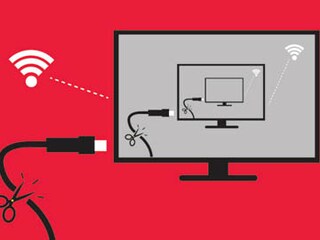
2. Cable TV out, Media on Internet in
By When Will It Catch On?This is already a trend abroad. Reuters estimates that 400,000 American families “cut their cord” in the first seven months of 2012. In India, it remains a fringe trend primarily due to the lack of quality web-only channels like Netflix, Hulu or Amazon Prime that are available in the US. But that could change soon.
Who Is Leading This? In India, Zee Group’s Ditto, Mundu and Yupp offer TV channels over the web (they lack many popular channels currently) for monthly subscription fees, while Google’s YouTube is aggressively licensing entertainment and sports content to play for free.
3. Direct-to-consumers: Disrupting the traditional media distribution and financing models
4. From owning content to renting it
5. TV and social media in a continuous, symbiotic relationship
Working with Persistent Systems, an Indian IT firm, the show tracked messages on Twitter on a daily basis, classifying and rating each one, in order to arrive at a ‘pulse’ of its 400 million viewers across channels. The most important ones will find their way into follow-up radio shows done by Khan, future episodes and even to engage with government authorities who are looking for ways to solve the social and societal problems discussed in the show.
First Published: Feb 05, 2013, 06:52
Subscribe Now