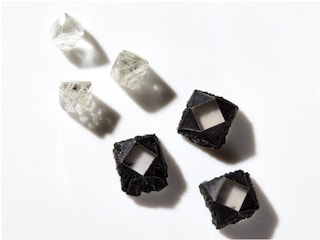
In the sparkling world of diamonds, laboratory-grown diamonds (LGDs) and natural diamonds stand worlds apart. While natural diamonds, created through the slow forces of nature over billions of years, symbolise rarity and timeless legacy, laboratory-grown diamonds emerge from factories, catering to fast fashion's demand. Yet, amidst greenwashing claims, the true value and impact of each remain fiercely debated.
Laboratory-grown diamonds are often marketed as sustainable, but their production is energy- and water-intensive. Carbon-neutral claims typically depend on offsetting rather than eliminating emissions, and “mining-free” messaging overlooks the metals and graphite needed for reactors. Additionally, while natural diamond mining supports large-scale employment and community development, laboratory-grown production is capital-intensive and generates far fewer social benefits.
The Looming Question of Greenwashing
Greenwashing—misleading claims about the environmental benefits of products—is a significant concern in the laboratory-grown diamond industry. Many brands emphasise their sustainability credentials without providing verifiable data (Natural Diamond Council, 2024). For example:
- Carbon Neutral Claims: Some companies say they’re carbon neutral, but they only count emissions from making the diamonds, not from other processes like cutting, polishing, or shipping (report).
- Eco-Friendly Narratives: Terms like “eco-friendly” or “carbon-negative” are frequently used without robust evidence. Studies show that the carbon locked in a single carat of laboratory-grown diamond is about 0.2 grams, equivalent to the emissions from sending one to two emails (report).Regulators worldwide are cracking down on these misleading practices. The US Federal Trade Commission (FTC) and the UK’s Competition and Markets Authority (CMA) have issued guidelines requiring substantiated environmental claims.
Laboratory-grown Diamonds: Innovation at an Environmental Cost
Beyond misleading marketing, it is equally important to examine the actual environmental cost of laboratory-grown diamond production. The eco-friendliness of laboratory-grown diamonds is far from straightforward. While they avoid the environmental issues tied to mining, their production can be highly energy-intensive, and in many regions, it relies heavily on fossil fuels. This complexity underscores the need to scrutinise sustainability claims carefully rather than accepting them at face value.
To illustrate further, laboratory-grown diamonds are manufactured using two primary methods: High Pressure High Temperature (HPHT) and Chemical Vapor Deposition (CVD).
- HPHT Process: This method mimics the natural diamond formation process by applying extreme pressure and heat. The equipment often relies on grid electricity, which, in major production hubs, is predominantly coal-based.
- CVD Process: CVD involves using high-energy microwaves to generate plasma for diamond growth. This process requires less pressure than HPHT but significantly more electricity, making it one of the most energy-demanding methods in laboratory-grown diamond manufacturing.
According to Sphera’s research, in India, where coal is a primary energy source, the carbon footprint of laboratory-grown diamonds can range from 260 kg to 612 kg of CO
2 per polished carat in regions relying on coal-based electricity. This highlights how energy reliance significantly impacts their environmental profile.
The hidden cost of laboratory-grown diamonds extends beyond electricity. Their production needs large amounts of water to keep machines cool, sometimes in areas already facing shortages. Reactors also rely on mined materials like graphite and nickel, meaning the “mining-free” label often used in marketing does not reflect the full reality (report).
Viewed collectively, the evidence indicates that the marketing of laboratory-grown diamonds as a simple, sustainable alternative can be misleading. For consumers seeking clarity, durability, and genuine ethical assurance, these diamonds raise more doubts than answers.
Laboratory-grown Diamonds vis-a-vis Natural Diamonds
A common misconception is that laboratory-grown diamonds are automatically more sustainable than natural diamonds. As the analysis shows, this assumption is not entirely accurate. While the natural diamond industry operates under established frameworks such as the Responsible Jewellery Council, laboratory-grown production often lacks consistent regulatory oversight, creating uncertainty around its ethical and environmental claims. Both sectors face challenges, which makes it important for consumers to rely on verified information before making choices.
Beyond their symbolic value, natural diamonds are now tied to a growing emphasis on responsible production and environmental stewardship. Producers are adopting renewable energy, enforcing conflict-free sourcing, and strengthening certification systems. Their efforts go beyond compliance, extending into community development projects such as the Wonderbag, which uses carbon offset funds for local growth, and CarbonVault, a De Beers initiative that explores carbon storage in kimberlite. Resource management has also become a priority, with 99% of waste material consisting of rock and 84% of water being recycled. By following international frameworks like ISO 14001 and the GRI Mining and Metals standards, the industry underscores its commitment to transparency, accountability, and long-term sustainability.
Beyond environmental efforts, natural diamonds carry intrinsic value rooted in rarity and origin. Formed over billions of years, they are often regarded as symbols of authenticity and enduring worth. Unlike laboratory-grown diamonds, which can be manufactured at scale, natural diamonds derive their appeal from limited availability and the geological story they embody.
Taking the Right Call
Given these contrasting realities, what should consumers look for when deciding between laboratory-grown and natural diamonds? To navigate the diamond industry, consumers should:
- Verify AuthenticityBefore buying a diamond, it is essential to confirm that it is natural and not man-made. Always request an official grading certificate from recognised institutions such as the Gemological Institute of America (GIA) or the International Gemological Institute (IGI). These reports provide complete information about the diamond’s qualities, including its carat, clarity, cut, and colour. They also verify that the stone has undergone scientific testing to confirm its natural origin. A certified diamond not only carries greater value but also gives the buyer peace of mind that the purchase is genuine and transparently assessed (report).
- Confirm Ethical SourcingAn ethically sourced diamond reflects care for people and the planet. To ensure that your diamond has not funded conflict or exploitation, look for certification under the Kimberley Process, a global initiative supported by the United Nations. This certification guarantees that the diamond was traded through legitimate, conflict-free channels. Responsible jewellers are open about their sourcing and can share the journey of the stone from mine to market. By choosing diamonds that meet these standards, buyers contribute to fair labour practices and more sustainable mining communities (report).
- Ensure TransparencyTrue transparency in the diamond trade comes from traceable and responsible practices. Some jewellers now use advanced digital systems such as De Beers’ Tracr™, which uses secure technology to track a diamond’s path across the supply chain. Others hold accreditation from the Responsible Jewellery Council, showing compliance with international standards for ethical business conduct and environmental responsibility. Selecting diamonds from such sources helps build trust, supports fair practices, and ensures that every step of the diamond’s journey is accountable and verifiable (report).
Conclusion
Greenwashing in the diamond industry reveals the gap between marketing promises and measurable outcomes. Transparency must go beyond slogans, with companies providing verifiable data and accountable practices. For consumers, this means questioning provenance, energy use, and the credibility of sustainability claims. True sustainability will emerge not from polished narratives but from demonstrable action and accountability across the sector.
Disclaimer
Data & Images courtesy by Natural Diamond Council