Team Flipkart: Leading from the front
Flipkart’s leadership team on tackling complex challenges, innovating with AI and tech, and building a robust business
Last Updated: Feb 26, 2026, 12:08 IST13 min

Key tenets of leadership at Flipkart
Domain knowledge and inspiration and cultural role modelling are extremely important, especially at higher levels. The culture tenets of leadership at Flipkart focus on audacity, bias for action and founder-owner mentality. We evaluate potential leaders using globally validated psychometric instruments that help us understand whether the candidate is a good fit for the organisation and vice-versa.
Internal elevation versus external appointments
Data tells us that both internal and external candidates are excellent choices. While the former has the advantage of familiarity with the organisation’s culture, the latter brings diversity. We have a strong new leader assimilation programme in place at induction level and when the leader completes a quarter. More than a third of our leaders have rotated roles within the organisation over the last few years.
On preparing for an IPO
An IPO is a significant milestone, but it is just that on a longer journey. There is work to be done from a readiness standpoint to continue to strengthen the governance and reporting framework, making sure that we know we are enabling leadership capabilities to manage investor and board relations, and so on.
Balancing innovation with compliance
The Flipkart I joined from Walmart was a startup focussed on attacking the problem statement first and then looking at what solutions can be executed and what can’t be done. Today we do sandbox for innovation, and the leadership meets periodically to check if we are sacrificing speed for governance and how can we do away with different hoops or layers to fast-track innovation.
Inclusive compliance
As a marketplace, we work with MSMEs and small sellers, and some compliances are a cost to these smaller players. For example, when we decide to do away with plastic packaging, the cost of logistics for the smaller players goes up. Some of the compliances will happen over time, while we, as a marketplace, can encourage brands working with circularity.
On IPO
One of the benefits of having Walmart as a partner is that we’ve become a publicly listed grade entity when it comes to governance. For example, there are certain disclosure norms which are local in nature and needed for them to operate in India, and we comply with those. But again, the proof of the pudding is in the eating.
On Quick Commerce
Quick commerce fulfils core customer needs: Convenience and quality. A customer’s first need is convenience—can I get it delivered quickly, anywhere between 10 and 30 minutes. The second is quality—is it authentic, is it the best and is it safe for my family? Minutes helps us fulfil every daily need with trust, superior quality and convenience. We already have 300 to 500 million annual active users, and we were not supplying them vegetables, dairy, bread, eggs.
On minutes’ differentiator
First, think of it as a go-to market channel, not a separate model. Second, start with the customer. Third, solve the right need state. For us, it is daily essentials and vegetables—our average basket has six to seven units of which four to four-and-a-half are fresh. Another differentiation is that we are Flipkart—we can give you a mobile, electronics, home décor, toys, all in 15 to 20 minutes. Around 80 percent of mobile electronics selection in your locality moves through Minutes. It’s a strong execution game—extremely relentless. And we make sure that all our experience from other businesses—running warehouses, line haul, last mile—is embedded to make this far better. Technology helps make us predictable and efficient.
On supply chain
We get produce from farm to shelf within 12 to 24 hours, and from there another six to eight hours to the fork. Everything moves through a cold chain and is handled in a controlled environment. Our supply chain ability, existing facilities and large seller base help us stay competitive because we also fulfil through the core Flipkart channel. Flipkart’s strength unlocks disproportionate value. Fresh vegetables start at `9. A lot of infrastructure can be common—one channel gives next-day delivery, another 15-minute delivery.
On unit economics and efficiency
We look at the entire value chain—how efficiently the truck is loaded, how full a box is, whether we can move items in cases. Every vehicle has a digital lock—we aim for zero losses. Each item is picked in 15 seconds. The picking app is intuitive—even my nine-year-old daughter learnt it in 15 minutes. In two minutes, six to seven items are picked. Last mile is about density. You keep the radius to two kilometres, electrify the fleet and support riders. Vegetables must reach the dark store before 5 am; by 6 am, orders start. Availability is non-negotiable. Technology improves predictability—heavy‑saliency items are kept close. If picking takes 12 seconds today, tomorrow it can be 11 or 8.
On Flipkart’s evolution
Flipkart has gone through an evolution. When we started, we were a startup; today, we’re a corporate. Over the years, while we’ve retained our nimbleness and agility, we’ve also built stronger systems, processes, leadership and talent. From a governance standpoint, we’ve continued to strengthen year after year. We’ve built a great leadership team, including strong finance professionals from varied backgrounds.
On expense control
Expense control is something finance always drives. The question is: How do you drive productivity and eke out more efficiencies in the value chain?
In supply chain, for example, how do you lower distance travelled? Distance and speed directly impact cost, but you also want reliability. Then there’s re-imagining network design—reducing touchpoints so that the journey becomes more cost effective. Space productivity matters and so does improving margins across the value chain. Monetisation is another lever: Increasing ads income, improving realisation through advertising, and so on.
On turning into an AI-native organisation
We’re integrating AI into mainstream functions. In customer service, it’s about enhancing experience, not reducing it. Self-serve systems and agentic flows will make retrieval of information faster. You won’t need to give order details—an agent can pull everything instantly. Even reconciliation, vendor reconciliation, becomes automatic. Traditionally, you sit line by line. With AI and agentic flows, this is much faster. You don’t want to fully surrender to AI, especially when there can be bugs or hallucinations. What you want to eliminate is the mundane activity—downloading Excel sheets, doing look ups. These activities are not exciting and don’t contribute to business partnering or planning. The idea is to free people from mundane work and allow them to focus on value-added work.
On returns from AI investments
It’s still early days. AI needs to be part of your culture—something the organisation embraces. Even globally, it’s early. Startups are innovating, but you need to ensure what they provide is robust because you’re embedding these tools into your workflows. So it’s still a discovery process. But we are definitely building some of it internally through our engineering teams. Wherever we can, we partner—there’s a world out there solving many of these problems. There’s no point rebuilding everything in-house.
On key revenue drivers
Across the platform, growth is horizontal. Fashion, beauty and general merchandise continue to do well. Hardlines—mobiles, electronics, large appliances—are seeing good momentum. But hardlines already have higher online penetration. Categories with lower penetration—fashion, beauty, general merchandise, toys, diapers, home—are seeing strong growth in unit volume, customer growth and top line. A key focus area is grocery and Minutes. Quick commerce is the talk of the town. We believe we should focus on where customers see value—convenience and faster service. It’s not about ‘10 minutes’; it’s about offering faster service. If customers want it, we need the right assortment.
On profitability ahead of the IPO
The IPO is not a destination. It’s a milestone. The Flipkart legacy will continue for decades. It’s a natural step—any private company over time would want to go public. Given the economic environment and our internal fundamentals, we are moving in the right direction. But specific profitability targets are not numbers we’re sharing. We’re marching along where we need to be.
Also Read: What happens after an IPO is more important: Flipkart CEO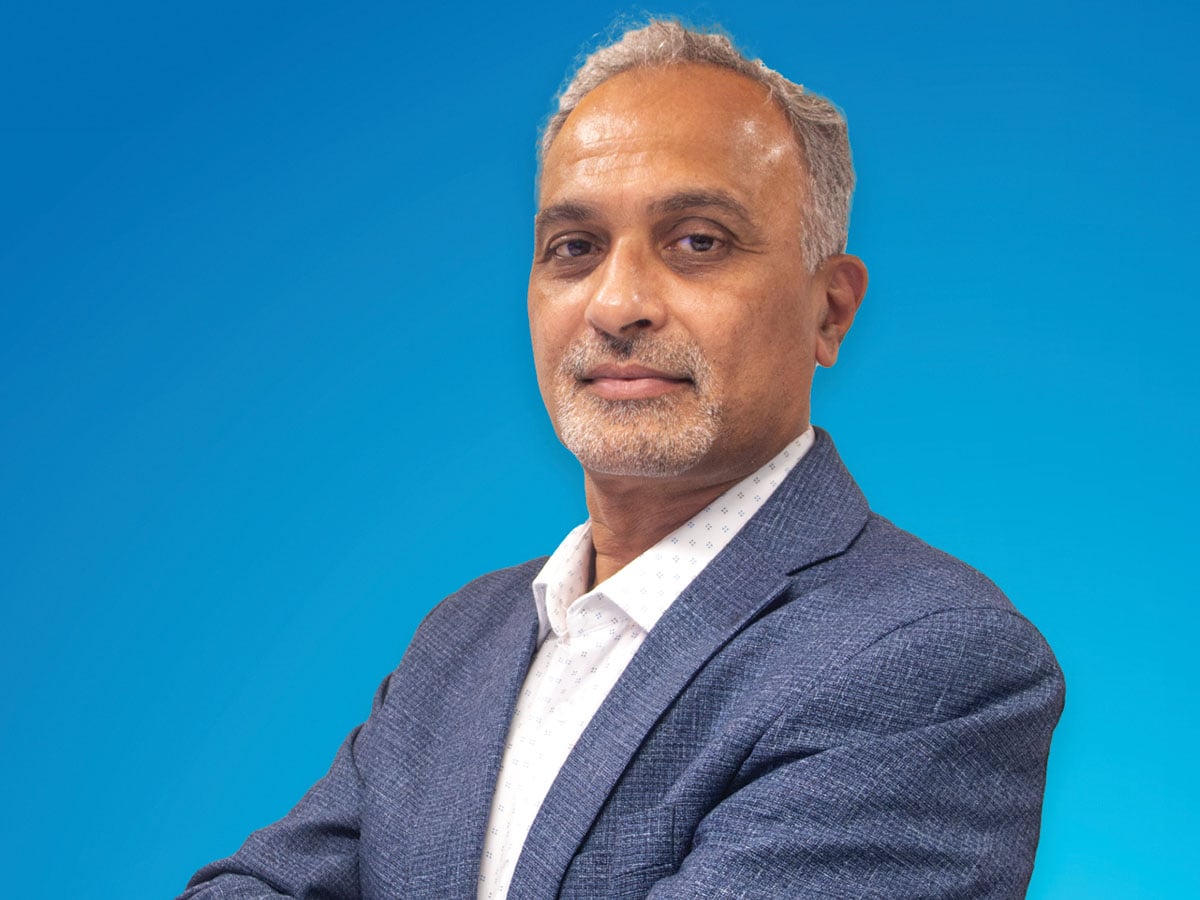
On AI integration across verticals
Our goal is to be an AI-native organisation across our customer journey, seller journey, marketplace operations and business operations. And that is the way we develop our products. We have built an AI Foundry, which is a factory of intelligent services and agents within our systems, or as virtual assistants and co-workers to drive efficiency and deeper insights. Outside of this, we also use AI to create feeds for Gen Z consumer experience, hyper personalisation for our hyperlocal business, improving speed through supply chain optimisation, demand forecasting and inventory management, among others.
On shopping assistant SLAP
We have launched Shop-Like-a-Pro (SLAP), an experimental product around conversational commerce. It is bringing a lot of important insights into how technology should work. Through SLAP, we are trying to understand how to deploy AI across an ecosystem—for consumers, sellers, internal operations. The idea is to use AI for conversational experience, and it must be an intelligent virtual agent which can provide personalised recommendations rather than just being a reactive agent.
On hiring technology talent
We need people at different levels who understand scale and specific domains. For example, if you are in supply chain, do you understand consumer behaviour? For new entrants, we look for great analytical and problem-solving skills; for those with industry experience, we look for talent with domain expertise and ability to innovate.
Building a marketplace for Bharat
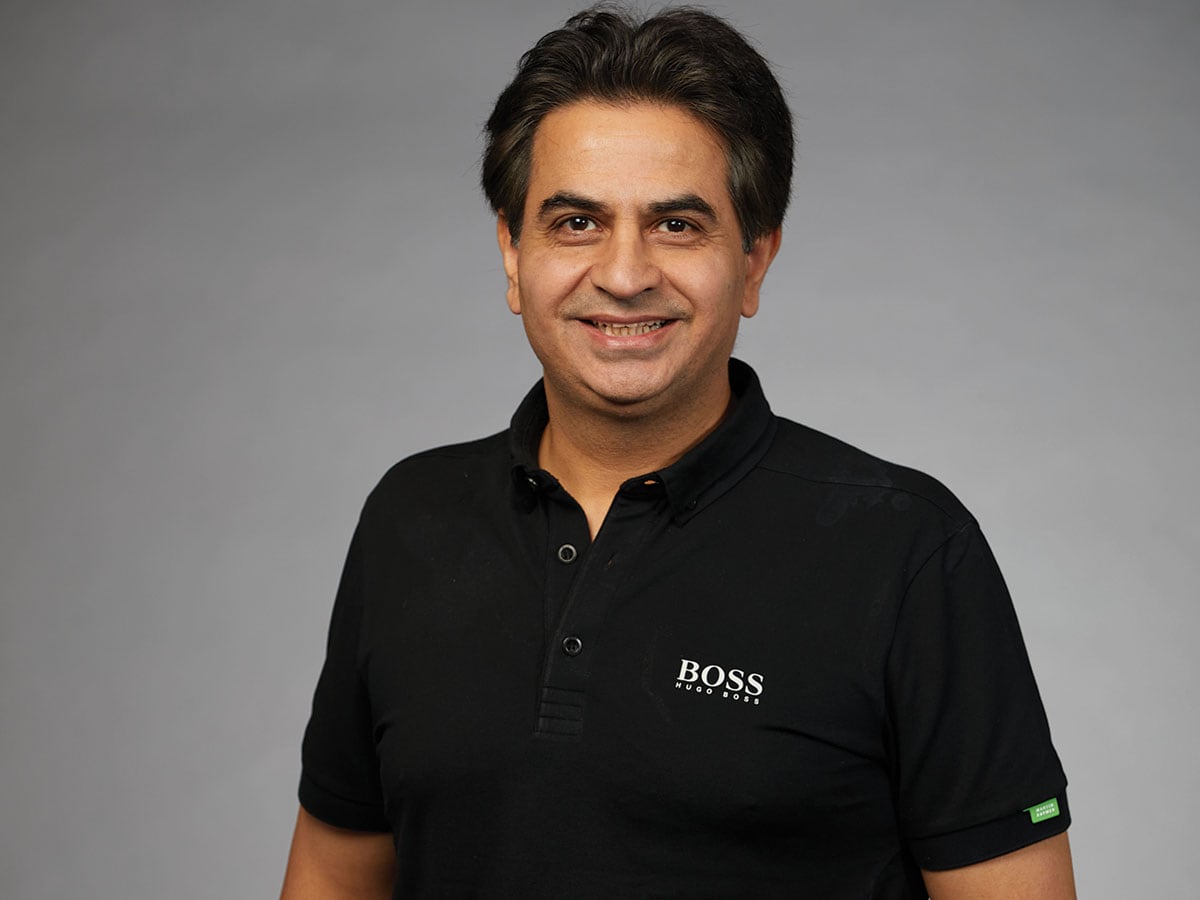
Our marketplace should have an infinite selection for customers at every price point. Customers in Tier II, III and beyond are aspirational. We want to have a selection for them even when they are upgrading to a higher price point. We believe Gen Z as a cohort is also growing fast and we want to be there when they upgrade. Shopsy is our value-platform, and we offer sellers on it a lot of skills so that they can manage the price.
Sourcing genuine products
Over the last few years, we have improved a lot technologically. We have enabled ways in the last four to five years to make sure that we ask for brand certifications and brand authentication. However, when a new seller creates their own label, we also need to protect them, and we bring the concept of trademarks and make sure no one else copies them. There will always be challenges, given the number of sellers we add every month. But we are working tirelessly to build a six-sigma marketplace.
On driving profitability
I am a big believer that scale and technology can create wonders in the world. Some of our costs to serve in the supply chain are balanced by scale. Technology helps us automate processes and we do not focus on just getting efficient; the main trend is how do we get to the customer faster. We have helped sellers automate a lot of their work. For example, when it comes to filling in rate cards… it has been automated, so that they can do more business on the platform.
Flipkart fashion versus Myntra
The value proposition for Myntra and Flipkart are vastly different. Nearly 60 percent of Flipkart Fashion’s shoppers are in Tier II-plus cities while the remaining 40 percent are in metro cities. This number flips for Myntra, but the centre of gravity is different for both.
Flipkart fashion has an engaged audience, with high frequency of purchase. For this we have been able to build access through brands and seller partners, discovery tools, Indian languages, enabling voice and image search, and looking at search contextually. For example, the word “party dress” has different connotations of modesty, fashion etc, depending on the region. Some people call it gowns. So, we must get that nuance.
Gen Z cohort
Gen Z is the fastest-growing cohort on Flipkart Fashion and will become the largest in a few months. The cohort has grown up with online [habits], and there is no divide between how they consume music, art and cinema. There is no divide between global and local. The challenge is to bring the right selection of trendy products at the price point Gen Z can afford. If certain material like Korean-inspired crochet is taking off, we value-engineer it within the price point.
AI at Flipkart fashion
We use AI to make shopping for fashion predictive, exciting and risk-free for our shoppers. On one hand, AI-led insights help curate a dynamic selection, including immersive experiences like augmented reality, virtual reality, virtual try-ons for fashion and beauty. On the other, the tech enables inventory decisions for sellers by predicting what is in trend.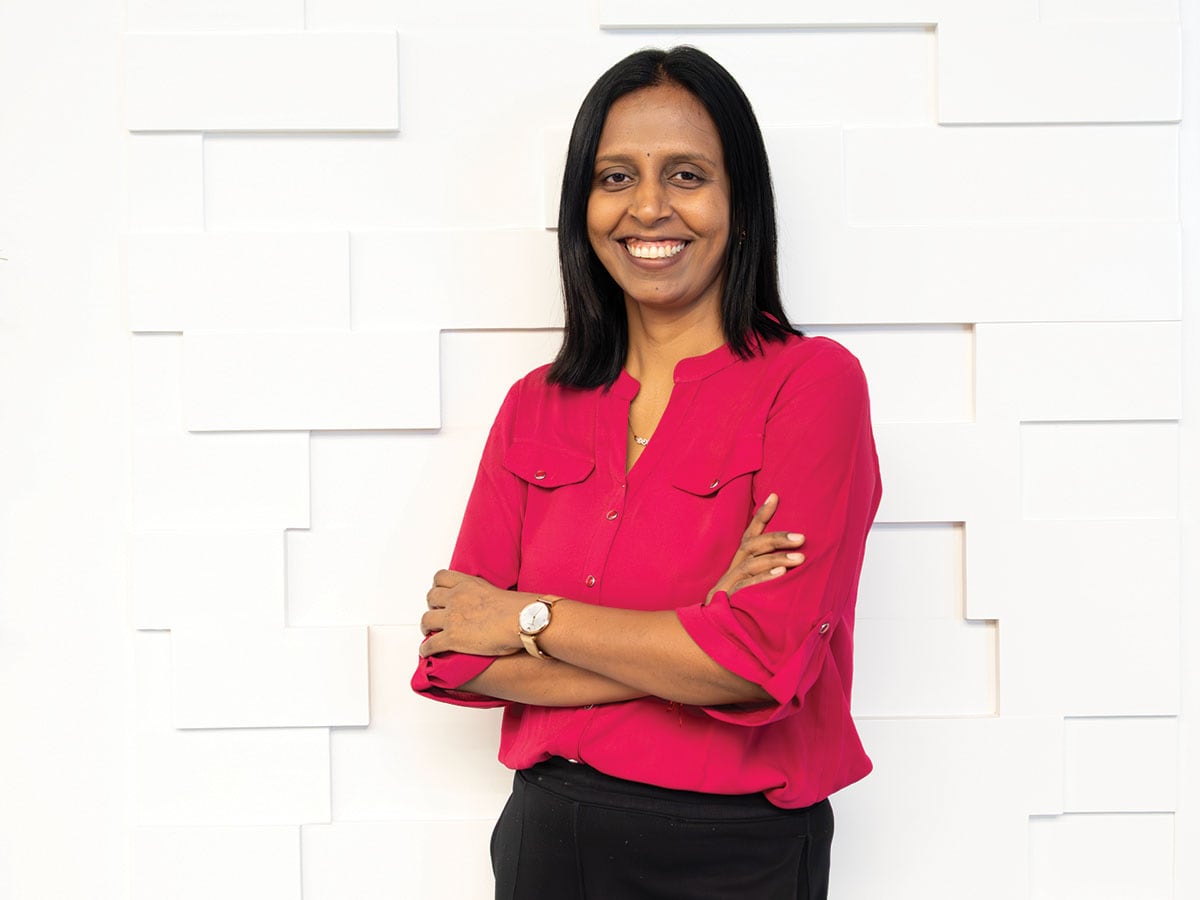
On building a third-party logistics play
Initially, eKart was built to support and scale Flipkart’s operations. Today, it serves Flipkart and Myntra since we have a common supply chain, as well as logistics demands from B2B and B2C needs for brands. We are a full-stack third-party logistics provider and offer services, including warehouse-as-a-service. The turnaround came about after the pandemic where we saw that the supply chain was fragmented for many of the D2C brands and retailers.
Building quick commerce capabilities
Since we launched in August 2024, Flipkart Minutes has shown strong traction and brought in 53 million unique visitors. We closed 2025 with 16-times growth and have entered cities beyond the metros, including Kanpur, Mohali, Hajipur, Asansol, Durgapur. We have made 10-minute delivery accessible in Tier II and III centres. For us, quick commerce is a form of fulfillment, and we have grown it over core capabilities. In the last few months, we have enabled over 200 regional and digital brands to scale via Flipkart Minutes, offering them real-time inventory and last-mile capabilities. For Flipkart Minutes, we have built micro-fulfilment centres, fresh supply chains, cold supply chains, and are building sustainability with EV-led deliveries.
Gig workers on the rolls
We focus on directly sourcing the last-mile delivery network, rather than going through a vendor, to eliminate middlemen. For quick commerce expansion, we are also leveraging our existing capabilities in cities like Muzaffarpur or Kanpur, building in efficiencies. For this, people prefer to work with us directly and stay on for employment policies and earnings. We are leveraging best practices from our ecommerce operations and have avoided non-availability of wish masters (last-mile delivery personnel).
Flipkart travel versus Cleartrip
We have been able to carve out niches for both and they don’t cannibalise each other. The Flipkart travel business is dominant in Tier II, III towns with 60 percent of the incremental first-time travellers coming from these geographies. It is also backed by regional airports. Cleartrip remains metro-focussed, and for people with higher travel affinity. Overall, travel totals nearly 8 percent of the group-level GMV (gross merchandise value) and contributes to nearly 1.5 percent incremental growth to the organisation.
Attracting Gen Z users
A critical goal for both Flipakrt and us is to be attractive for Gen Z users. The Gen Z cohort from Tier II, III cities are first-time travellers, and they care about new experiences, often led by influencers or they are influencers themselves. We are working actively on launching holidays and unlocking unique experiences. We are also deploying AI to grow this segment—for example, to travel on the cheapest days in March to Goa. How do we reduce 30 to 40 searches down to a single click is what we are working on.
New products
Our primary goal today is to wgrow at 2x of Flipkart to bridge the gap with the largest player in the industry. The second priority is growing the bottom line and getting to profitability. We are also working on scaling our hotels and international travel businesses. We are going to launch bus and train tickets, especially with value-added services like confirmation, meals at the seat, etc which is where the margins are.
First Published: Feb 26, 2026, 13:38
Subscribe Now