Union Budget 2026-27: When and where to watch it live
Check date, timing, and where to stream Finance Minister Nirmala Sitharaman's Budget speech
By
Prefer us on GoogleLast Updated: Jan 31, 2026, 15:21 IST3 min
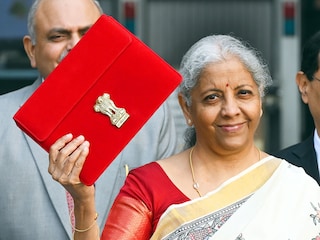
Finance Minister Nirmala Sitharaman will present the Union Budget for financial year 2026-27 (FY27) in Parliament on February 1. The speech, which marks her ninth consecutive Budget presentation, will outline the government’s tax proposals, spending plans and fiscal strategy for the year ahead.
The Union Budget is the government’s annual financial statement. It sets out how much the Centre plans to spend and earn in the coming financial year, along with tax proposals, borrowing plans and sector-wise allocations.
Presented in Parliament by the Finance Minister, the Budget includes changes in direct and indirect taxes, spending on infrastructure and welfare programmes, and the government’s fiscal deficit and debt targets. After the speech, detailed documents are tabled and later voted on by Parliament through the Finance Bill and Appropriation Bill.
Follow for live updates: Union Budget 2026-27 Live Updates: FM Sitharaman's Budget speech today
Most news websites will also carry live blogs and real-time highlights alongside the official video feed.
Live updates can also be followed on the Forbes India website during and after the speech.
What is the Economic Survey?
The Economic Survey is a pre-Budget report card on the economy, prepared by the Finance Ministry’s Department of Economic Affairs. It reviews growth, inflation, trade, investment, jobs and public finances in the current year and outlines key risks and trends.
It does not announce policy or tax changes but provides the data and analysis that set the context for the Budget. The Survey is usually tabled in Parliament a day or two before the Budget speech.
India’s total exports stood at about $825 billion in FY25. In the first nine months of FY26, merchandise exports grew 2.4 percent year on year, while services exports increased 6.5 percent. The services surplus helped keep the current account deficit at around 0.8 percent of gross domestic product in the first half of FY26.
The Survey reported volatile portfolio flows and a balance of payments deficit of about $6.4 billion in H1 FY26, funded through foreign exchange reserves. The rupee weakened against the dollar during the period, which it described as an orderly adjustment.
Gross foreign direct investment inflows increased year on year, though net FDI was partly offset by higher overseas investments by Indian firms. The Survey also cited ongoing trade diversification through agreements and negotiations with the United Kingdom, European Union, Oman, New Zealand and the United States, and flagged risks to remittances from tighter global immigration rules.
Read Forbes India's complete Budget 2026-27 coverage here
First Published: Jan 31, 2026, 15:21
Subscribe Now