No extension for SIM-binding deadline
Messaging platforms must link accounts to active SIM cards under November directions by February 28
By
Prefer us on GoogleLast Updated: Feb 26, 2026, 16:59 IST4 min
Communications Minister Jyotiraditya Scindia has said the government will not extend the deadline for SIM-binding directions issued to messaging platforms, keeping February 28 as the date for compliance.
The directions, issued in November 2025, require platforms such as WhatsApp to ensure that user accounts remain linked to the SIM card registered with the service and present in the device. They also require periodic logout from web-based access points such as WhatsApp Web.
“As of now, there is no thought on an extension,” Scindia said during a press briefing on Wednesday. He said the measures were introduced keeping national security and fraud prevention concerns in mind. The minister also clarified that the six-hour logout requirement applies to multiple connections such as web sessions, and not routine mobile usage.
The Department of Telecommunications issued the directions under the Telecom Cyber Security Rules framework, saying some communication services continued to function even when the SIM used for registration was removed, replaced or operated from outside the country. According to the ministry, this created risks of misuse by fraudsters.
Under the rules, platforms must ensure continuous linkage between the application and the SIM associated with the registered mobile number. Services should stop functioning if the SIM is not present in the device. Companion sessions, including web access, must be periodically logged out and re-authenticated.
The ministry has also said the requirement will not affect users travelling abroad if the registered SIM remains in the handset. “The direction does not affect the cases where the SIM is present in the handset and the user is on roaming,” it said.
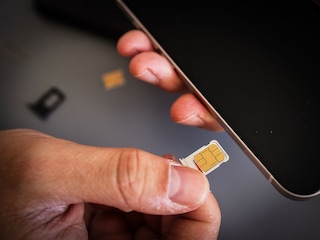
SIM binding means that a messaging account must remain connected to the SIM card used to register it. Currently, most messaging apps verify a user’s phone number only during the initial sign-up process. After that, the service can continue to work even if the SIM card is removed from the phone.
Under the new rules, platforms will need to check whether the registered SIM is active and present in the device. If the SIM is removed, replaced or inactive, the application must stop working until verification is completed again. The directions also affect multi-device use because users accessing accounts through computers or tablets may be required to log in again periodically.
Following the announcement of the policy, the Cellular Operators Association of India (COAI), which represents telecom operators, supported the move in a public statement and described it as a “landmark” step for strengthening national security and reducing fraud risks.
Lt Gen S P Kochhar, director general of COAI, said continuous linkage between applications and SIM cards would improve accountability and traceability in digital communications and help curb misuse.
“SIM binding is a security feature that enables independent validation that the credentials of the user making the payment and the credentials of the user on the app are the same,” Vivek Iyer, partner and financial services leader, risk advisory, Grant Thornton Bharat, tells Forbes India. “Given the convenience to use multiple IDs from messaging apps, tracing customers to payments becomes challenging, leading to potential money laundering opportunities.”
Iyer said messaging platforms may face short-term disruption because of customer inactivity, but the long-term impact could be positive if stronger security improves trust and retention. “SIM binding will cause pain to messaging apps in the short term, but the long-term impact will be positive as only sticky customers will stay,” he said.
Other stakeholders have raised concerns about the impact on users and businesses.
TV Ramachandran, president of the Broadband India Forum (BIF), tells Forbes India that the organisation is opposing the requirement because of legal, technical and consumer impact issues. He said the measure could affect small businesses and users who rely on messaging platforms across devices and networks. “You can’t do it. It goes against data growth,” Ramachandran says, adding that many businesses operate across smartphones, tablets and Wi-Fi connections using the same number. Restricting usage to SIM presence could disrupt these models, he says.
He also questioned the legal basis of applying telecom regulatory provisions to over-the-top communication platforms and argued that fraud problems often originate earlier in the ecosystem, including SIM issuance practices.
Meta, WhatsApp’s parent company, has earlier conveyed concerns through industry bodies that such requirements could disrupt common communication practices, including the use of secondary devices or connectivity while travelling. WhatsApp itself has not made any public statement on the SIM-binding rules. However, media reports have indicated that the company appears to be testing features related to the SIM-binding compliance. Test versions of the application reportedly include prompts indicating that WhatsApp may check whether the SIM card linked to a user’s account is present in the device, in line with Indian regulatory requirements.
The platform is also facing legal scrutiny in India. Earlier this week, WhatsApp told the Supreme Court that it does not share user data with other Meta platforms and that its technology prioritises privacy, during hearings related to a competition case involving its 2021 privacy policy.
According to research platform Sensor Tower, WhatsApp recorded 835 million daily active users in India between January 23 and February 21, making it the most used app in the country. India is also WhatsApp’s largest market globally, with more than 850 million users.
With the government ruling out an extension, messaging platforms are expected to comply with the SIM-binding directions by February 28.
First Published: Feb 26, 2026, 17:06
Subscribe Now