Auto rebound faces new roadblock as Mexico slaps tariffs
Industry experts call for a diplomatic solution as nearly $2 billion of exports at stake
Last Updated: Dec 12, 2025, 15:51 IST2 min
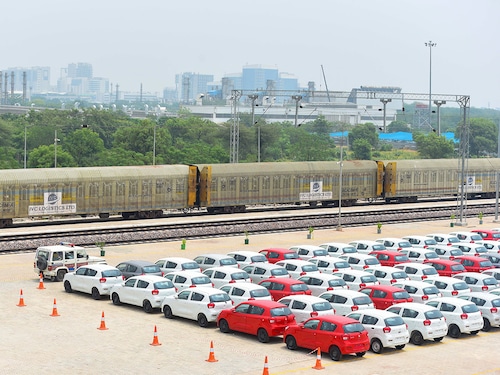
The auto industry, which had only just begun to accelerate after a government cut in indirect taxes, is confronting another threat—this time on exports. Mexico, which buys nearly one in every four passenger vehicles India exports, plans to impose tariffs of up to 50 percent on cars and components from countries without a free-trade agreement, which include India.
Duty rate is 15 percent for passenger cars currently and 0-20 percent for auto parts. The new tariffs come into effect from January 1, 2026.
India shipped about 194,000 passenger vehicles to Mexico last fiscal year, worth almost $2 billion, according to Saharsh Damani, CEO of the Federation of Automobile Dealers Associations (FADA).
“It will have potential adverse impact on Indian auto components manufacturers as they send child parts to Mexico for making assembly which is supplied to the US and other countries,” says Saurabh Agarwal, partner & automotive tax leader, EY.
Calling the duty “exorbitant”, Puneet Gupta, director, S&P Global Mobility, said this will erode India’s cost competitiveness and deal a major setback to both vehicle and component manufacturers.
Also Read: Festive season drives auto sales, Toyota and Honda lead car sales surge
“A 50 percent tariff imposed by Mexico is untenable and no OEM or supplier can realistically absorb such a steep duty. The only viable path to resolution is through strong diplomatic engagement. This move will significantly disrupt volumes for the OEMs and suppliers who rely on Mexico, forcing them to redirect and absorb production within India to cushion the blow.”
Gupta also questioned the timing of the announcement. “The new tariffs take effect from January 1, right after the Christmas shutdown period, leaving virtually no reaction time for the industry.”
Maruti Suzuki, India’s largest exporter, ships as many as 70,000 cars a year to Mexico — including the Baleno, Swift, Dzire and Brezza — accounting for roughly a quarter of its outbound volume, according to FADA’s Damani.
Hyundai dispatches another 25,000 to 30,000 units. Volkswagen’s India operations send even more, about 55,000 to 60,000 sedans and compact SUVs. Nissan ships several thousand Magnite units, sold in Mexico as the Kicks.
Two-wheeler makers will feel the squeeze as well. Bajaj exports up to 50,000 motorcycles annually to Mexico, and TVS, Hero MotoCorp and Royal Enfield send thousands more.
EY’s Agarwal says the moment can be a catalyst for long-term resilience. The uncertainty underscores the critical need for a considered shift away from hyper-concentrated supply chains and explore alternative export markets, he says.
“The industry must use this turbulence to accelerate the structural reimagining of their sourcing and manufacturing footprints.”
He said the industry can look at shifting manufacturing base to countries like Canada, Switzerland, and transpacific countries having FTAs with Mexico like Australia, Japan, New Zealand, Singapore, Vietnam, and Malaysia.
First Published: Dec 12, 2025, 16:01
Subscribe Now