India eyes 50% debt-to-GDP ratio: Why it matters
Analysts maintain that achieving the 50 percent threshold is contingent on a two-pronged strategy
By Samreen Wani
Last Updated: Feb 02, 2026, 18:09 IST2 min
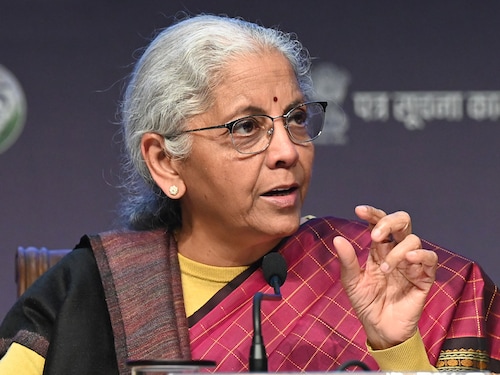
Finance Minister Nirmala Sitharaman’s 2026–27 Budget on Sunday shifted focus from the fiscal deficit to the debt-to-GDP ratio. The government aims to reduce this ratio to 50 percent by FY31, with a margin of plus or minus 1 percent.
While India’s focus on the debt-to-GDP ratio, a key repayment indicator, aligns with international benchmarks, analysts suggest the 50 percent target is attainable, provided the fiscal deficit is trimmed to 3 percent and nominal GDP growth remains between 11 and 12 percent, particularly following the GDP base year revision.
Dipti Deshpande, Principal Economist, Crisil Limited, says that even though debt reduction relies on multiple factors, nominal GDP growth is as vital as fiscal consolidation. “The government has set a five-year-end debt target, which will give it a buffer to support growth in years of heightened shocks,” she adds.
India has already made meaningful progress on the fiscal front. The debt-to-GDP ratio of 56 percent in FY26 (revised estimates) is expected to fall further in FY27 to 55.6 percent. This marks a decline from the 61 percent peak hit during the pandemic years. The FY31 target is crucial, as a lower debt-to-GDP ratio increases fiscal space, reduces borrowing costs, improves credit ratings, and attracts foreign investment.
Madan Sabnavis, Chief Economist at Bank of Baroda, notes that while bringing down the debt-to-GDP ratio remains the primary objective, the fiscal deficit serves as the essential policy instrument to achieve it.
India’s debt consolidation success also depends on strong growth, since higher GDP naturally reduces debt ratios. The FY26 advanced growth estimates show 8 percent nominal GDP growth—far below the 10.5–11 percent long-term average. Capital expenditure and reforms can boost real GDP growth beyond its decadal trend while keeping inflation on track, says Deshpande.
While the FY 2026–27 Budget projects 10 percent nominal GDP growth, Deshpande observes that hitting the 50 percent debt-to-GDP target will require a significant acceleration in the subsequent four years. To succeed, average growth between FY27 and FY31 must rise to approximately 10.5 percent, placing heavy reliance on the final years of the decade.
Assuming an aggressive growth trajectory, “If nominal GDP growth rises by ~100 basis points above the current trend to 11.3 percent on average over the next five years, then the fiscal deficit could be reduced more gradually to 4.2 percent of GDP by FY31,” Deshpande explains.
Even as the headline ratio trends downward, debt itself isn’t getting any cheaper. For the second consecutive year, growth in interest obligations is projected to exceed GDP growth in FY27.
India’s interest payments are expected to exceed ₹14 lakh crore for the first time in FY27, growing at 10.2 percent over the revised estimates of FY26. At 3.6 percent of GDP, these payments have reached their highest level in a decade.
Read Forbes India's complete Budget 2026-27 coverage here
First Published: Feb 02, 2026, 18:09
Subscribe Now