India Inc cheers US trade deal as tariffs fall, certainty rises
Business leaders say lower levy of 18 percent and clearer rules will unlock investment and exports
Last Updated: Feb 03, 2026, 13:52 IST4 min
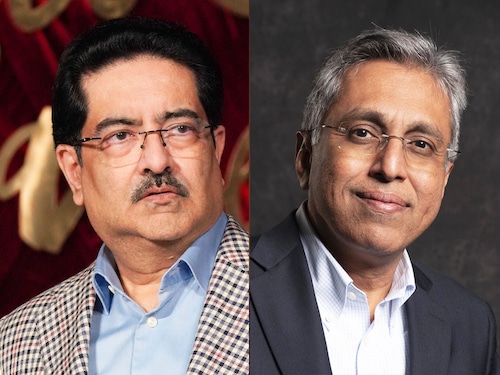
India Inc welcomed the India-US trade deal, calling the agreement a long-awaited reset that lowers costs, sharpens export competitiveness and restores predictability for companies with global ambitions.
The US late on Monday lowered the “reciprocal tariff” on India to 18 percent from 25 percent currently and waived the additional 25 percent punitive duty for buying Russian oil.
Kumar Mangalam Birla, chairman of the Aditya Birla Group, said the reduction in tariffs would strengthen both strategic and economic ties between the two countries. “It also provides additional opportunity for investment and collaboration,” Birla said in a statement.
The conglomerate, which has invested more than $15 billion in the US, is India’s largest investor in the world’s biggest economy. Birla said the agreement would help shape more resilient supply chains, unlock manufacturing opportunities and drive long-term economic competitiveness in both the US and India. “We are committed to expanding our presence and investments in the US, where we see substantial opportunities for innovation, growth and enduring partnerships,” Birla said.
Mahindra Group said the deal gives businesses the confidence to invest. Anish Shah, group chief executive and managing director of the Mahindra Group, said the immediate reduction in tariffs on Indian exports—from 50 percent to 18 percent—marked a significant step forward in strengthening bilateral trade and investment ties.
“The immediate reduction along with the commitment to progressively lower tariff and non-tariff barriers, will boost growth momentum and improve the predictability businesses need to invest with confidence,” Shah said, adding that the deal added momentum to India’s growth ambitions at a time when the domestic economy is on a strong trajectory.
Mahindra has been present in the US for more than 25 years and employs over 8,600 Americans across manufacturing plants, IT development centres and a wide dealership network.
Harsh Goenka, the chairman of RPG Enterprises, called it the "father of all deals".
"First the Mother of all deals with EU, now the Father of all deals with US—great achievement by PM Modi government! Patience pays," Goenka posted on X, the social media platform.
Markets opened higher on Tuesday after the overnight announcement of the deal. The Nifty 50 and BSE Sensex were up nearly 3 percent at 12.38 pm.
NSE managing director and CEO Ashish Chauhan said he sees FDI and FPI investments going up substantially after the deal. “It’s going to be a game changer. The world is slowly moving away from multilateral trade arrangements to bilateral ones. India’s already done trade deals with the largest consumers of goods in the world,” he said in a video statement.
Industry bodies also struck a celebratory note. Rajiv Memani, president of the Confederation of Indian Industry (CII), said the expected reduction of tariffs to 18 percent marked a significant step forward in the strategic economic partnership between the two countries.
“This move will enhance the global competitiveness of Indian products while catalysing manufacturing growth, employment creation, and the development of resilient supply chains. The India-US trade deal underscores the shared commitment of India and the United States to deepen trade, technology and investment ties in an increasingly competitive global landscape,” Memani said.
Sudarshan Venu, chairman of TVS Motor Company, said the lower US tariff would improve export competitiveness and reinforce confidence in long-term bilateral economic ties. “Equally important is the intent on both sides to progressively lower tariffs and non-tariff barriers, which can deepen supply-chain integration, enable faster technology collaboration, and attract investment into advanced manufacturing,” he added. TVS, which has been expanding its global footprint after acquiring Britain’s Norton brand in 2020, may find the agreement as supportive of its export push.
For the auto component sector, which has deep exposure to the US market, the implications are serious. The US remains a key end market for Indian auto component manufacturers, contributing around 25-30 percent of export revenues, according to industry estimates.
Vikrampati Singhania, president of the Automotive Component Manufacturers Association of India, said the agreement had the potential to enhance market access, boost exports and enable deeper technology collaboration, while further strengthening India’s position as a trusted global manufacturing partner. Vinnie Mehta, the association’s director general, said the development was particularly significant for the automotive industry at a time when global supply chains are being reconfigured.
However, experts pointed out the auto parts sector may not see tariff going down to 18 percent as the duties were levied under Section 232 of the Trade Expansion Act of 1962, which are based on national security grounds.
Gulzar Didwania, partner, Deloitte India, said: “Duties levied under Section 232 apply universally on all the covered products imported in US and not specific to any country.”
Accordingly, that is not likely to reduce to 18 percent, he said.
“Specified auto and auto components which are subject to section 232 duties, will continue to be subject to 25 percent duties and derivatives of steel, copper and aluminium will be subject to 50 percent section 232 duties on the content of steel, copper and aluminium.”
First Published: Feb 03, 2026, 13:52
Subscribe Now