Video game creators continue to disappoint with gender stereotypes
Video game developers must deliver more realistic female characters; players are not fooled
By
Prefer us on GoogleGuergana Guintcheva
Last Updated: Jul 26, 2022, 10:33 IST3 min
The video game industry is booming, with global revenue expected to reach $260 billion by 2025. But as more games flood the market and big names such as Google, Meta, and Apple prepare to enter the industry, gender stereotypes and the hyper-sexualization of female characters remain a significant issue that frustrates players.
Earlier this year, Sony Corp. released a game called Horizon Forbidden West, the sequel to its 2017 hit Zero Dawn. The games feature the female protagonist Aloy who uses skill and intelligence to navigate a post-apocalyptic world. Zero Dawn has sold more than 10 million units, and Horizon Forbidden West is being hailed as one of the best games of 2022. This proves that video games with a central female character who is not hyper-sexualized appeal to gamers.
So why do these games, despite their success, remain outliers?
We also found that most video games continue to portray female characters as objects of the “male gaze," or the object of sexual attention from male characters. Indeed, many female characters in video games are dressed in short skirts, torn or skimpy blouses, and have large breasts or buttocks.
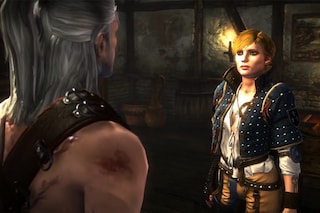
For our study, my colleagues and I focused on two games: Assassin’s Creed and The Witcher. In Assassin’s Creed, 87,1% of characters are male, and male characters perform 90,2% of speaking lines. The Witcher presented similar results: 83,3% of characters are male, and male characters perform 65,4% of speaking lines. We also looked at the types of roles female characters have in these games, and they were primarily stereotypical female roles such as a nurse, cook, mother, caretaker, etc.
First Published: Jul 26, 2022, 10:33
Subscribe Now