India eases investment rules for Chinese firms
Relaxation in restrictions imposed after the 2020 Galwan clash to pave the way for more Chinese FDI into India
By Forbes India
Last Updated: Mar 10, 2026, 20:32 IST2 min
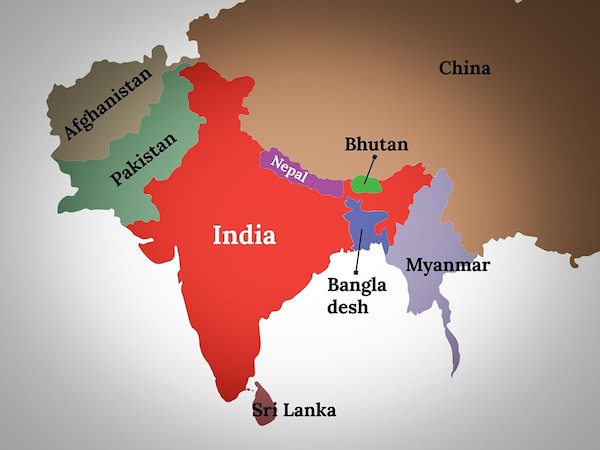
India has relaxed foreign investment rules for Chinese companies, marking a significant shift in its approach towards its largest neighbour and geopolitical rival. The Union Cabinet on Tuesday approved changes to the directive known as Press Note 3, PTI reported, quoting officials familiar with the matter.
The rules, introduced in April 2020, required government approval for foreign direct investment (FDI) from countries sharing a land border with India—China, Bangladesh, Pakistan, Bhutan, Nepal, Myanmar, and Afghanistan. While China was not named, the policy effectively choked Chinese capital, following a deadly border clash between the two neighbours in Galwan, Ladakh, in June 2020.
The current move follows growing internal pressure to bolster the manufacturing sector, which remains heavily dependent on Chinese components. China ranks 23rd among foreign investors in India, accounting for just 0.32 percent of total equity inflows between April 2020 and December 2025.
But even before the policy shift, approvals under Press Note 3 had begun to trickle through. Electronics manufacturer Dixon Technologies recently secured approval for a joint venture with Chinese display component maker HKC, a partnership analysts say could strengthen India’s domestic display manufacturing ecosystem.
At the same time, Walmart-owned Flipkart has completed the relocation of its holding company to India after getting the government’s nod. The ecommerce major needed Press Note 3 approval as Chinese technology company Tencent owns a 5-6 percent stake in Flipkart.
The policy shift aligns with recommendations from the Economic Survey 2024-25. The government’s annual economic report said that India must integrate with Chinese supply chains to succeed as a global export hub. “Choosing FDI as a strategy to benefit from the China-plus-one approach appears more advantageous than relying on trade. This is because China is India’s top import partner, and the trade deficit with China has been growing,” the Survey said.
Relations between India and China, which had soured in 2020, have been moving towards a gradual reset, with statements from both countries to that effect. In March 2025, Chinese Ambassador to India Xu Feihong had said China was willing to work with the Indian side to strengthen practical cooperation in trade and other areas, and to import more Indian products that are well-suited to the Chinese market. “We also welcome more Indian enterprises to cross the Himalayas and seek opportunities for cooperation in China, sharing the dividends of China's development,” Feihong had told Global Times. Prime Minister Narendra Modi visited China in August for the Shanghai Cooperation Organization (SCO) summit, his first visit to the country in seven years. He met Chinese President Xi Jinping on the sidelines of the summit.
The United States imposing 25 percent tariffs on India last year, and later increasing it to 50 percent, added urgency to the shift. In December, the Indian government eased visa rules for Chinese workers.
By easing FDI norms now, New Delhi aims to attract Chinese expertise in high-tech sectors like electronics and semiconductors. The goal is to move beyond simple assembly and build a more robust domestic component ecosystem, even as broader diplomatic tensions persist.
First Published: Mar 10, 2026, 20:38
Subscribe Now