Crafting an artisanal embroidery brand
Aakriti Rawal’s House of Chikankari sells hand-crafted chikankari apparel sourced from a network of artisans who can rely on the business as a steady source of income
Last Updated: Jan 12, 2026, 11:26 IST2 min
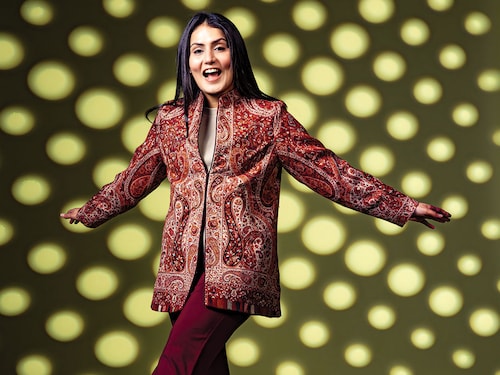
Aakriti Rawal (29)
Founder, House of Chikankari
A conversation with her mother at the height of the pandemic changed Aakriti Rawal’s trajectory. Her mother Poonam Rawal and she were talking about giving some extra embroidery work to their family tailor and the discussion veered towards the craft of chikankari. That discussion led her to turning entrepreneur.
“As a young person, I was fascinated by the handicrafts we have in India and how to make them accessible to younger people,” says Aakriti.
Armed with an MSc in strategic marketing from Imperial College in London, and her keen interest in the field of fashion, Aakriti quit her job and launched House of Chikankari in 2020 with her mother on WhatsApp and Instagram business. At the time she was working with a startup renting out luxury labels, a business which was deeply impacted by the pandemic.
House of Chikankari sells authentic handcrafted chikankari apparel sourced directly from artisans. For Aakriti, it was an opportunity to join the direct-to-consumer brands that had just started sprouting. For her mother, 48 at the time, it was a switch to defining her identity after being a homemaker for decades.
They started out with a personal capital of ₹3 lakh, reaching out to artisan clusters involved in chikankari. The challenge was to ensure that what came in was genuine. “We did make a few mistakes along the way, because when we started out, we had no network. We went to Lucknow to understand what the supply chain was like,” says Aakriti.
Click here for Forbes India 30 Under 30 2026 list
Initially, she adds, it was difficult to differentiate middlemen and resellers from genuine artisans. But their vision was clear: To sell handcrafted chikankari and other apparel sourced from artisans and tailored for a younger audience as well as creating a network of artisans who can rely on the business as a steady source of income.
Today, House of Chikankari works directly with artisan clusters outside of Lucknow, in areas like Barabanki and others.
Their appearance on Shark Tank also helped them make genuine connections. “A good thing that happened was our entry into Shark Tank India which made us a recognisable name. We started getting a lot of inbounds from artisans on Instagram to work with them or meet them. Even now when my mother and I visit Lucknow, people in the trade come to know of it and request meetings and I try to never turn down an in-bound,” says Aakriti. She adds that the artisans depend on the brand as a steady source of household income, and it is important to make sure the business is built sustainably.

With a funding of ₹75 lakh for a 3.5 percent equity from Aman Gupta, co-founder of boAt Lifestyle, and Peyush Bansal, CEO and co-founder of Lenskart, in 2023, House of Chikankari now has an office, a team of 80 people in Delhi and sells primarily through its own website, apart from being available on ecommerce platforms like Myntra and AJIO. The brand ships over 15,000 orders per month with an average order value of ₹3,500.
The company raised a subsequent round of ₹4 crore in January from multiple micro venture capital firms.

The brand has also started working with artisan clusters in Kashmir for its winter wear collection over the last two years, diversifying the crafts on the platform. “We have managed to remain profitable so far, and we plan to close this financial year with ₹60 crore in revenue,” adds Aakriti.
First Published: Jan 12, 2026, 11:32
Subscribe Now(This story appears in the Jan 09, 2026 issue of Forbes India. To visit our Archives, Click here.)