In Fashion: Sandals, scandals, and owning our story
Indian fashion has a clear influence on global trends, but needs to better stake its claim
Last Updated: Mar 06, 2026, 12:36 IST2 min
Metres and metres, rolls and scrolls: New Delhi has furnished us with reams worth of newsprint, flush with reports, opinion and interviews from its recently concluded, power-packed AI summit. As India looks to position itself at the centre of the AI revolution, a question loomed from Forbes India’s edit meetings to power corridors: Can it go from being the consumer of innovative technology to becoming the creator?
As India rises up to the challenge, it got this writer thinking: Perhaps we don’t talk enough about the areas in which India has been the creator of coveted technology. And perhaps we shouldn’t need Prada to ‘borrow’ it to pay it heed.
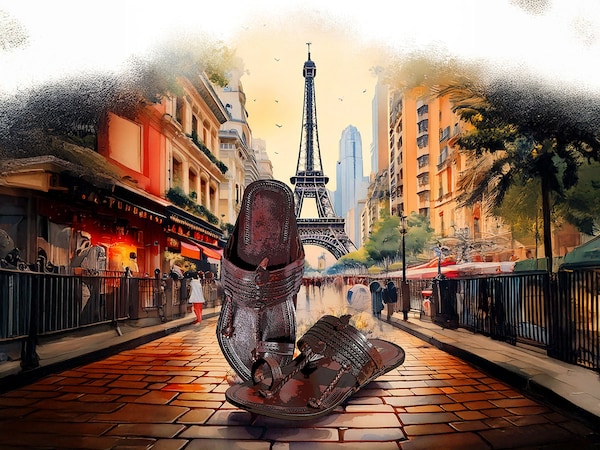
Some context on the sandal scandal: A few months ago, models walked out showcasing the Spring/Summer 2026 Prada collection wearing familiar slippers that loop around the big toe: What they later acknowledged as inspired by the humble Kolhapuri chappal. News reports say that the Prada pairs retail for as much as $930 (nearly ₹85,000), when shops in India sell almost identical pairs for as little as ₹200. There’s a lot to unpack in this story, from plagiarism to cultural appropriation, credit to recourse, more of which you’ll read in the pages to follow.
Indian fashion, as evident from both the controversies and the carpets, is having a moment. But can its artful, meticulous, transitional aesthetic level up to stake its claim on a global stage? Through this package, you’ll see how corporate investment has allowed India’s leading designers to become more audacious with their business plans; they are now setting up stores abroad, being sought-after for big-ticket celebrity looks beyond the south Asian population, becoming mainstays at global fashion weeks including Paris and London.
“Indian craft has always been extraordinary; what has changed is visibility, confidence, and how it’s being presented,” couturier Manish Malhotra tells us. “To truly connect with global consumers, we need to speak a contemporary language while staying rooted in tradition. It’s about respecting craft, but not freezing it in time.”
Owning, and telling, our story is crucial at this juncture. A Fashion Forum report notes that culture enthusiast shoppers account for about 14 percent of all fashion consumers, which means that they actively prefer brands with a cultural dimension. “Cultural storytelling is central to Indian luxury’s globalisation. For international markets, where Indian designers compete with global luxury houses, storytelling becomes the differentiator: Embroidery traditions, textile heritage, and narrative craft are key levers of value, authenticity, and emotional engagement,” Anand Ramanathan, partner, Deloitte India, says.
We’ve been the embroiderers of the world, often without credit, for a long time, and now, with real interest, our own pride and a newfound respect for our age-old crafts, perhaps it’s time to turn the spotlight back on. India’s art, and its artisans, deserve the stage—and the business. Perhaps an India Fashion Impact Summit to dominate the headlines next?
First Published: Mar 06, 2026, 14:15
Subscribe Now(This story appears in the Mar 06, 2026 issue of Forbes India. To visit our Archives, Click here.)