Power dressing: How fashion speaks in politics
The sartorial choices of political leaders in India represent not just their roots, but their political ideologies and personal ambitions
Last Updated: Mar 06, 2026, 16:37 IST10 min
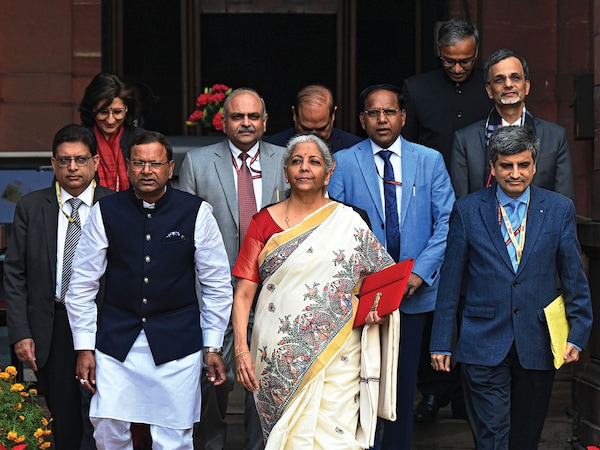
When Nirmala Sitharaman walks into Parliament to present the Union Budget, alongside the discussion on the country’s finances there emerges a parallel banter on the saree the finance minister is wearing. Over the nine Union Budgets that Sitharaman has presented, her choice of attire has come to indicate the government’s focus areas.
In 2019, while presenting her first Budget, which focussed on women-led development, rural infrastructure and small businesses—sectors deeply associated with weaving economies—she wore a Mangalgiri saree from Andhra Pradesh. Sitharaman conveys much more than fashion statements with her choice of sarees.
In 2021, with the economy still reeling under the impact of the pandemic-induced lockdowns, she wore a Pochampalli ikkat from Telangana, while announcing sizeable allocations for textile parks under the PM MITRA scheme. In 2022, her choice of a Bomkai saree from Odisha reflected a Budget that sharpened its focus on infrastructure and the development in India’s eastern states. The symbolism continued in 2025, when she wore a Madhubani saree gifted by Padma Shri awardee Dulari Devi, honouring Bihar’s folk art tradition, as the state headed into elections.
Sitharaman’s choice of sarees reflects what many political leaders have practised over decades in India: Sending unspoken signals to their countrymen and colleagues about their ideologies and intent. Politics in India has always been big on symbolism, and the attire of political leaders is another manifestation of it.
Think khadi. In the years following Independence, politicians wore the fabric that had come to represent India’s rebellion against British imperialism. Wearing garments made of the coarse, undyed, hand-spun, handwoven fabric was as much of a political statement, for both men and women leaders, as it was about forging a connection with the masses who could ill afford any other kind of clothing.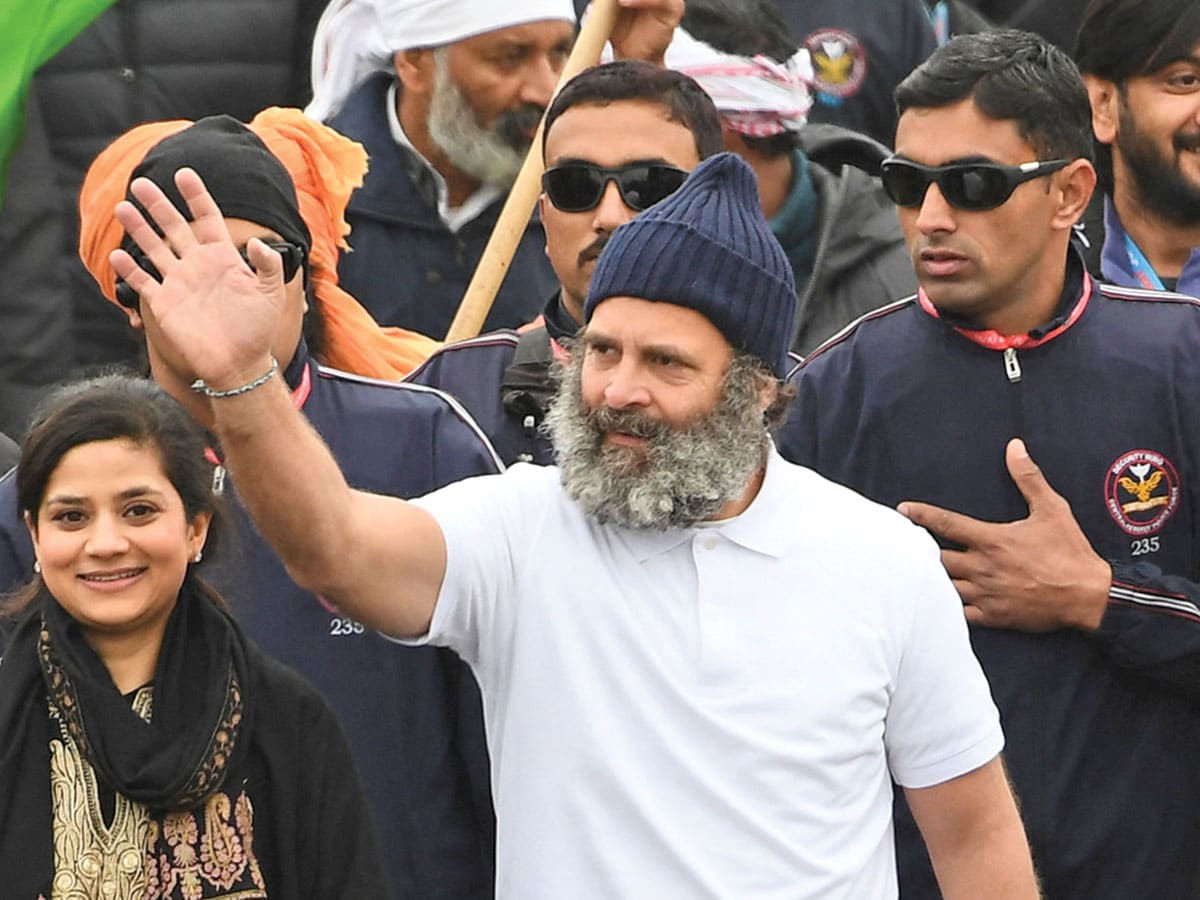
Add to this were trademark fashion accessories, such as Jawaharlal Nehru’s short, sleeveless, Mandarin-collared jacket—it subsequently came to be known as the Nehru Jacket—or Mahatma Gandhi’s white, pointed, khadi cap, which eponymously began to be called the Gandhi topi.
“Gandhian thought and socialist values still inform what we think of political integrity,” says designer Gaurav Jai Gupta. “Fashion, particularly luxury fashion, has often been met with scepticism in political arenas.”
“Political clothing in India has always been intentional,” says Anish Gawande, national spokesperson of the Nationalist Congress Party (NCP)-SP. “Even when it appeared plain or offhand, it wasn’t about personal self-expression as in most cases of fashion. It was about values. People don’t just listen to politicians. They watch them closely. Appearance becomes part of political communication.”
The need to send out these visual cues means politicians can often find themselves walking a tightrope, where they need to strike a balance between conflicting requirements. They must appear authoritative but not intimidating, relatable but not casual, traditional yet contemporary. Dressing aspirationally might run the risk of alienating their vote bank, while dressing too casually can make them appear careless or irresponsible.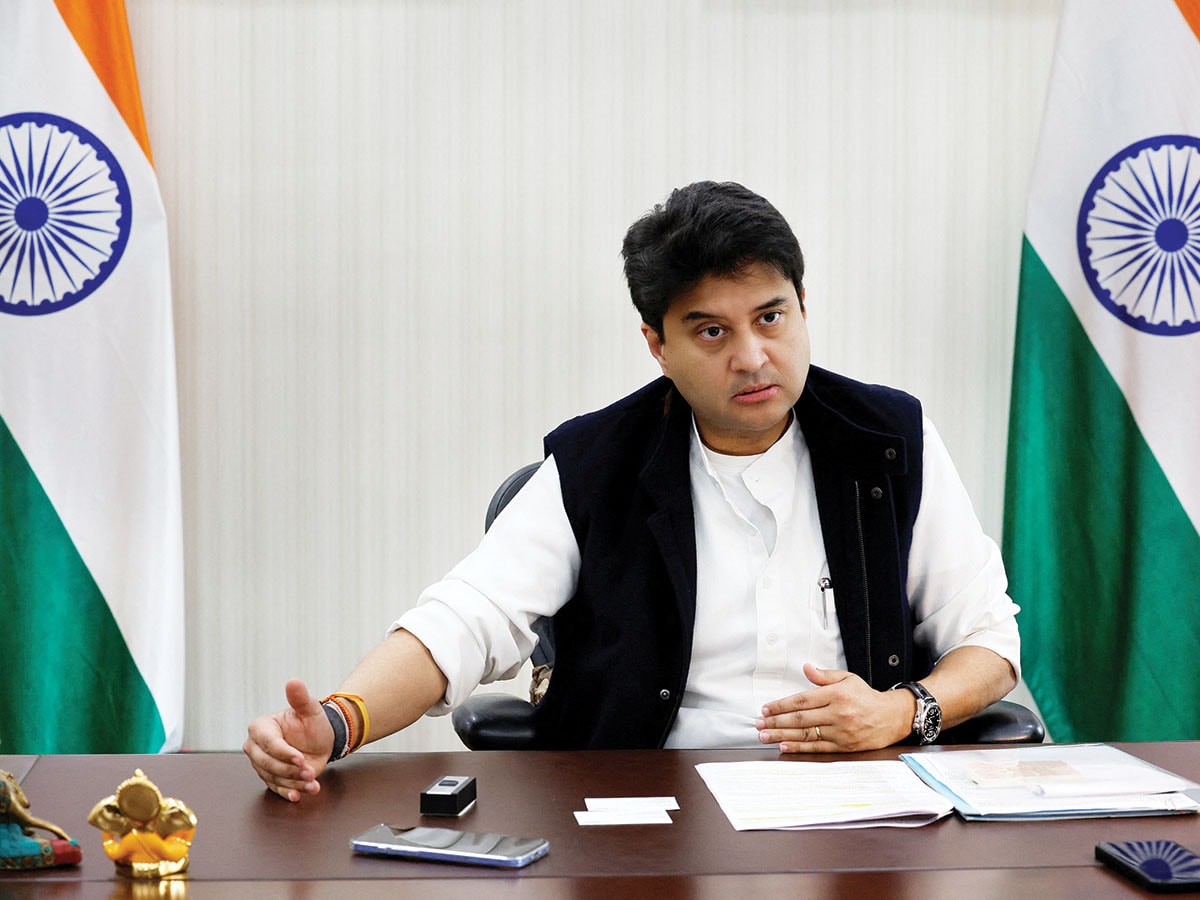
With the antecedents of India’s political dressing being rooted in khadi, it became difficult for political leaders in the following decades to make a sharp departure from it. The need to look austere and humble went well with the concepts of socialism and social welfare, themes that have been constant in Indian politics. Hence, khadi gave way to machine-made fabrics and colour schemes evolved to the next best alternative—the unostentatious, white, kurta and pajama or dhoti for men, and earthy, handloom sarees for women.
Nivedita Saboo, founder and director of Nivedita Saboo Clothing, who has worked with leaders of several political parties and states across India, says, “There was hardly any room to go beyond the white kurta. Going any further than that was being immoderate and a distraction.”
Then came liberalisation in the 1990s, with satellite TV and 24-hour news channels in tow. Politicians began to appear increasingly on screens and not just in static photographs in newspapers and magazines. Live broadcasts from Parliament and TV interviews brought them closer to the masses than ever before. From occasional appearances in public, they were in everyone’s drawing rooms. And then, a few decades later, they became omnipresent on social media—Instagram reels, memes, YouTube channels and X feeds. “With the media glare being so intense today, when you give a byte, how you look and what you wear matter. It sets a trend at the same time,” says Shaina NC, fashion designer and national spokesperson for Shiv Sena.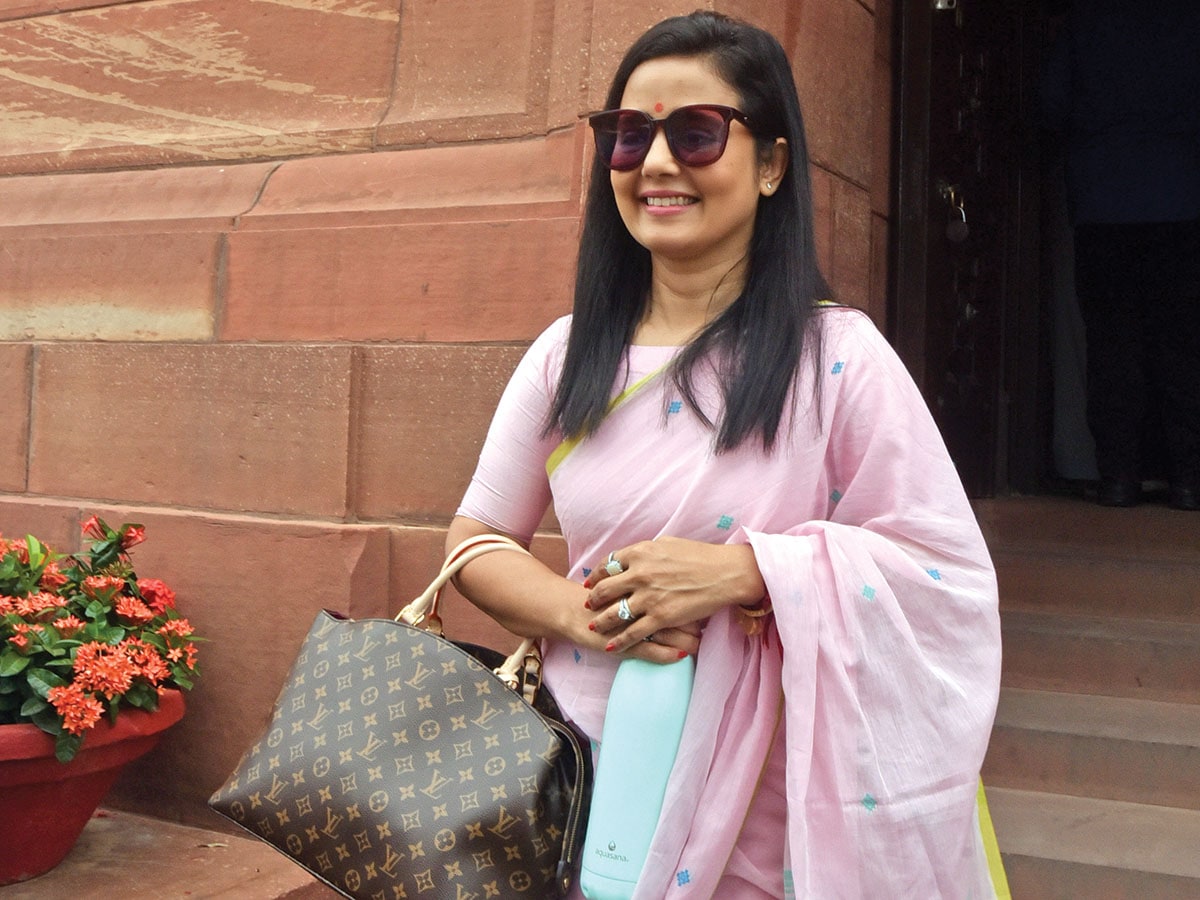
“When politicians get more visible, what they wear also gains more weight,” Saboo explains. “A councillor, MLA or Cabinet minister each carries a different perception with them. Clothing also needs to correlate with responsibility and their journey,”
This shift in perspective is described by Shaina: “Today, you see Indian politicians everywhere, every other day, on the global stage. It’s not about politics here; it’s about diplomacy with your appearance.” For instance, Prime Minister Narendra Modi’s kurtas, bundis and use of colours have come to be closely associated with his brand of politics. “Modi has set a template,” says Shaina. “He showed that you can look sharp and yet remain rooted.”
Jackets, bundis and bandhgalas are structural pieces of clothing: They create presence and steady the posture, making the leader look composed. Avni Agasti, director, Agasti Mode Ltd, a menswear studio in Mumbai, has worked extensively with political leaders, and notes that, among men, there is a move from novelty to repeatability and comfort. “Most male politicians want an outfit they can wear again and again, that moves with them, sits well on camera and doesn’t distract.”
Male political leaders across parties, especially those from younger generations—be it Jyotiraditya Scindia, Sachin Pilot or Raghav Chadha—are sticking to this rough template, of kurtas, bandhgalas and churidars. The tailoring is sharper, the silhouettes slim, reflecting a generational shift towards professionalism, but with Indian textiles. “The aim isn’t to stand out,” explains Gawande. “It’s to stay relatable while still feeling contemporary. You can wear Indian textiles and still look like you belong to this generation.”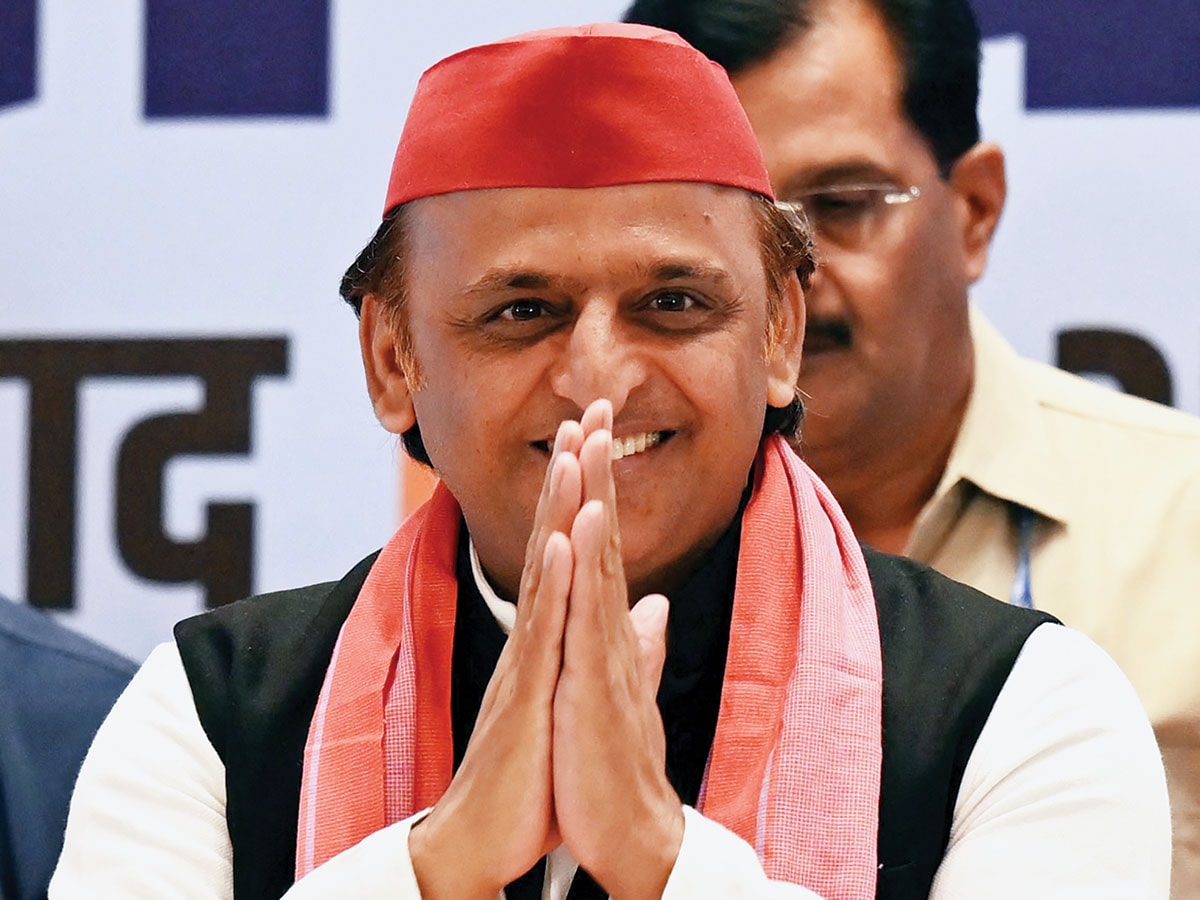
Veteran designer Madhav Agasti, who has designed for many politicians in a career spanning 50 years, says, “I am approached by politicians requesting a specific outfit because they like wearing it and because it is comfortable. Over time, it becomes their distinctive style.”
However, sometimes a change in style can be an effective tool in signalling a transition between generations. For instance, Shiv Sena’s (now Shiv Sena UBT) Bal Thackeray and Uddhav Thackeray were mostly seen in saffron shawls and baggy kurta-pyjama, while Aaditya Thackeray has often opted for slim-fit shirts, chinos and Western jackets, appealing more to younger generations of followers.
Another example is the shift between the politics of Lok Janshakti Party’s Ram Vilas Paswan, who was known for his standard, white kurta-pyjama, and his son Chirag Paswan, now a Member of Parliament, who often sports designer shawls and an omnipresent red tika on his forehead, in support of Hindutva politics.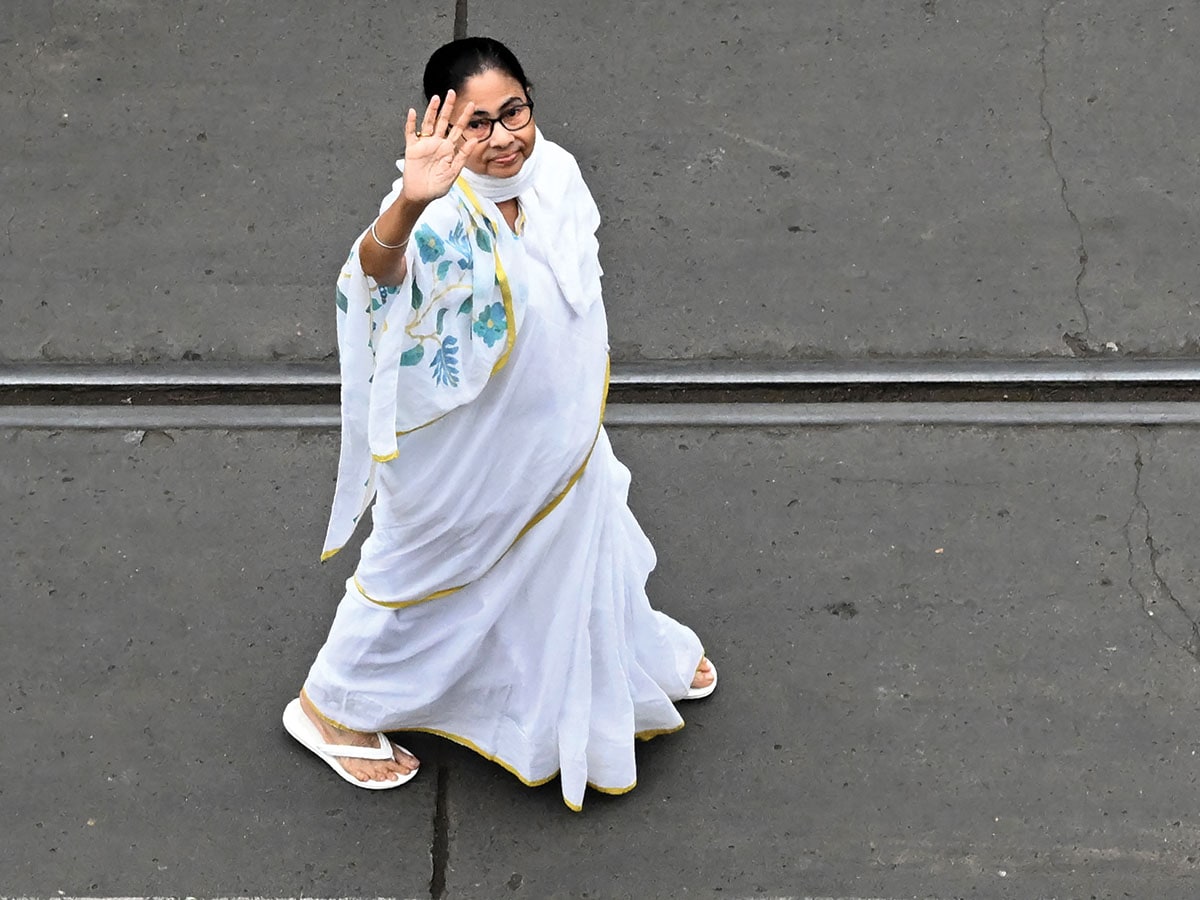
As men’s fashion in politics has evolved, what has remained a constant is the saree. For women, it remains the most accepted attire of authority and cultural familiarity. “Nearly 90 percent of India lives outside the big urban hubs,” Saboo says. “The saree is instantly legible. It needs no explanation. It feels respectable, rooted, trustworthy.”
Through the saree’s origin—every state has its own, rich heritage of traditional weaves, colours and motifs—political leaders convey regionalism, political and individual ideology, and ambitions. Gupta acknowledges the significant role that the saree plays in the politics of fashion: “When politicians wear handloom or regional textiles, especially sarees, they’re giving visibility to that particular craft,” he elaborates.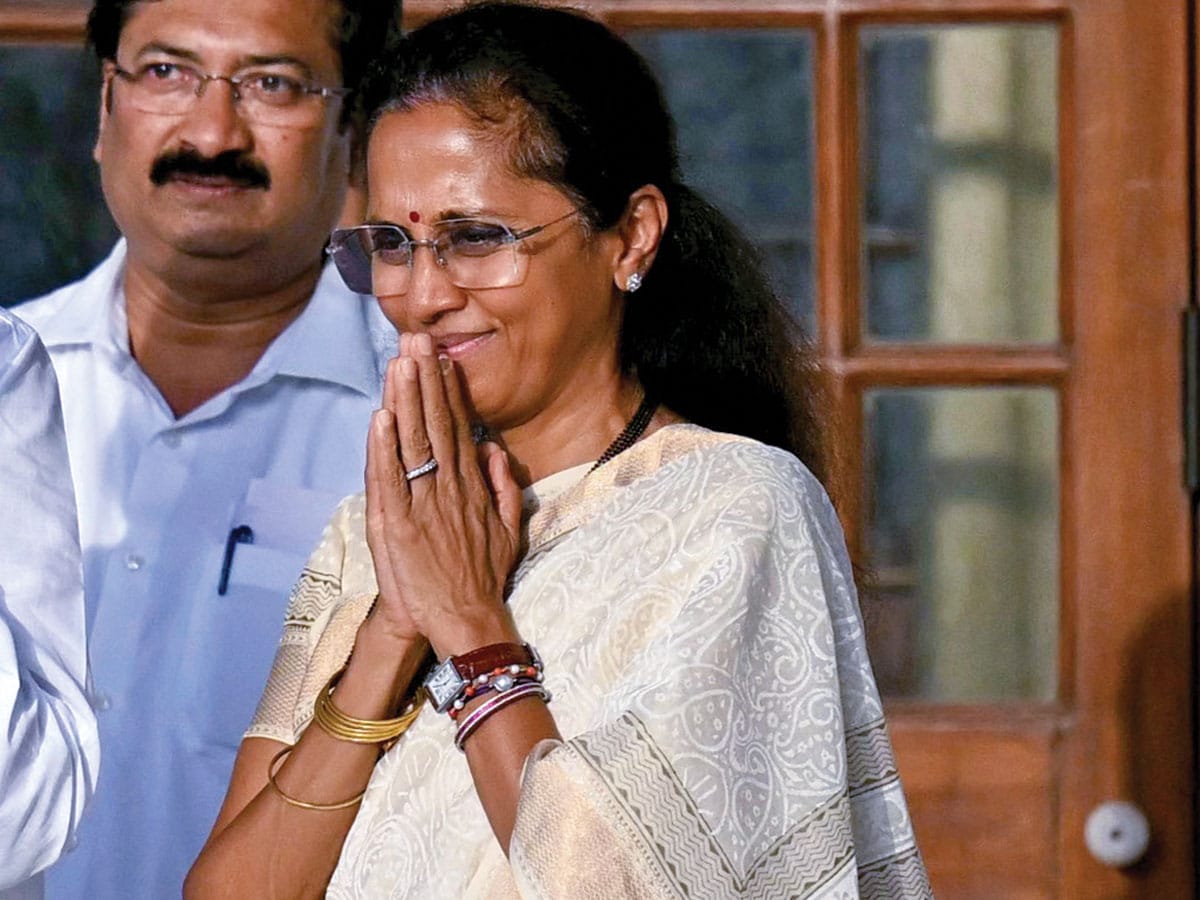
However, the choice of sarees often speaks as loudly as political slogans. Trinamool Congress’ (TMC) Mamata Banerjee’s austere white sarees with mono-chrome borders—made of the simplest of cotton fabrics—paired with rubber slippers are representative of her grassroots-level, anti-elitist politics. In contrast, Supriya Sule of the NCP wears linen or Chanderi weaves in solid, understated colours that project administrative authority, aligning with her parliamentary presence. “Kanimozhi Karunanidhi, the Chennai South MP, is always impeccably dressed in Tamil textiles. She carries herself like the poet she is... with a formidable presence that’s reflected in her clothing,” says Gawande.
Mahua Moitra, although also from TMC, has a persona far removed from that of Banerjee. Representing the party in Parliament, she takes inspiration from West Bengal’s textile heritage, choosing cottons and tussar silks, and often pairing them with luxury handbags, making a sophisticated statement not just about cultural roots but also power dynamics.
The pastel Chikankari and handloom cottons of Samajwadi Party’s (SP) Dimple Yadav reflect an image of accessibility and regional pride within Uttar Pradesh’s political landscape. Meanwhile, Priyanka Gandhi’s cotton sarees—sometimes Bagru block prints or Bengal cottons—with minimal jewellery, resonate Indira Gandhi’s preference for simplicity; not only do they pay homage to legacy political ideologies but also electoral power in the Hindi-speaking belt. As Avani puts it: “You’ll never see her carrying a handbag that shouts any brand. Leaders who come from old political lineage don’t rely on loud logos… their authority doesn’t need that kind of validation.”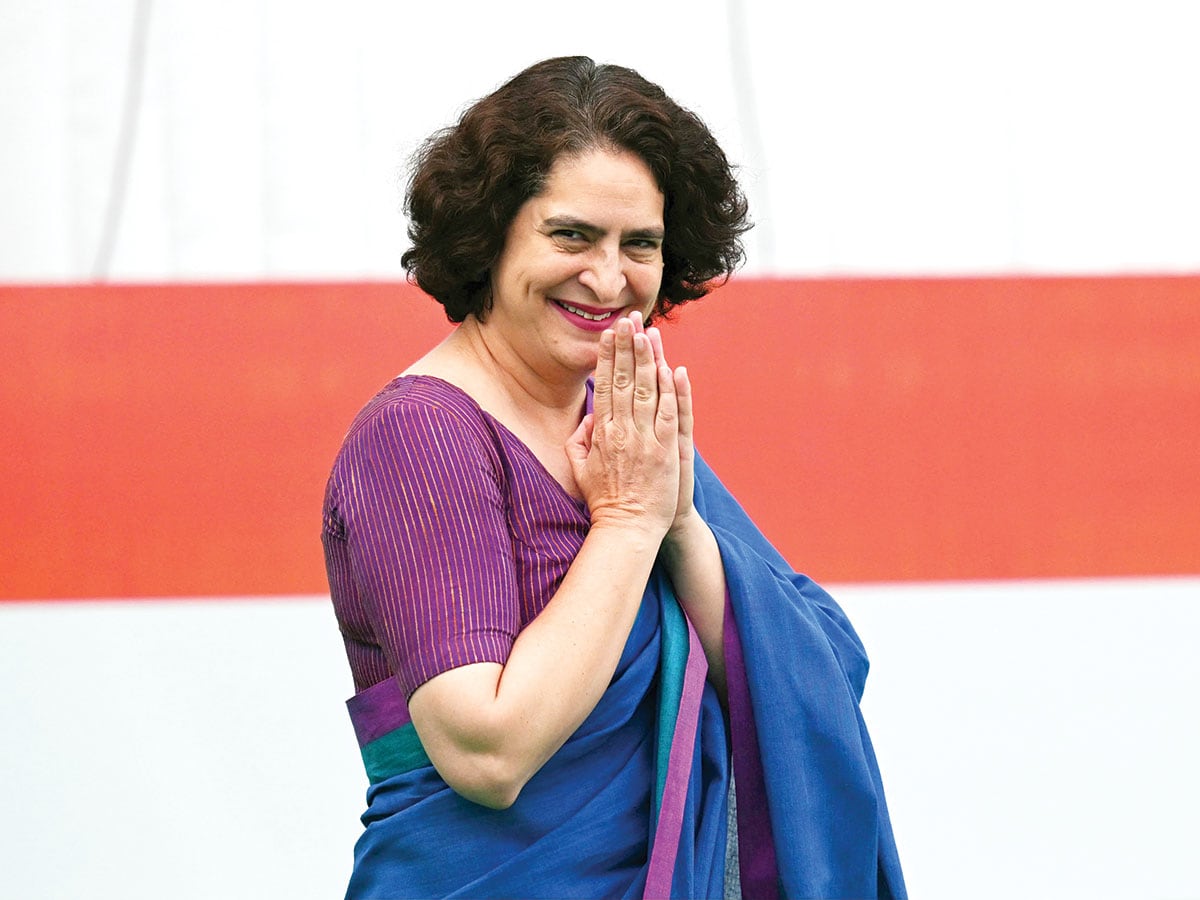
Unconventional clothing has long been a mainstay of rebels and dissenters, and politics is no different. Arvind Kejriwal’s ‘muffler man’ persona—a simple sweater, a checked shirt and a woolen muffler—emerged during his anti-corruption campaigns. It reflected Delhi’s middle-class ordinariness, which Kejriwal’s Aad Aadmi Party batted for, in sharp contrast to the city’s traditional political power blocks. Likewise, SP’s Akhilesh Yadav’s red cap and gamcha act as a badge to highlight the party’s socialist identity, while his tailored jackets exhibit his modernity and youth.
TMC’s Banerjee, too, was once a rebel. As a young member of the Youth Congress in the 1980s and 1990s, she attracted attention as a firebrand party member, positioning herself as a woman standing up against the patriarchy of the CPI(M) establishment. Her choice of attire has remained largely unchanged since then.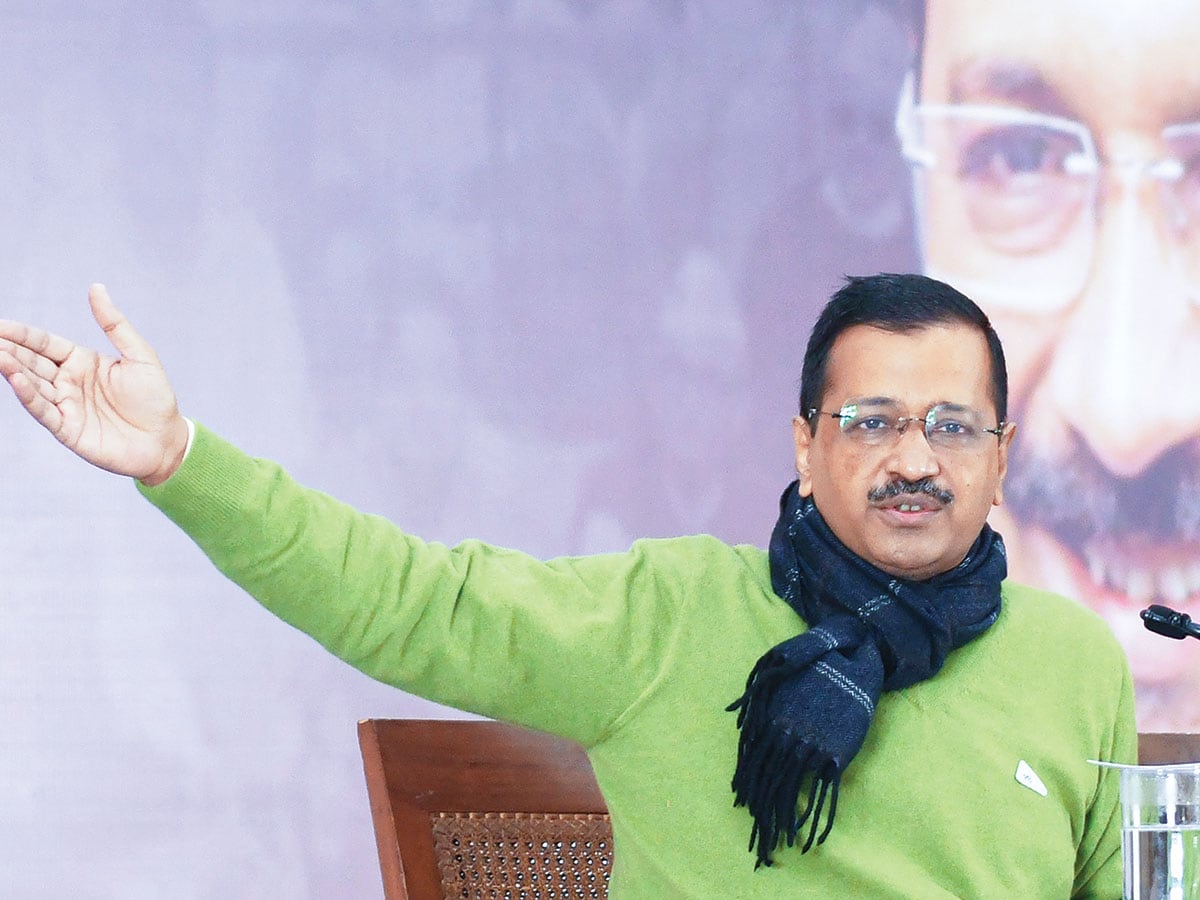
“These leaders have reshaped what’s relatable and accessible in politics,” says Gawande.
An interesting contrast to formal political dressing is Rahul Gandhi’s white T-shirt and trousers, which became widely discussed as an informal statement during his Bharat Jodo Yatra. Shedding his earlier avatar in kurta-pyjamas, he chose to dress like the current, young common man. As his sartorial choice caught the media’s attention, he explained its significance in a video released by the Congress: “Transparency and simplicity. I don’t care much about clothes. I prefer it to be simple.”
Gawande decodes Gandhi’s look as an attempt to project a young, aspirational image, to develop a connection with a middle class that wants progress, development and a future shaped by global influences. It also reflects his physical fitness, showing his youthfulness. “So, clothing can carry messages, whether intentional or not.”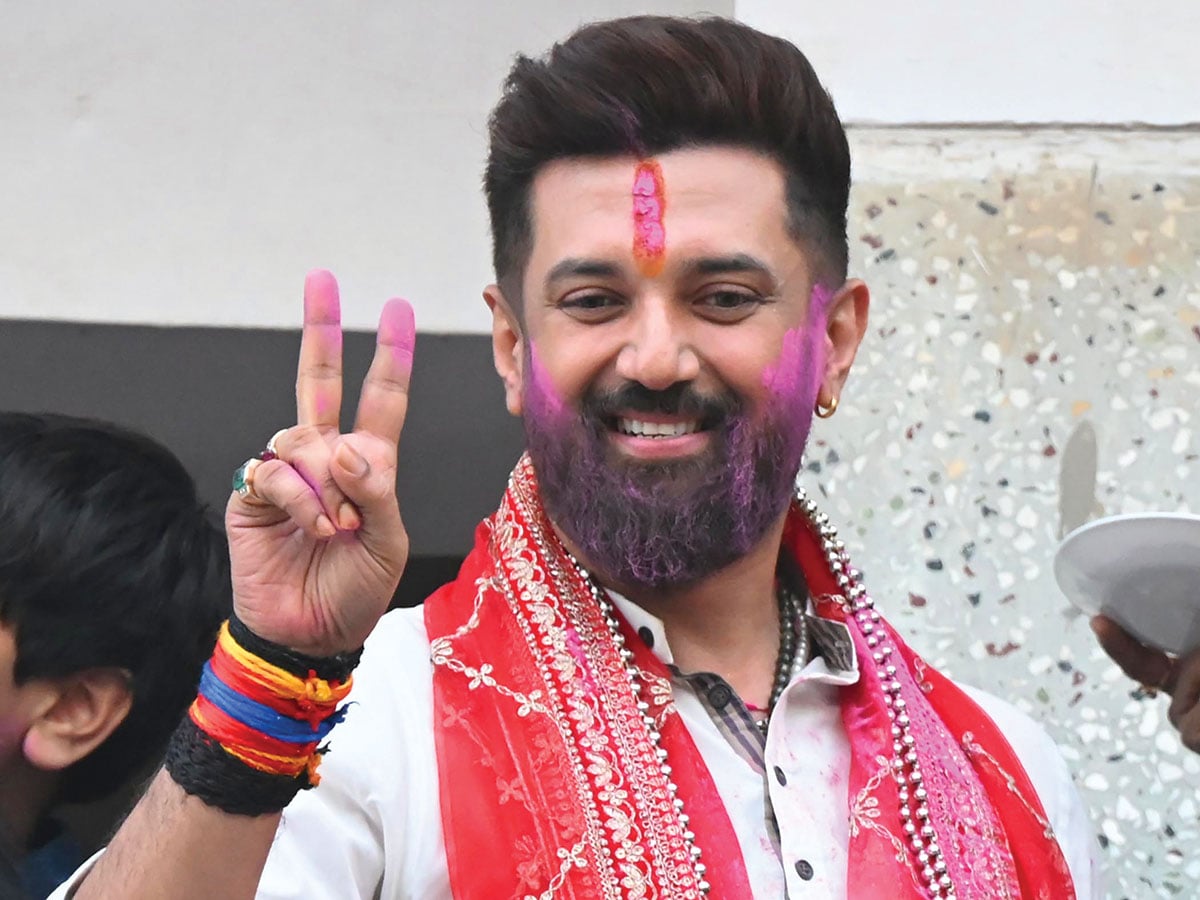
Regardless of the choice of attire, it is consistency that builds a political leader’s image over time. Visual consistency leaves its mark in people’s minds, and an outfit becomes a cue that signals identity. “About 80 percent of a leader’s look stays the same,” says Saboo. “Your unique element makes you stand out. That consistency builds trust. People feel they know you.”
“In politics, novelty can actually work against you,” she says. “When a leader keeps changing how they look, the attention shifts to the clothes. But when the look stays steady, people start focusing on what’s being said. Consistency creates recognition and recognition builds trust.” However, Shaina, adds that “clothing won’t command trust on its own. But when it’s in sync with your work, it amplifies your message.”
First Published: Mar 06, 2026, 16:54
Subscribe Now(This story appears in the Mar 06, 2026 issue of Forbes India. To visit our Archives, Click here.)