Budget 2026–27 Full Speech & Highlights: Speech concludes in 85 minutes
The Union Budget for 2026-27 will be tabled in Parliament at 11 am today, with expectations centred on growth, fiscal consolidation and support for jobs and consumption
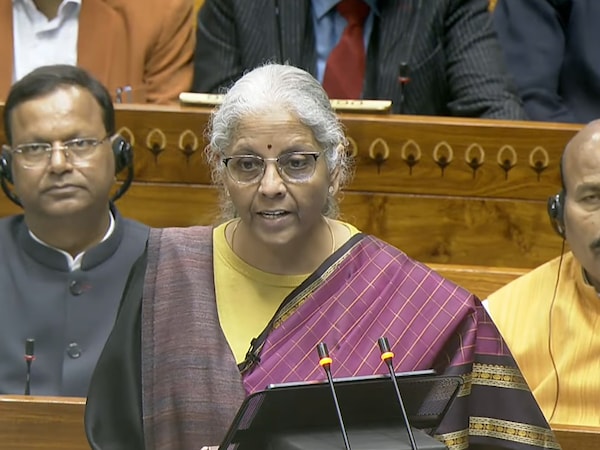
Finance Minister Nirmala Sitharaman will present the Union Budget for 2026-27 in Parliament at 11 am today, marking her ninth consecutive Budget.
The Budget is expected to outline the Centre’s priorities for the coming financial year, including measures to sustain economic momentum, boost private investment and create jobs, while keeping a close watch on the fiscal deficit.
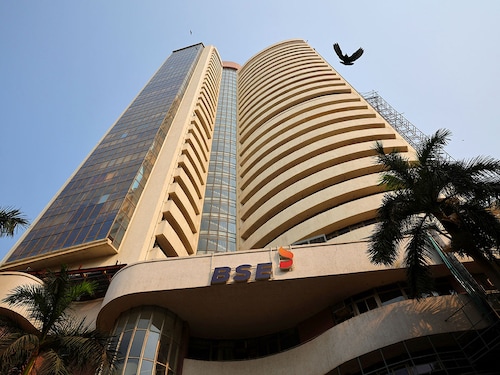
Markets will remain open today despite Budget Day falling on a Sunday, with both the NSE and BSE operating during regular trading hours. Investors are heading into the Budget with largely muted expectations, seeking policy clarity rather than large fiscal giveaways. Key areas of focus include capital expenditure allocations for FY27, income tax policy, measures to boost export competitiveness, and the government’s approach to foreign trade diversification.
Participants will also track whether the Centre offers any relief in long-term capital gains taxation and whether it refrains from hiking transaction-related taxes. Sectoral allocations, particularly for infrastructure, manufacturing and exports, will be closely observed.
India’s economy has remained resilient despite external pressures, including trade disruptions and higher tariffs imposed by the US. Growth has been supported by public infrastructure spending and earlier tax cuts that lifted consumption.
Ahead of the Budget, Prime Minister Narendra Modi said the focus should be on “reform, perform and transform”, with an emphasis on long-term solutions.
This live blog will track all key developments, announcements and reactions as the Budget unfolds.
PAST UPDATES
February 02, 2026 19:15 IST
South and west states win as 16th Finance Commission rewards GDP growth
Southern and western states emerged as the primary beneficiaries after the government accepted the 16th Finance Commission’s recommendation to retain the vertical devolution share at 41 percent.
Karnataka, Kerala lead gains; populous northern states see shares decline in FY26-31 devolution share
While India’s focus on the debt-to-GDP ratio, a key repayment indicator, aligns with international benchmarks, analysts suggest the 50 percent target is attainable, provided the fiscal deficit is trimmed to 3 percent and nominal GDP growth remains between 11 and 12 percent, particularly following the GDP base year revision. Read more
February 02, 2026 18:01 IST
Indian markets rebound after budget shock
Indian equity markets staged a strong rebound on Monday, clawing back a substantial portion of the losses from the brutal sell-off a day earlier. After an unnerving Budget Day session on Sunday that triggered panic across Dalal Street, investor confidence returned, pushing key indices higher through the day. Read more
February 02, 2026 17:33 IST
Defence spending gets 15 percent lift, touches 2 percent of GDP
The Union Budget for 2026-27 raised India’s defence allocation to Rs7.85 lakh crore, a 15.19 percent increase over the previous year’s Budget estimate of Rs6.81 lakh crore. The allocation is pegged at 2 percent of the country’s projected gross domestic product (GDP), the defence ministry said. The allocation did not feature in Finance Minister Nirmala Sitharaman’s Budget speech, which focussed largely on growth, infrastructure and manufacturing. Read more
February 02, 2026 15:12 IST
What do the budget numbers say?
Union Budget 2026 is centered around debt discipline, new sectors, and domestic capabilities in the context of high borrowings and an uncertain global economy. Read more